

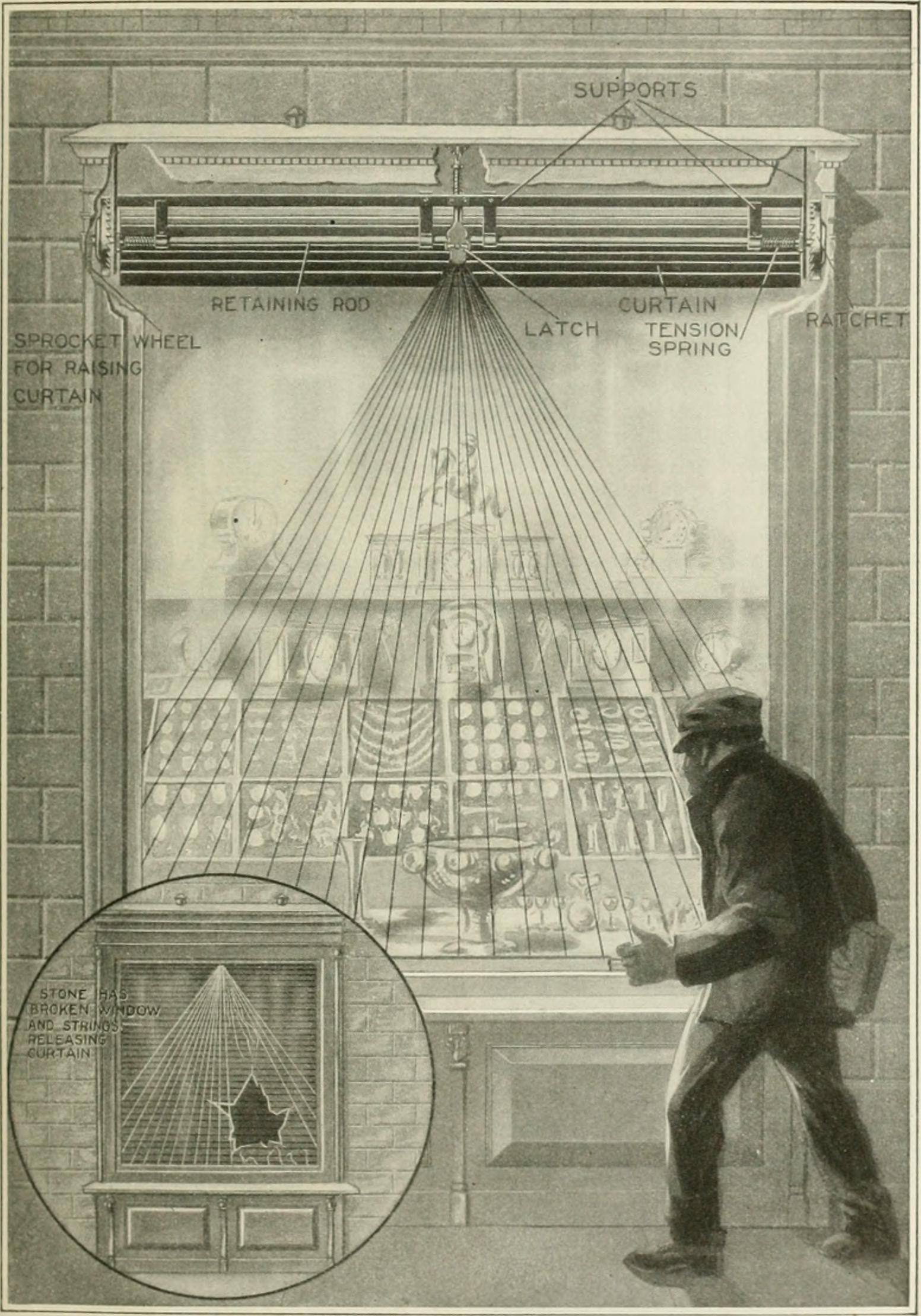

Security window film consists of multiple polyester layers bonded with industrial adhesives that absorb impact and keep shattered glass contained within the frame. When force strikes your window, the film redistributes energy across the surface, transforming broken glass into a flexible membrane rather than dangerous flying shards. You’ll need this safeguard if your property faces break-in risks, severe weather threats, or blast hazards, and understanding thickness options and placement strategies will help you maximize your investment.
What Is Security Window Film?
When evaluating vulnerabilities in building protection, glass frequently represents the most vulnerable point of access. Safeguard window film addresses this weakness through a specialized poly-based layer you apply directly to existing glass surfaces. This glass safeguard protection film consists of multiple microscopic layers of polyester bonded with industrial adhesives, creating a transparent yet resilient barrier.
Unlike standard window tinting, security film for windows prioritizes impact resistance over aesthetic modification. You’ll find thicknesses ranging from 4 mils to 21 mils, with thicker applications delivering greater protection levels. The film doesn’t render glass unbreakable, it holds shattered fragments together upon impact, reducing hazardous scatter and delaying forced entry attempts. This retrofit solution maintains optical clarity while transforming your existing windows into reinforced barriers against intrusion, accidents, and environmental threats.
For a closer look at how this protection performs in real-world use, see how anti-shatter window film works.
How Security Film Keeps Shattered Glass in Place
When impact occurs, the film’s proprietary polyester layers initiate impact absorption, redistributing force across the glass surface. You won’t prevent breakage, that’s not the objective. Instead, the glass cracks while remaining functional as a barrier.
The adhesive bonding layer proves critical here. Specialized adhesives keep fragmented glass firmly attached to the film, resisting degradation from UV exposure and environmental factors. This bond maintains integrity even under repeated blows. The glass retention mechanism transforms your shattered window into a flexible “spiderweb” membrane, shards stay contained within the frame rather than exploding inward, buying you critical response time. Research indicates that 60% of burglars abandon their break-in attempt if entry takes longer than four minutes, making this delay a powerful deterrent.
Security Film Types: Thickness, Tint, and UV Options
Safeguard film thickness directly correlates with protective capability. Window security film ranges from 2–4 mil for basic safety applications to 15+ mil for specialized high-threat environments. For residential settings, 6–8 mil ratings deliver medium-strength protection that delays forced entry attempts. Commercial properties facing elevated risks benefit from 10–14 mil options. Beyond thickness, you’ll encounter tint and UV variations, clear films at 6 mil prioritize visibility, while tinted options in the 8–15 mil range combine security with privacy and solar control.
Not sure whether you need security film or safety film? Read our guide: Security Film vs Safety Film: What’s the Difference?
What Security Window Film Protects Against
Break-in window film creates resistance against forced entry by holding shattered glass together, delaying intruders using hammers or crowbars. Safeguard film for homes reduces injury risks from accidental impacts. Safeguard film for commercial buildings addresses vandalism, storefront smash-and-grabs, and severe weather damage. High-risk environments benefit from blast-resistant applications that prevent glass projection during explosions.
Learn more: Does Security Window Film Stop Break-Ins?
Where Security Film Works Best
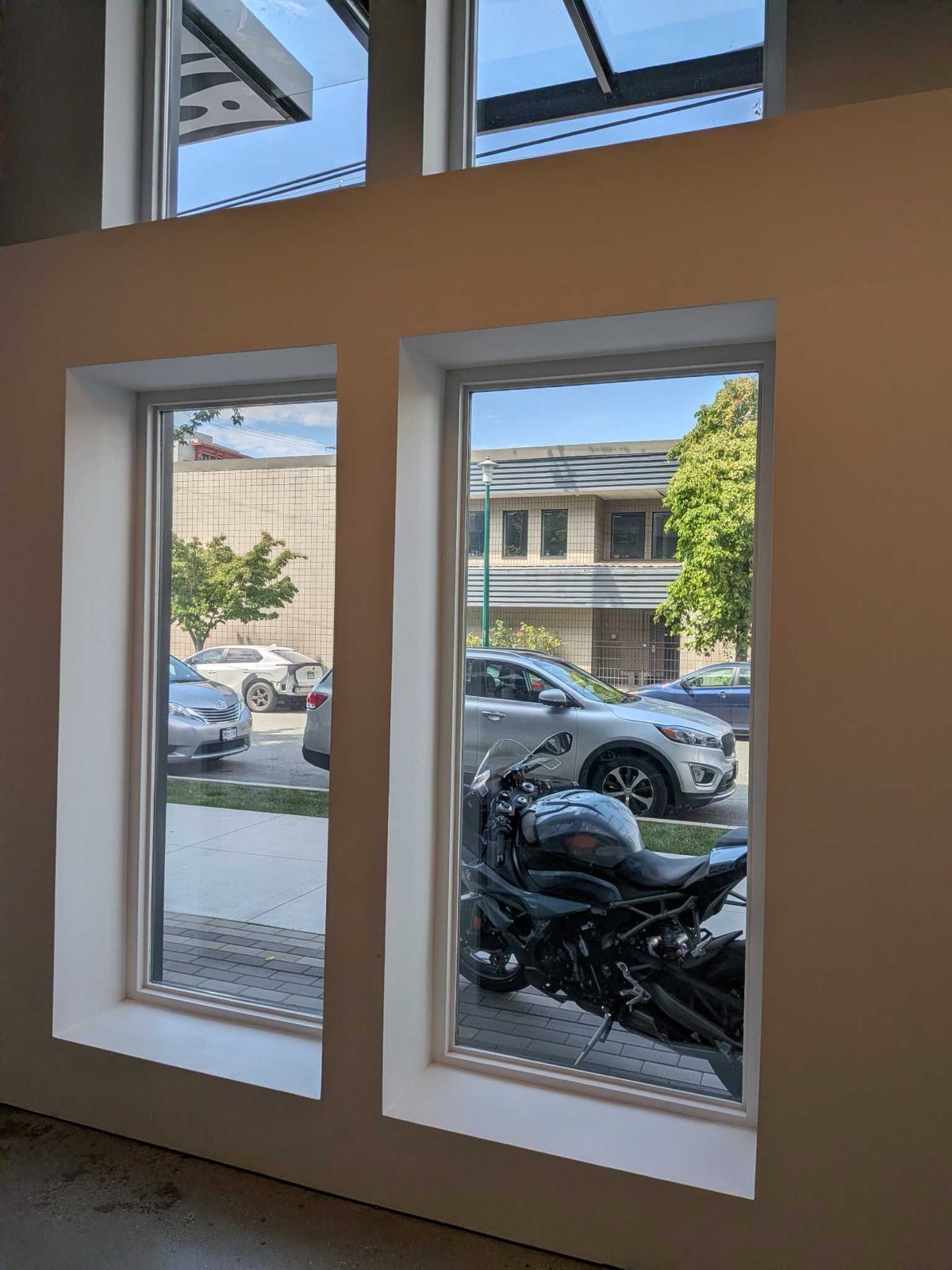
Location determines whether protective window film delivers meaningful protection or wastes your investment. Ground-floor retail spaces face the highest smash-and-grab risk. Commercial buildings benefit most from defense film for office windows, combining energy cost reductions with UV protection and anti-glare properties. Residential applications work best as burglary deterrent window film on ground-floor entry points. Educational facilities prioritize first-floor windows and entrances. Government buildings and data centers require maximum 15-mil films for blast protection.
Wondering if it’s worth the investment? Read: Is Security Film Worth It for Homes vs Storefronts?
Does Glass Door Film Stop Intruders?
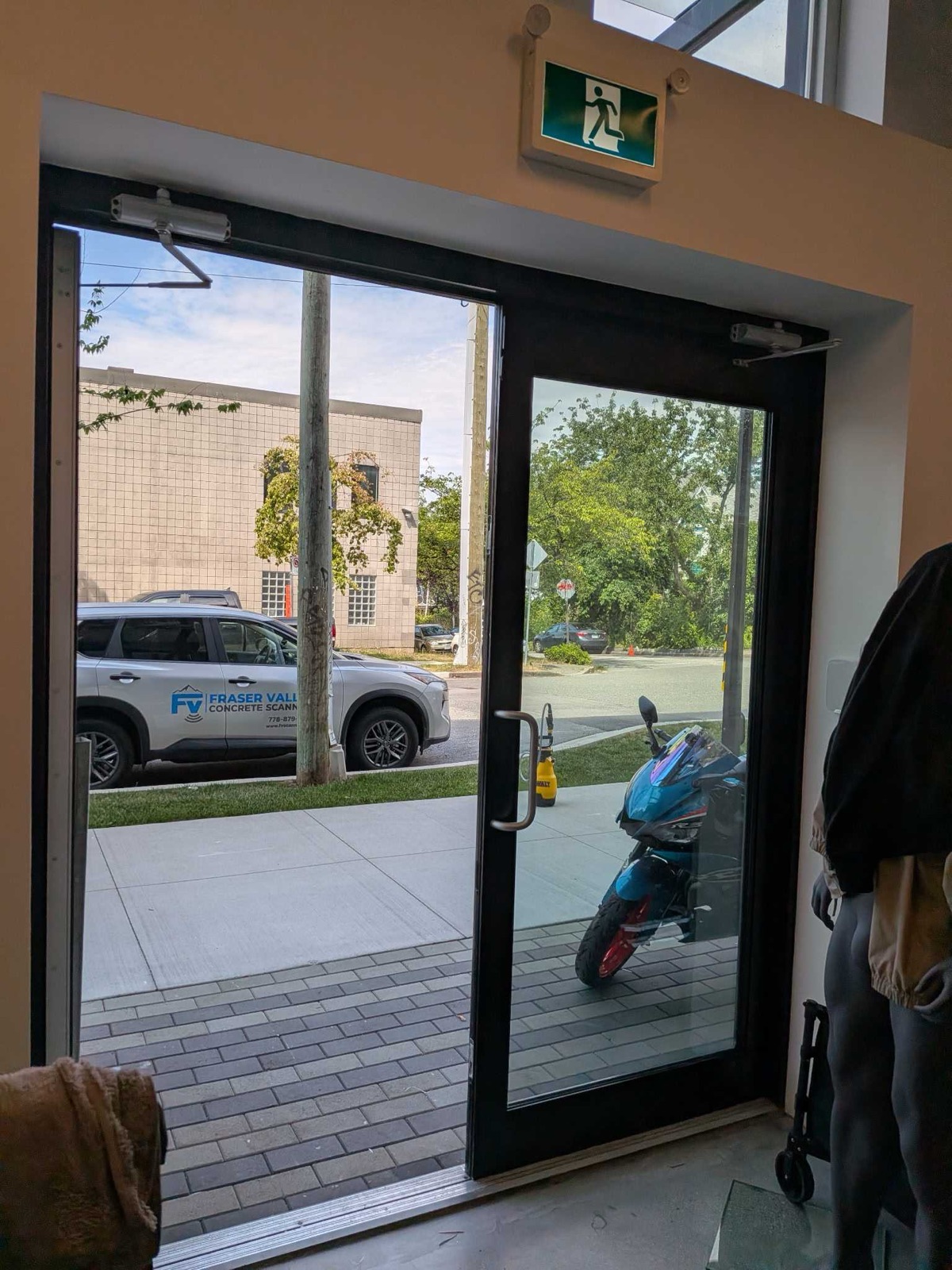
Glass door film does not prevent glass from breaking, but it holds shattered glass in the door frame, eliminating the quick entry point that intruders depend on. Without film, a single blow to a glass-panel door collapses the pane in seconds, the intruder reaches through, turns the deadbolt, and is inside before any alarm can respond. With 8 to 12 mil security film installed, the glass fractures but stays intact as a barrier, forcing repeated strikes that are loud, visible, and time-consuming. Research shows 60% of break-in attempts are abandoned when entry takes longer than four minutes, door film consistently produces that delay.
Glass-panel entry doors are a priority target for a specific reason: the glass typically sits adjacent to the lock cylinder. Breaking the pane allows an intruder to reach in and rotate the deadbolt from the inside without any additional tools, bypassing even a high-quality lock entirely. Security film applied edge-to-edge, ideally with an attachment system that bonds the film directly to the door frame, removes this technique by keeping the fractured glass in place under repeated impact. For residential glass-panel doors, 8 mil film is the standard specification. For commercial glass entries in higher-risk locations (retail, dispensaries, financial offices), 12 mil film paired with an attachment system delivers the highest available retrofit protection.
Does Your Property Need Security Window Film?
How effectively does safeguard window film protect your specific property? Your vulnerability profile determines whether impact resistant window film delivers measurable ROI. Assess these critical risk indicators:
- Ground-level glass exposure, properties with accessible windows face elevated break-in risk that window film to prevent glass shattering directly mitigates.
- High-crime location, urban areas with documented theft patterns justify extensive film coverage.
- Valuable assets on-site, equipment, inventory, or server rooms warrant reinforced access point protection.
- Limited natural surveillance, standalone structures without neighboring oversight benefit greatly from security film.
Security window film is one of the smartest investments you can make for your property. At Ecovision Window Films, we assess your property, recommend the right solution, and install it with precision, whether it’s for a family home, storefront, healthcare facility, or government building. Call (236) 862-0052 today.
More in the Security Window Film Series
- What Is Security Film for Windows?
- Does Security Window Film Stop Break-Ins?
- Is Security Film Worth It for Homes vs Storefronts?
- Security Film vs Safety Film: What’s the Difference?
- Is Shatter Resistant Film the Same as Safety Film? (BC Building Code)
Also explore: Residential Window Film Benefits | How Long Does Window Film Last? | How to Remove Window Film Safely
Industry Reference: The International Window Film Association (IWFA) sets standards for security and safety window film products and certifies professional installers across North America.