
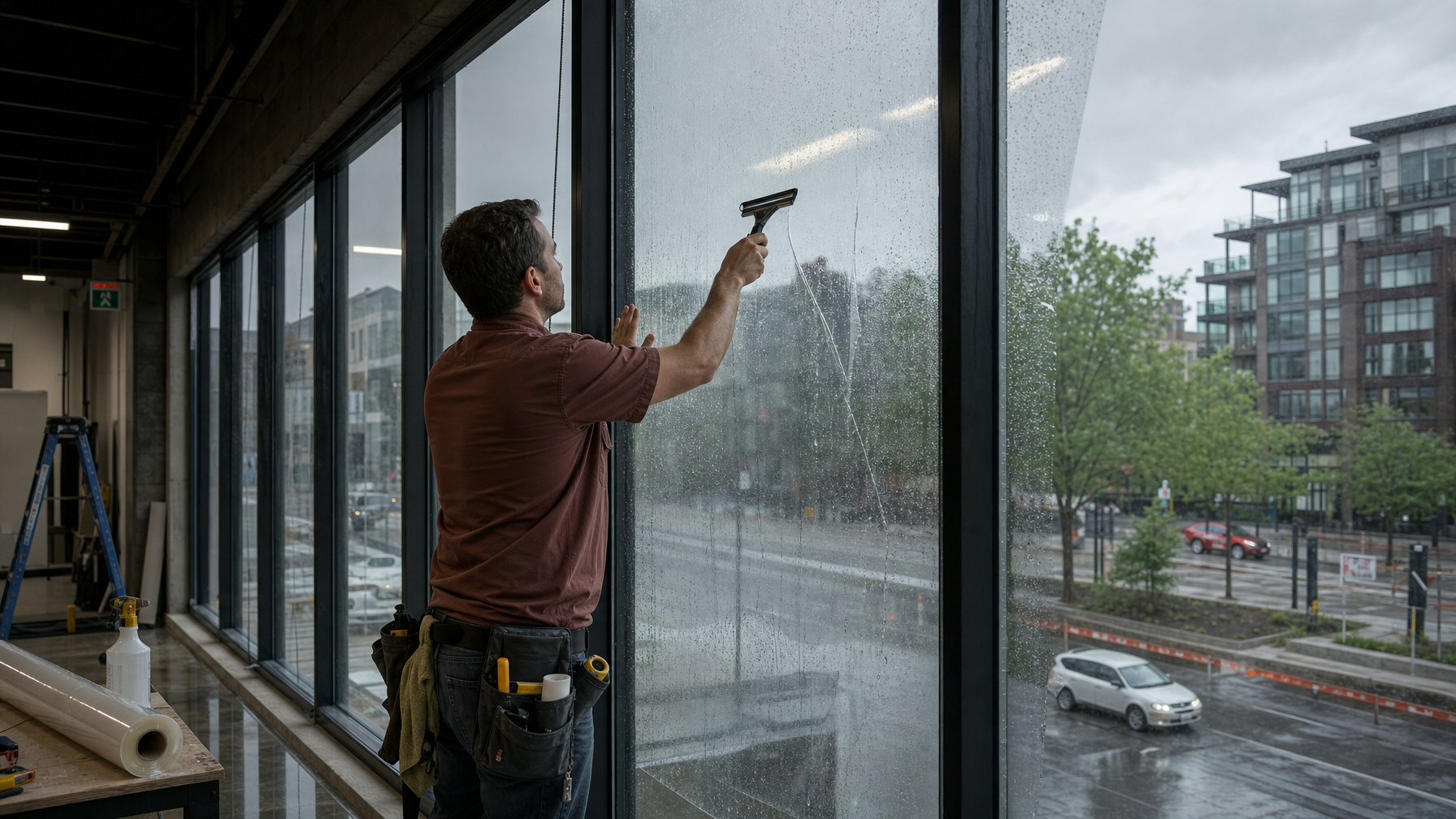
Window film on your house windows typically lasts 5 to 25 years, depending on the type you’ve installed. Dyed films fade within 5, 10 years, while carbon films hold up for 15, 20 years with minimal color shift. Ceramic films deliver the longest performance at 20, 25 years when properly installed. Your film’s actual lifespan depends heavily on window orientation, local climate conditions, and maintenance habits.
How Long Does Window Film Last? Quick Answer by Type
Ceramic films deliver the longest window film lifespan at 20 to 25 years with proper installation. They won’t fade or discolor, making them ideal for high-sun areas.
Carbon films last 15 to 20 years with minimal color shift, offering reliable residential performance.
Dyed films provide the shortest durability at 5 to 10 years. They’re budget-friendly but fade to purple and lose effectiveness faster.
Security films vary, interior-applied versions last 25+ years, while exterior clear films max out around 8 years.
Solar and heat control films average 10 to 15 years for interior applications.
Why Installation Quality Matters More Than Film Type
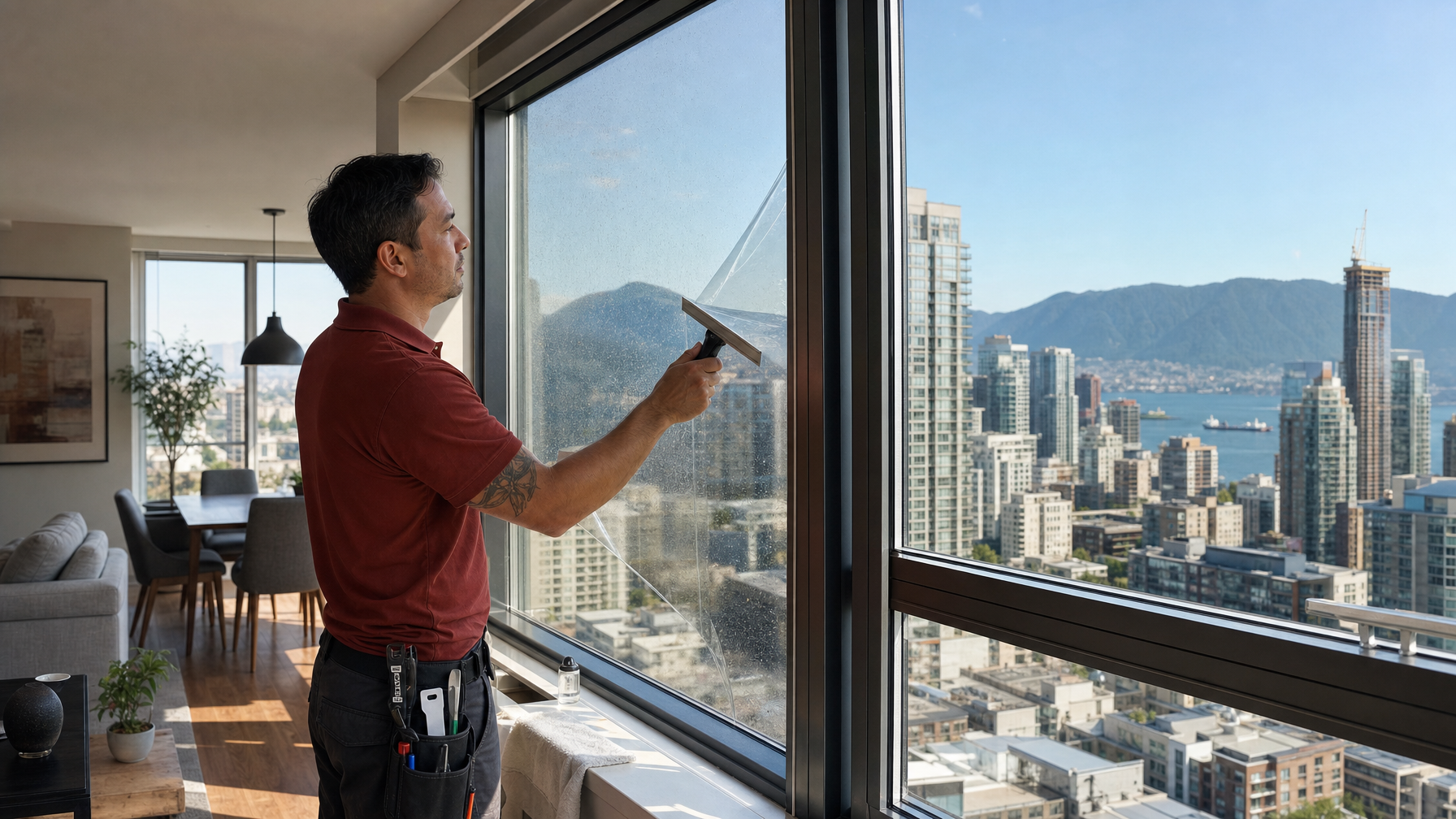
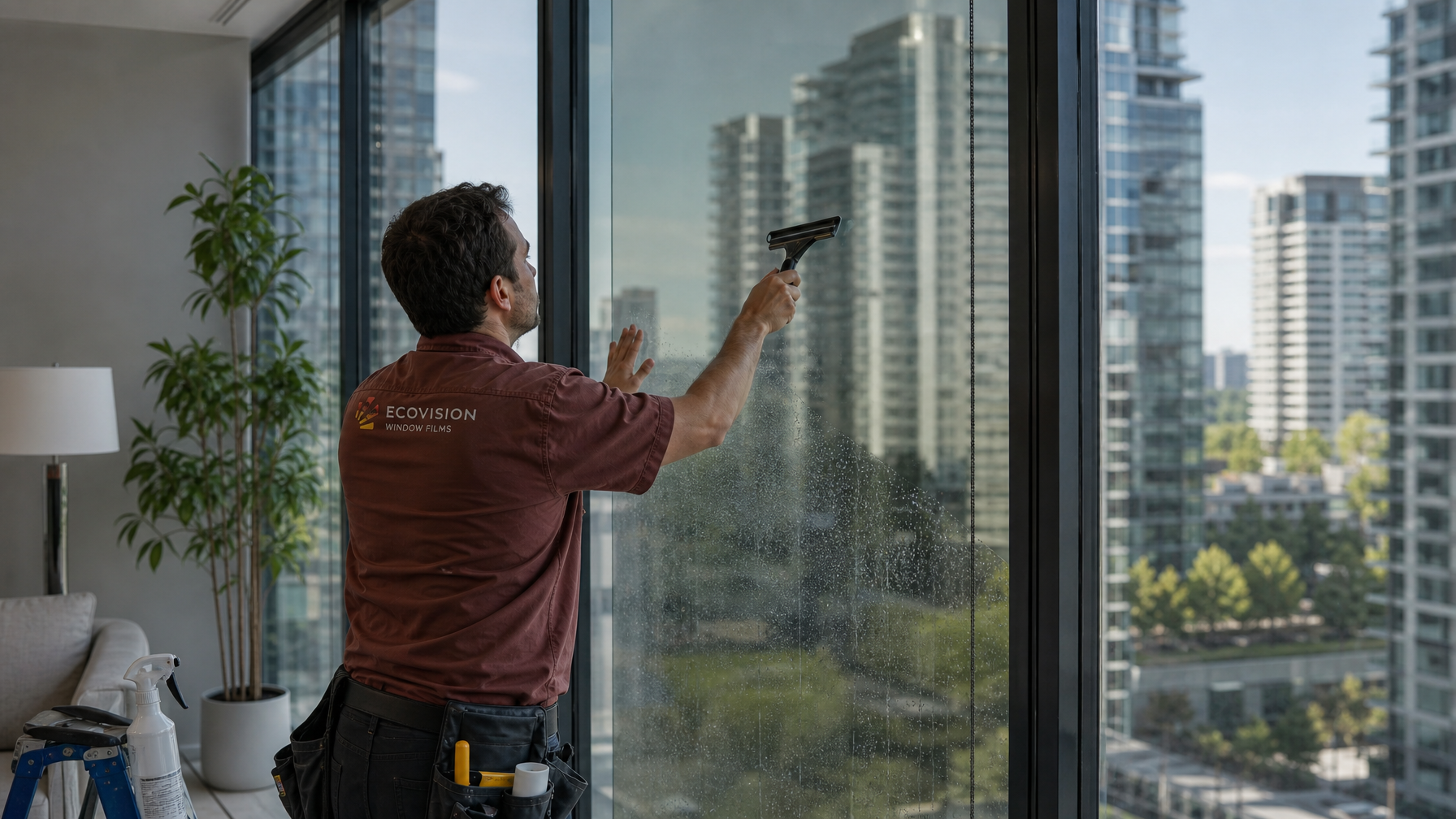
Even the highest-quality ceramic film with a 25-year rating will fail within months if installed incorrectly. Professional installers undergo extensive training to achieve bubble-free applications with complete surface adhesion. They clean glass thoroughly, eliminate dust particles, and apply film during ideal weather conditions, factors that directly impact adhesive bond strength.
Professionals also match film types to your specific environmental conditions. They assess window orientation, sunlight exposure, and climate factors to recommend products that’ll actually last their rated lifespan on your windows.
How Sun Exposure and Window Direction Affect Lifespan
Your window’s compass orientation directly determines how long its film will last. South-facing windows endure the highest UV intensity, reducing window film lifespan to 10, 15 years. West-facing installations face intense afternoon heat stress. North-facing windows deliver the longest performance, often 15, 20+ years, due to minimal direct sunlight.
5 Maintenance Habits That Add Years to Your Film
- Clean with microfiber cloths only, paper towels cause micro-scratches
- Avoid ammonia-based or harsh chemical cleaners that degrade the adhesive
- Protect film edges from lifting by cleaning parallel to cut lines
- Control humidity near film-glass interfaces with dehumidifiers in moisture-prone areas
- Schedule annual professional inspections to catch early warning signs
Warning Signs Your Window Film Needs Replacement
Watch for bubbles larger than 3mm, edges lifting or curling at corners, and purple or amber discoloration, all of which indicate UV protection loss. You’ll also notice reduced performance through increased indoor heat, intensified glare, and furniture fading faster than before. These defects can’t be repaired, they signal it’s time for complete film replacement.
Industry Reference: Natural Resources Canada (NRCan) provides research and guidance on energy-efficient window technologies, including solar control films, for Canadian homes and commercial buildings.