
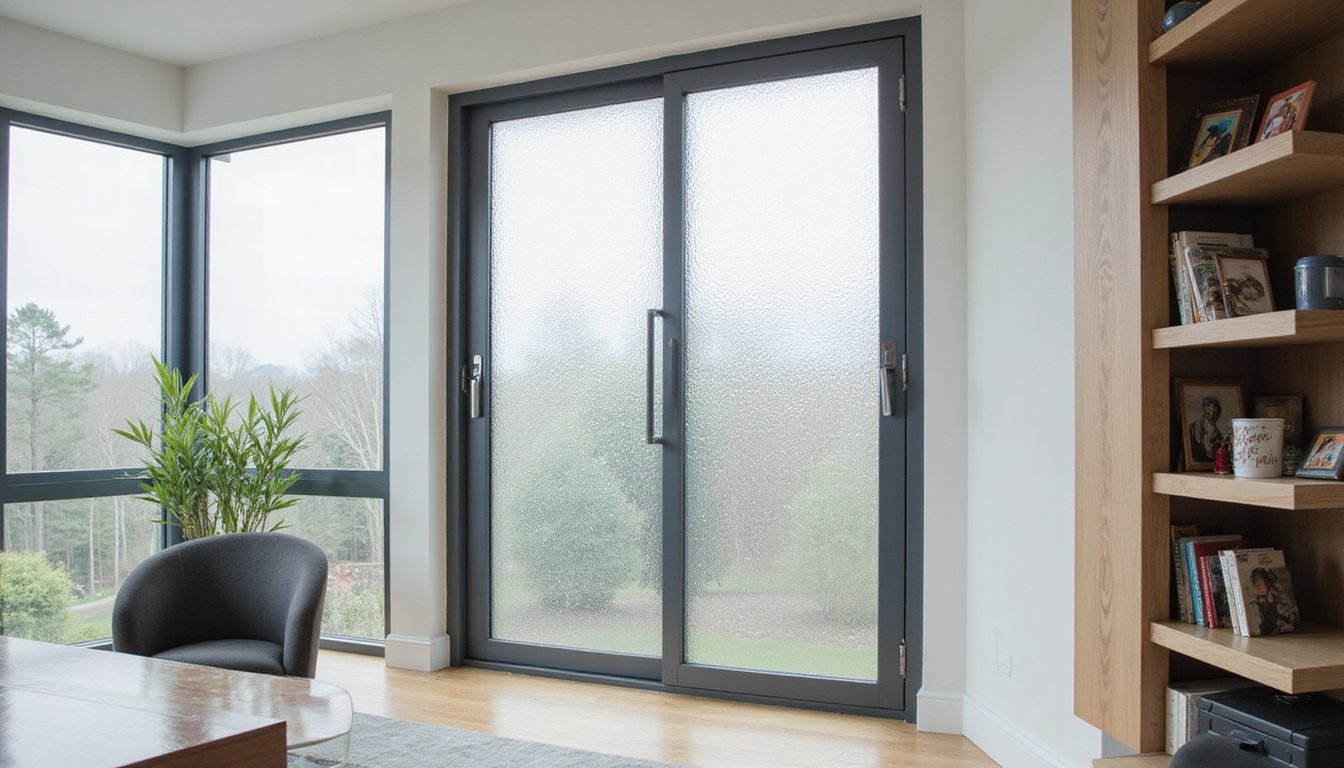
Protective film’s worth depends entirely on your threat profile. For homes, you’ll want 8 mil minimum to deter break-ins through ground-floor windows, while storefronts typically need 10-14 mil films to handle smash-and-grab attempts and higher foot traffic exposure. The film won’t make your glass unbreakable, it’s a delay mechanism that buys you 2-3 critical minutes. Determining is security film worth it for your situation requires understanding the specific thickness requirements, cost comparisons, and limitations to make a smarter investment decision.
How Security Film Stops Break-Ins (And How It Doesn’t)
When you’re evaluating protective film’s effectiveness, understanding its mechanics matters more than marketing claims. Defensive film’s adhesive bonds glass shards together upon impact, transforming your window into a resilient barrier. Standard glass breaks in 1-2 strikes, but filmed glass requires 10+ repeated blows, delaying entry by up to 2-3 minutes.
When inspecting protective film for homes pros and cons, recognize its limitations. Film doesn’t make glass unbreakable; it cracks under sustained force. It’s ineffective against frame removal or non-impact entry methods. Without proper anchoring systems bonding film to frames, you’re compromising performance.
The critical takeaway: protective film works as a delay mechanism, not a standalone solution. You’ll still need locks, alarms, and surveillance for thorough protection.
Why Security Film Needs Differ for Homes vs. Storefronts
Your protective film requirements depend heavily on whether you’re safeguarding a home or a commercial storefront. Residential properties typically face targeted break-ins through ground-floor and basement windows, where family safety and accident prevention drive film selection. Storefronts, however, contend with smash-and-grab theft, vandalism, and high foot traffic that demand films engineered to slow forced entry and protect visible inventory.
Residential Risk Factors Differ
Although homes and storefronts both benefit from safeguard film, their risk profiles demand fundamentally different protection strategies. Your residential windows face distinct vulnerabilities centered on personal safety, privacy, and property protection rather than inventory theft.
You’re dealing with smaller window sizes that naturally deter smash-and-grab attacks. However, fortification for ground floor windows remains critical since these entry points offer easiest access. Your primary concerns include protecting family members, safeguarding valuables, and maintaining UV and heat control in living spaces.
Commercial Threat Levels Vary
Commercial properties face threat levels that residential settings rarely encounter, demanding considerably thicker films and stricter compliance standards. You’re dealing with smash-and-grab attempts, forced entry scenarios, and potential blast threats that require 6, 8 mil films minimum, far exceeding typical home installations.
Security film for storefronts benefits your business by delaying intrusion attempts long enough for response teams to arrive. Retail locations need films rated against vandalism and looting, while government facilities require 12 mil+ options meeting GSA hazard ratings.
Your risk assessment should factor in foot traffic exposure, insurance mandates, and compliance with ANSI or CPSC standards. Commercial installations often pair thicker films with anchoring systems, creating penetration resistance that unanchored residential products can’t match.
Which Security Film Thickness Works Best for Each Setting?
For residential applications in low-crime neighborhoods, 3-4 MIL film delivers basic shatter protection, but provides minimal break-in deterrence. You’ll need 8 MIL minimum for meaningful burglary resistance in homes facing moderate threats. Commercial properties demand heavier protection: 10-14 MIL handles high-crime storefronts and areas near highways or construction zones.
UV Protection, Energy Savings, and Other Security Film Perks
Beyond thickness selection, safeguard film delivers measurable secondary benefits:
- UV protection — Premium films block up to 99% of harmful UV rays, preventing interior fading and reducing occupant radiation exposure risks.
- Energy efficiency — Heat-rejecting properties cut 30% of energy waste from thermal transfer, delivering significant savings compared to window replacement.
- Glare reduction — Diffused sunlight improves visual comfort while maintaining natural light entry for daily activities.
Security Film vs. Security Glass: What Costs Less?
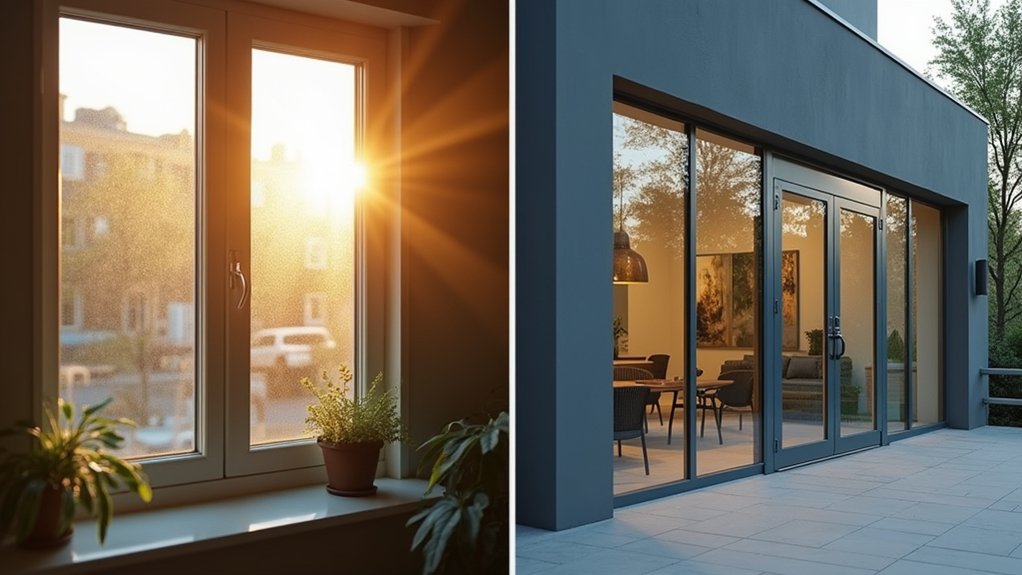
Security film ranges from $8-18 per square foot, while bulletproof glass starts at approximately $70 per square foot before framing costs. Large-scale projects achieve 50-70% cost reduction by selecting film over full glass replacement.
Should I install security film on windows? If you’re evaluating threat levels against capital outlay, film retrofits existing glazing without demolition expenses, crane rentals, or extended downtime. Installation takes hours rather than weeks.
Is security film a good investment? Properly anchored film meets ANSI Z97.1 safety standards and performs comparably to laminated safety glass. You’ll reduce insurance premiums while extending existing window lifespan, maximizing protection-to-cost efficiency across your property.
How Long Does Security Film Last Before Replacement?
Quality security films maintain structural integrity for 10 to 20 years, though environmental variables directly impact this timeline. You’ll extend film lifespan through regular inspections and proper maintenance. Watch for peeling, bubbling, or fading, these indicate compromised protection.
Security Film Won’t Stop Bullets or Determined Intruders
Although safeguard film delivers measurable protection against smash-and-grab attacks, it won’t stop bullets or defeat a determined intruder with time and tools. Film lacks ballistic testing data and provides zero penetration resistance against high-velocity projectiles.
Committed attackers using hammers or crowbars can breach film-protected glass within one to two minutes through repeated strikes. The web-like barrier slows entry but doesn’t prevent it. You shouldn’t rely on film as standalone protection. Pair it with alarms, cameras, or security screens for extensive coverage.
When Security Film Makes Sense: And When It Doesn’t
Protective film delivers strong ROI when your property’s risk profile matches its core strengths, delaying forced entry and containing shattered glass.
Safeguard film makes sense when:
- Your property has multiple glass entry points vulnerable to smash-and-grab tactics
- You’re in an area where 60% of burglars abandon attempts exceeding four minutes
- You need cost-effective reinforcement without full security glass replacement
However, film isn’t the right solution for every situation. If you’re facing determined intruders with extended time windows or ballistic threats, you’ll need upgraded countermeasures. Film won’t compensate for absent alarm systems or poor lighting.
Whether you’re protecting your family at home or securing your storefront from break-ins, security window film is one of the smartest investments you can make. At Ecovision Window Films, our experienced team provides personalized window film solutions tailored to your needs. Call (236) 862-0052 today.
Frequently Asked Questions
Can Security Film Be Installed on Windows With Existing Tints or Coatings?
You can technically install security film over existing tints or coatings, but there are significant adhesion risks. Pre-existing treatments prevent the film’s adhesive from bonding directly to glass, leading to bubbles, streaks, and potential failure during impact events. For reliable protection, remove existing coatings completely before installation to ensure proper surface preparation.
Does Security Film Void Window Manufacturer Warranties?
Yes, security film voids your window manufacturer’s warranty in approximately 71% of cases, as tampering with the window seal during installation commonly triggers warranty cancellation. However, LLumar and Vista offer manufacturer warranties with thermal shock fracture protection up to $500 per window. Review your window warranty’s fine print before proceeding.
How Noisy Is the Break-In Process With Security Film Installed?
Security film greatly increases noise during break-in attempts. Repeated hammer blows or crowbar strikes generate sustained, detectable sounds as the film holds shattered glass in place. This prolonged struggle amplifies sound levels enough to trigger alarms and alert neighbors, dramatically increasing the intruder’s detection risk.
Is Security Window Film Worth the Investment for Homes?
For most homes with ground-floor glass exposure, security window film delivers strong ROI at $8 to $18 per square foot — far less than laminated glass replacement. It delays forced entry by 2 to 3 minutes, contains dangerous glass shards, and qualifies for potential insurance premium reductions. The cost difference versus doing nothing is modest; the protection difference is significant.
Can Security Film Be Removed Without Damaging the Glass Underneath?
Yes, you can remove security film without damaging glass when using proper techniques. Apply heat with a hair dryer or heat gun to soften the adhesive, then carefully peel from corners using plastic scrapers, never metal edges that risk scratching. For stubborn adhesive residue, soak with solvent cleaners overnight. Always test inconspicuous areas first.
Industry Reference: The International Window Film Association (IWFA) sets standards for security and safety window film products and certifies professional installers across North America.