
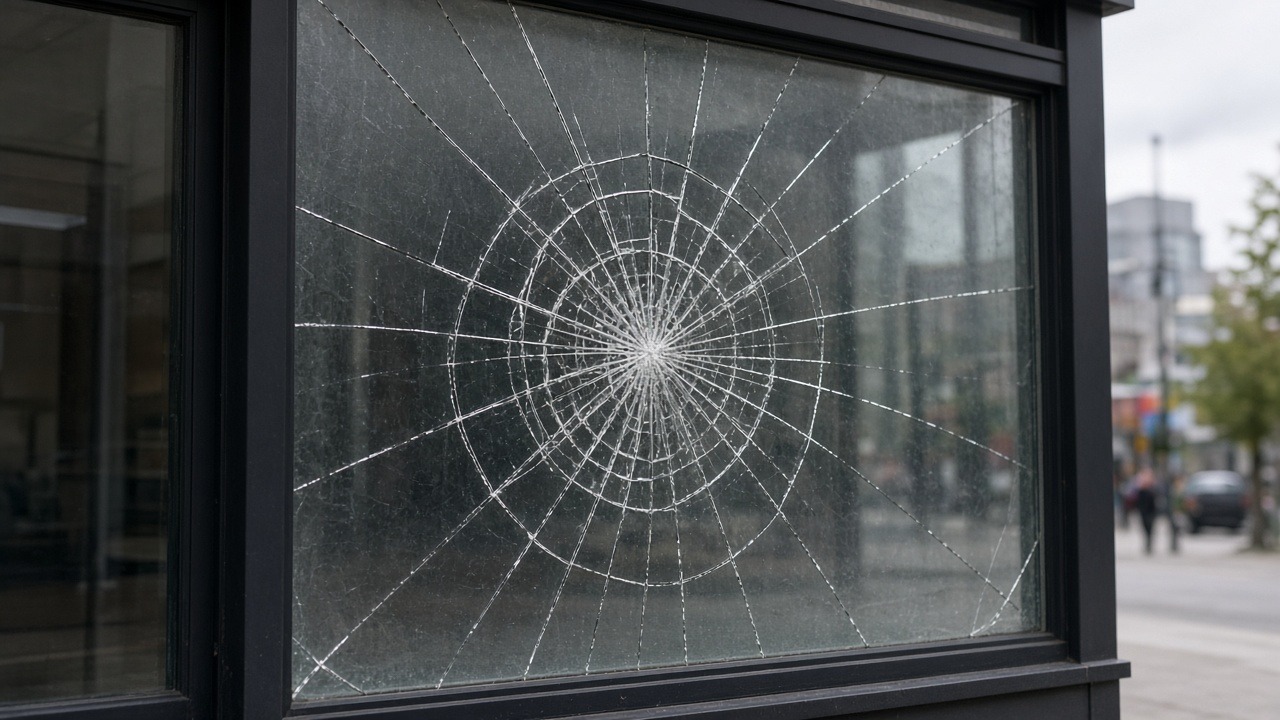
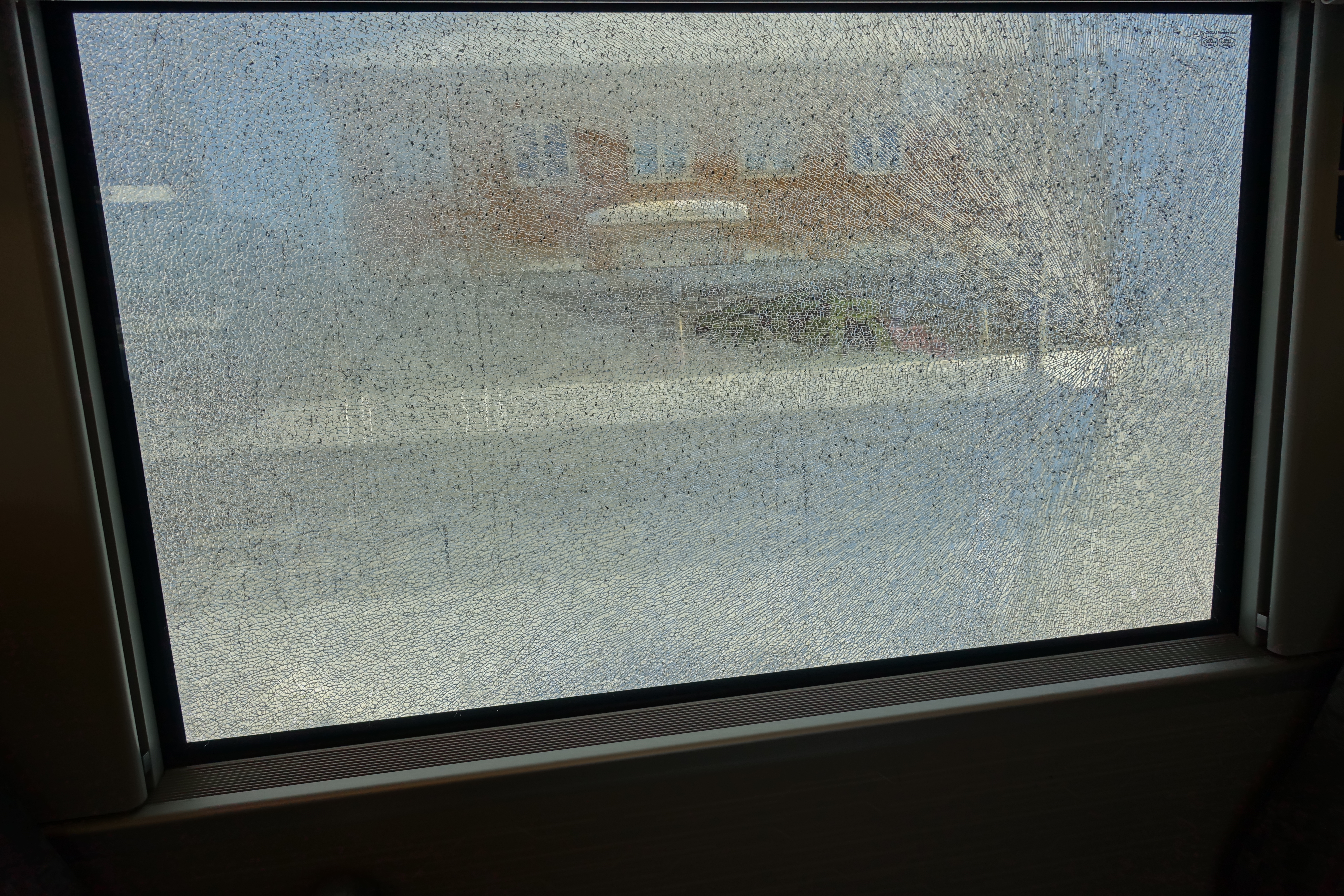
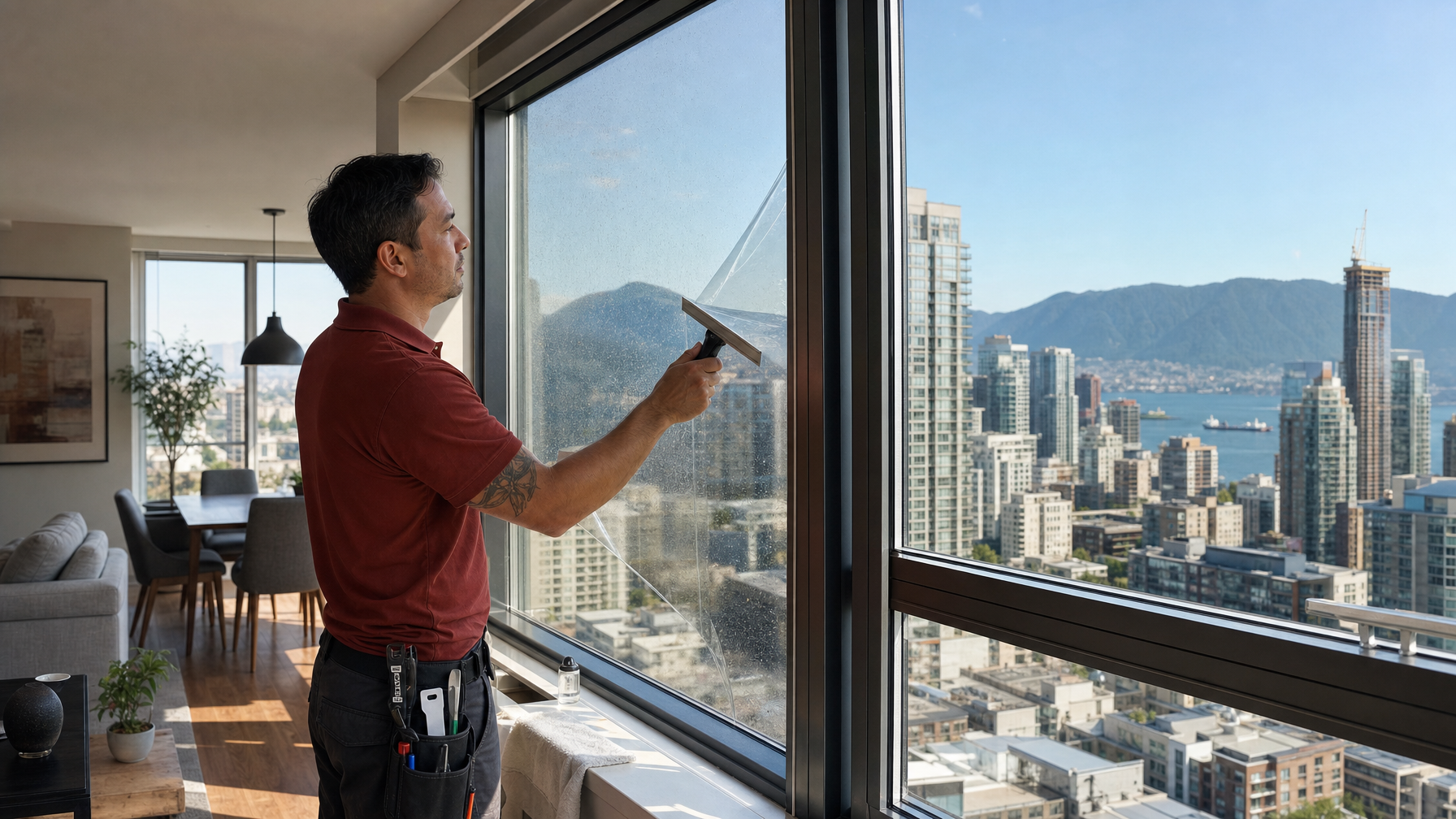
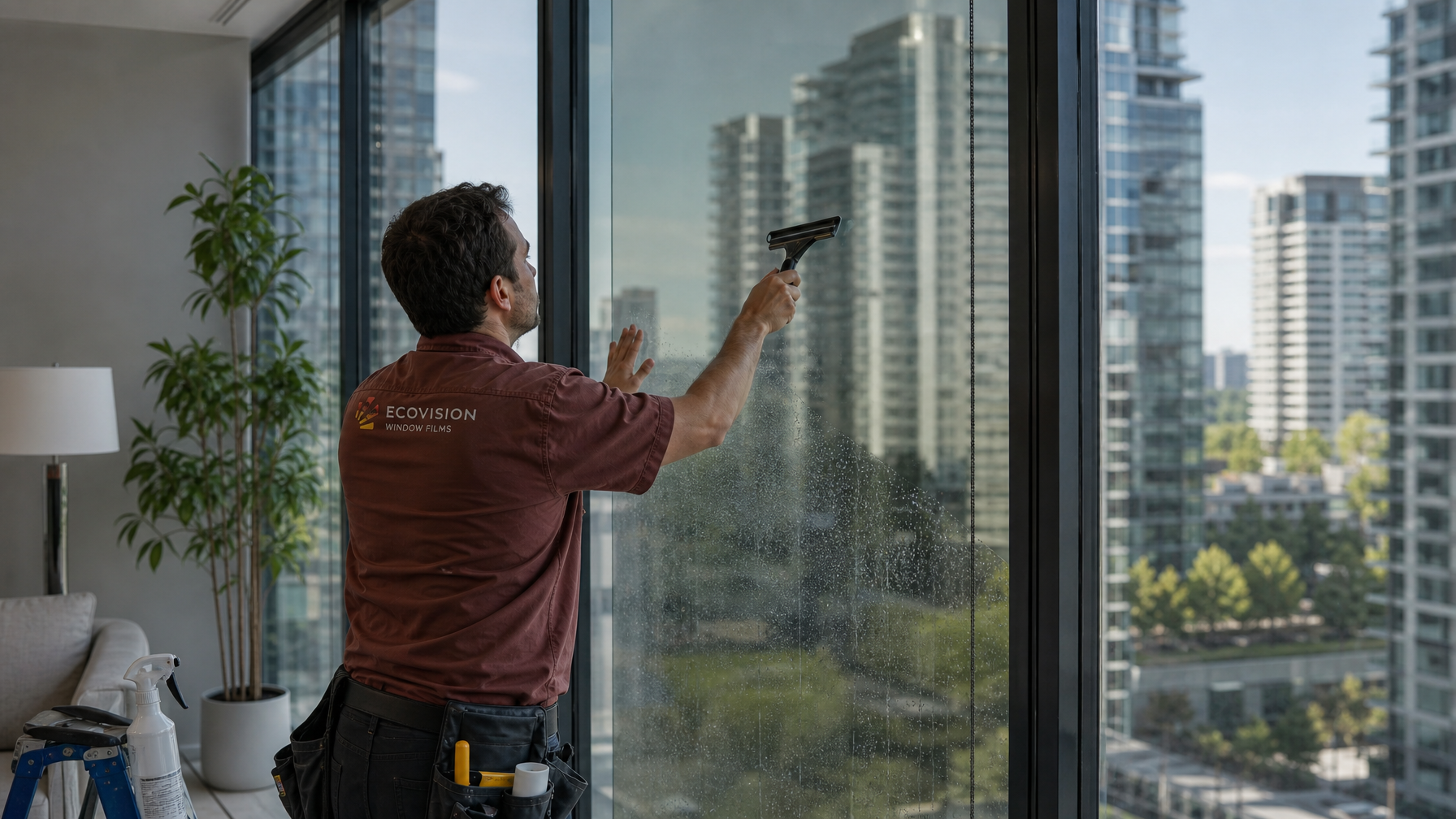
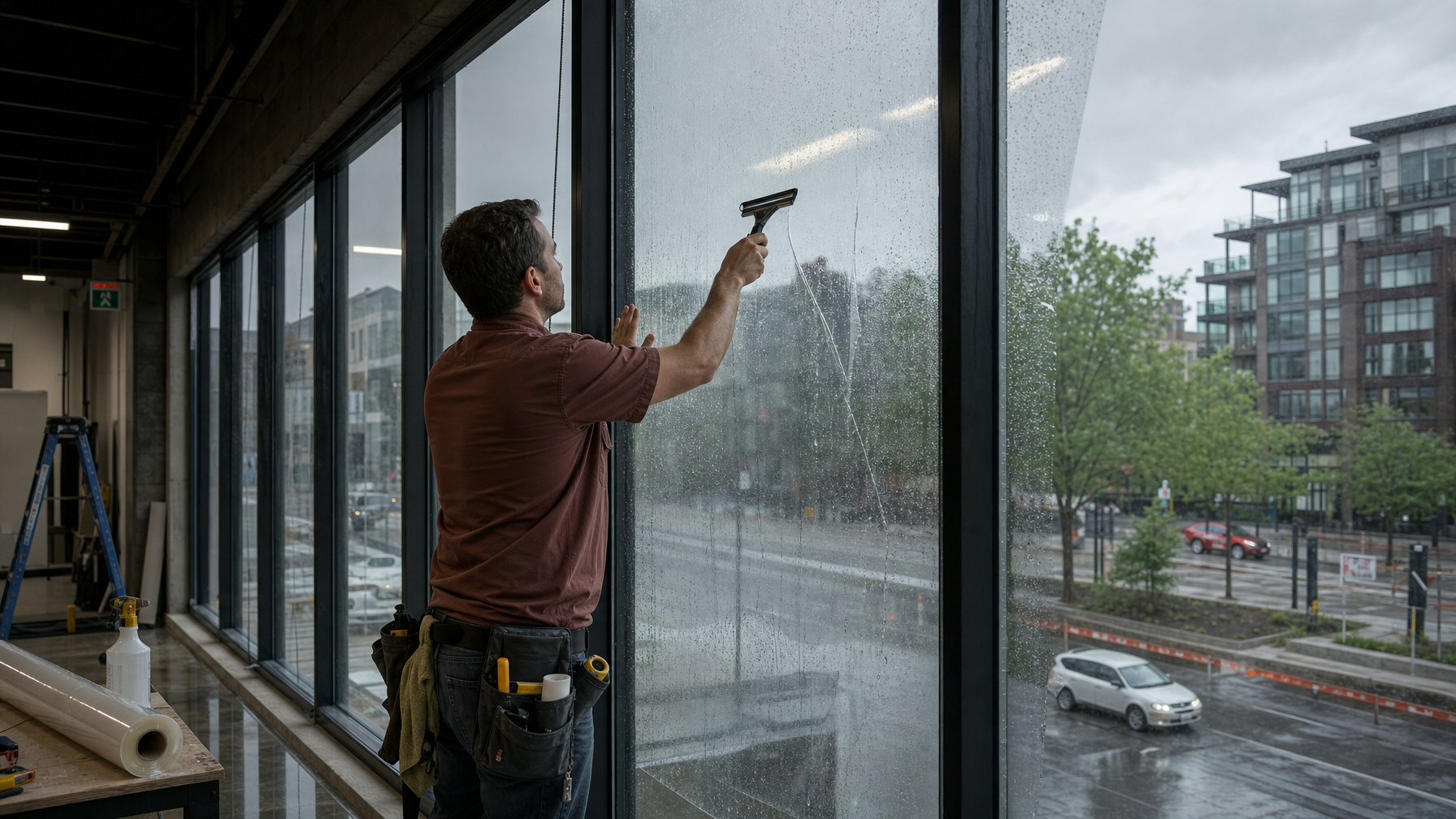
Protective window film is a multi-layer polyester film applied to existing glass that prevents injury, limits property damage, and delays forced entry by holding broken glass fragments together after impact. In Metro Vancouver, protective film is used across residential, commercial, strata, and healthcare settings where glass breakage from accidental impact, weather events, or attempted entry poses a safety or liability risk. Installed cost in BC runs $9, $18 per square foot for certified film from LLumar or Vista.
What Is Protective Window Film?
Protective window film is the broadest category in the window film industry. It covers any film engineered primarily to change the performance of glass after breakage, holding fragments in place rather than allowing them to scatter. Within this category sit several distinct product types, each targeting a specific risk profile:
- Safety film, certified to ANSI Z97.1 or CPSC 16 CFR 1201, designed for BC Building Code compliance in hazardous glazing locations
- Security film, meets UL 972 burglary-resisting standard, designed to delay forced entry
- Glass protection film, general term often used in construction and renovation contexts for temporary or semi-permanent glass surface protection
- Anti-shatter film, marketing term for fragment-retaining film, typically 4, 8 mil, similar to safety film
Protective Film vs Safety Film vs Security Film, What’s the Difference?
| Term | Certification | Primary Purpose | Typical Buyer |
|---|---|---|---|
| Protective window film | Varies | General glass fragment retention | Homeowners, renovators, strata managers |
| Safety window film | ANSI Z97.1 / CPSC 16 CFR 1201 | Injury prevention, BC Building Code compliance | Property managers, healthcare, schools |
| Security window film | ANSI Z97.1 + UL 972 | Break-in delay, forced-entry resistance | Retail, government, commercial high-risk |
Who Uses Protective Window Film in BC?
Residential Homeowners and Strata Residents
Ground-floor suites and homes with door sidelights, large glazed panels, or glass balcony railings are the most common residential application. The primary motivation is usually injury prevention, keeping glass intact after accidental impact, and increasingly, deterring residential break-ins. For strata residents, film that doesn’t change the exterior appearance (clear or barely tinted protective film) avoids strata approval complications.
Property Managers and Strata Councils
Building-wide protective film installations are driven by two events: a glass breakage incident that triggers liability concerns, or a WorkSafeBC or insurance audit that identifies hazardous glazing locations in common areas. Strata councils in Metro Vancouver’s high-density residential buildings, Burnaby’s Metrotown corridor, Surrey City Centre, Coquitlam Town Centre, increasingly specify protective film in lobby entrances, gym enclosures, and common-area glazing.
Healthcare and Senior Care Facilities
CARF accreditation and Accreditation Canada standards require certified safety glazing in patient care and common areas. Applying ANSI Z97.1 Category II film to existing annealed glass is the most cost-effective retrofit path, typically $120, $300 per panel compared to $400, $1,200 for glass replacement.
How Much Does Protective Window Film Cost in BC?
| Film Type | Certification | Installed Cost (CAD/sq ft) | Best For |
|---|---|---|---|
| Basic protective film (uncertified) | None | $9, $12 | General fragment retention, low-liability locations |
| Safety film Category I | ANSI Z97.1 Cat I | $10, $15 | BC Building Code lower-hazard locations |
| Safety film Category II | ANSI Z97.1 Cat II | $12, $18 | Higher-hazard locations, healthcare, institutional |
| Security film (protective + entry delay) | ANSI Z97.1 + UL 972 | $15, $22 | Forced-entry risk, retail, government buildings |
For a typical residential application, upgrading three door sidelights in a Vancouver home, expect $240, $540 for certified safety film, compared to $750, $2,100 for new tempered glass panels. For a strata building upgrading common-area lobby glass (200, 400 sq ft), total installed cost runs $2,400, $7,200 depending on film grade.
Can Protective Film Be Applied to Double-Pane Windows?
Yes, but film selection must account for thermal stress in insulated glass units (IGUs). Double and triple-pane windows have specific thermal tolerance limits, applying an incompatible film can cause glass stress fractures or void the window manufacturer’s warranty. Ecovision conducts a thermal stress calculation for every IGU project before film is specified, ensuring the selected film stays within the glass unit’s thermal tolerance. This is a standard part of our pre-installation process and is included at no charge in the site assessment.
Protective Film in BC’s Renovation and Construction Context
For contractors undertaking major renovations of older Metro Vancouver commercial buildings, the pre-2000 office stock in Burnaby, Richmond, and downtown Vancouver, protective window film is frequently specified as part of a glazing upgrade strategy. Rather than replacing all annealed glass panels with tempered or laminated glass (a significant structural and budget commitment), applying certified safety film to existing panels achieves BC Building Code compliance at 15, 25% of the replacement cost.
Frequently Asked Questions
Is protective window film the same as safety film?
Protective window film is a broad category that includes safety film, security film, and uncertified fragment-retaining films. Safety film specifically refers to film independently certified to ANSI Z97.1 or CPSC 16 CFR 1201. For BC Building Code compliance or WorkSafeBC requirements, you need certified safety film, not generic protective film.
How much does protective window film cost per square foot in Vancouver?
Uncertified protective film starts at $9, $12 per square foot installed. Certified safety film (ANSI Z97.1 Category I or II) runs $10, $18 per square foot. Security-grade protective film rated to UL 972 costs $15, $22 per square foot installed in Metro Vancouver.
Is protective window film required by BC law?
Certified safety glazing is required by BC Building Code Section 9.6.4 in specific hazardous locations: door sidelights, shower enclosures, stair landings, and athletic facilities. Protective film independently certified to ANSI Z97.1 satisfies this requirement when applied to existing annealed glass. Uncertified protective film does not satisfy the code requirement.
How long does protective window film last in BC?
LLumar and Vista certified protective films installed by Ecovision last 10, 15 years in Vancouver’s climate. The manufacturer warranty covers adhesive failure, delamination, bubbling, and colour shift. Avoid ammonia-based cleaners, which degrade film adhesive over time.
Can protective film be removed later?
Yes. Protective and safety window film is removable using a heat gun, razor blade, and adhesive remover without damaging the glass. Removal takes approximately the same labour time as installation.
For a free on-site assessment of your glazing and a protective film recommendation suited to your building, contact Ecovision Window Films at (236) 862-0052 or visit our contact page.