

Residential window film blocks up to 99% of UV radiation, rejects 70, 78% of solar heat, and reduces glare by 86%, transforming your existing windows into high-performance barriers without the cost of full replacement. You’ll protect furniture and floors from fading while cutting energy bills by 10, 30% annually. Spectrally selective technology targets heat-producing infrared wavelengths without sacrificing natural light. Below, you’ll discover exactly how each benefit works to enhance your home’s comfort and efficiency.
What Residential Window Film Does for Your Home

Most homeowners don’t realize their windows are responsible for up to 30% of their home’s energy loss and nearly all UV-related interior damage. Residential window film addresses both issues directly by rejecting 95, 99% of harmful ultraviolet rays while reducing heat transfer through your glass. This level of UV protection extends the acceptable life of valuables by up to 300, 500%, preserving everything from hardwood floors to artwork.
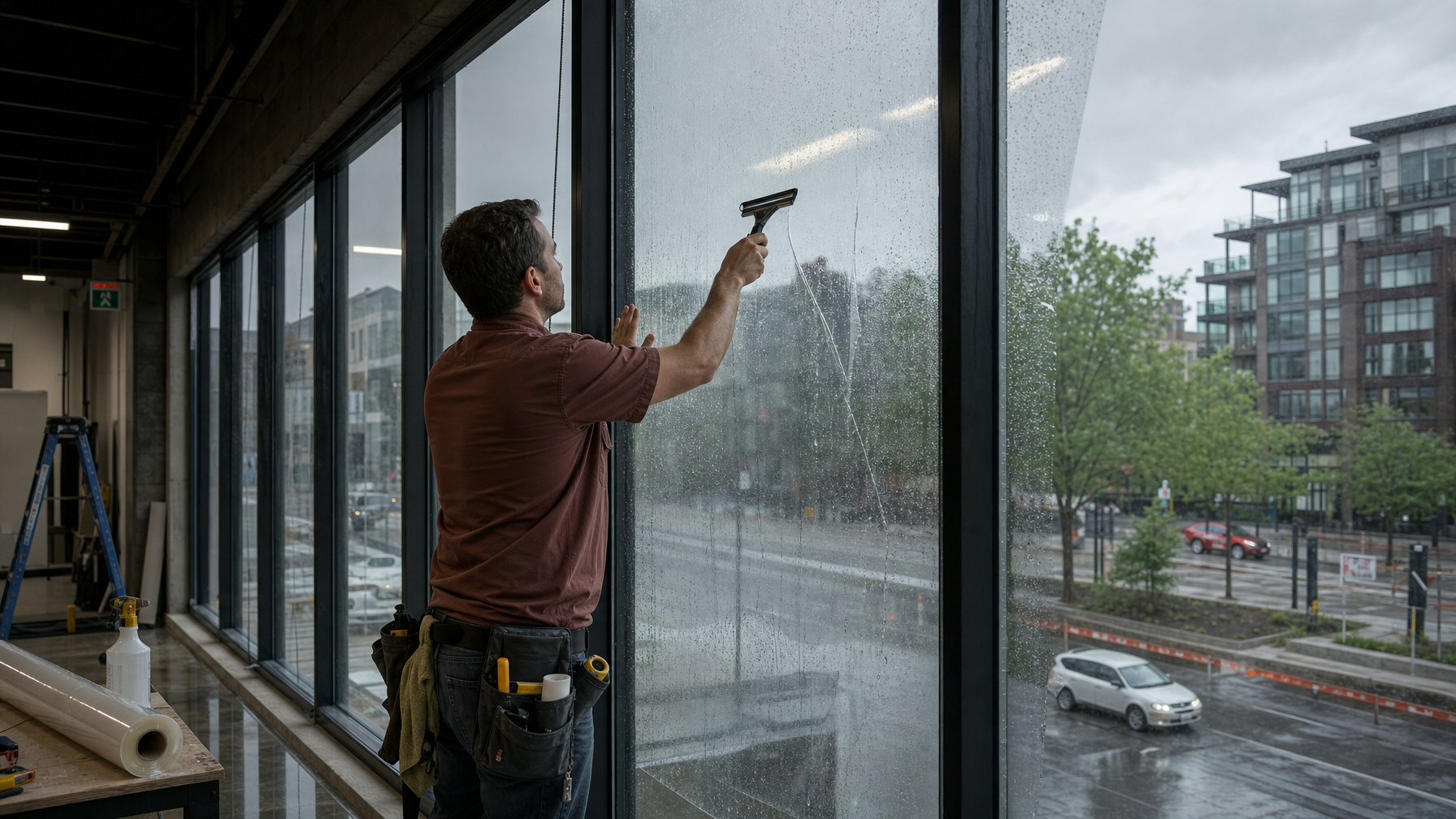
Window film for homes works by filtering solar energy before it enters your living space. High-quality films achieve this by incorporating a reflective metallic or ceramic layer that can block over 70% of solar heat gain. The house window tint benefits extend beyond comfort, you’ll notice preserved furniture colors, reduced HVAC strain, and lower utility bills.
Cut Solar Heat by 75% Without Losing Natural Light
You can block up to 78% of solar energy while maintaining the natural light levels you want in your home. Advanced window films use spectrally selective technology to target infrared heat, rejecting up to 97% of it, without significantly reducing visible light transmission.
Deep dive: Does Window Film Reduce Heat in Summer?
Block 99% of UV Rays That Fade Furniture and Floors
Standard single-pane windows block only 23, 28% of UV light, leaving your interiors vulnerable to accelerated fading. High-quality window film blocks approximately 99% of UV radiation in the 300, 380 nm range, including both UVB rays that cause rapid material degradation and UVA rays that penetrate deeper into textiles, wood, and leather surfaces.
Full breakdown: Does Window Film Block UV Rays?
Lower Energy Bills by 30% With Heat-Rejecting Film
Heat-rejecting window film blocks up to 84% of solar energy before it enters your home, directly reducing the workload on your HVAC system and cutting cooling costs by as much as 30%. You’ll typically recover your investment within two to five years through consistent monthly savings on energy bills. The decreased thermal load also extends your HVAC equipment’s lifespan by minimizing run cycles and system strain.
How Long Will Your Window Film Last?
Window film on house windows typically lasts 5 to 25 years, depending on the type installed. Ceramic films deliver the longest performance at 20, 25 years when properly installed. Installation quality matters as much as film type, a poorly installed premium film fails faster than a well-installed mid-range product.
Full guide: How Long Does Window Film Last on House Windows?
Window Film vs. Blinds and Curtains
Window film blocks up to 86% of solar heat without cluttering your sightlines. Blinds only insulate when fully closed, sacrificing natural light. Curtains can trap warmth inside, increasing cooling costs. For year-round efficiency, pairing film with insulating window treatments delivers the best of both worlds.
Full comparison: Window Film vs Blinds vs Curtains (Which Works Better?)
Privacy, Safety, and Curb Appeal
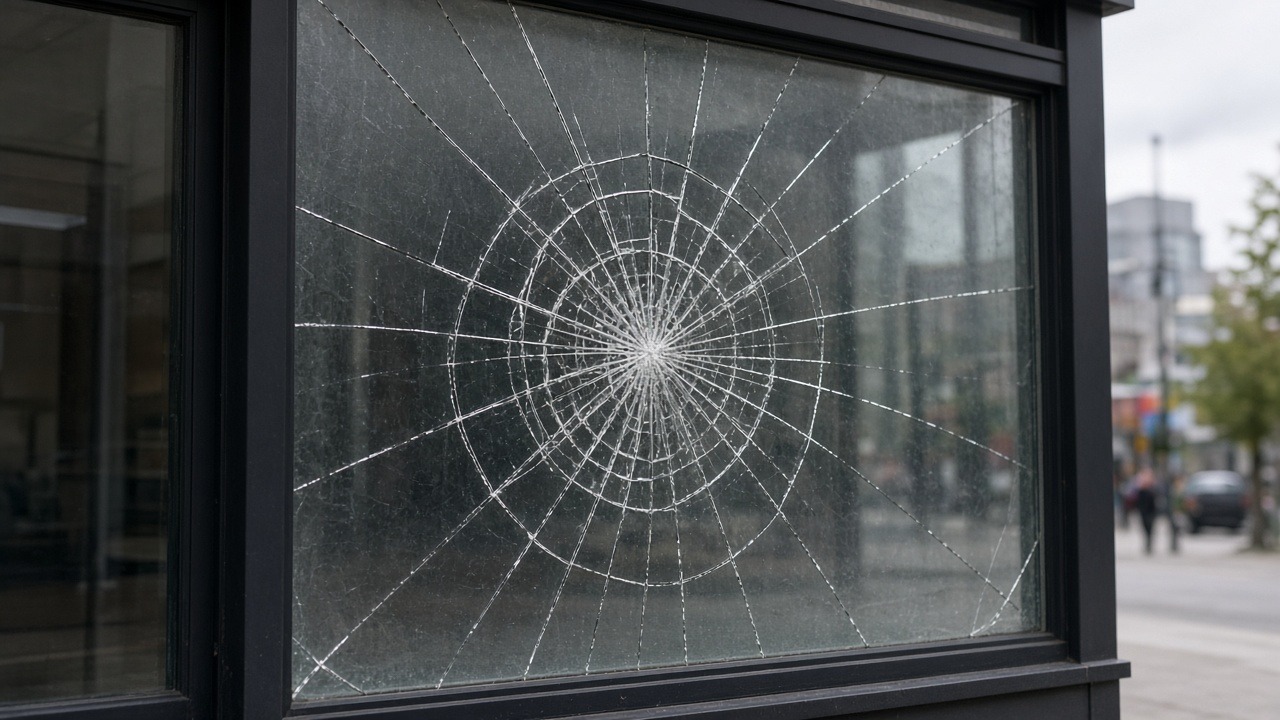
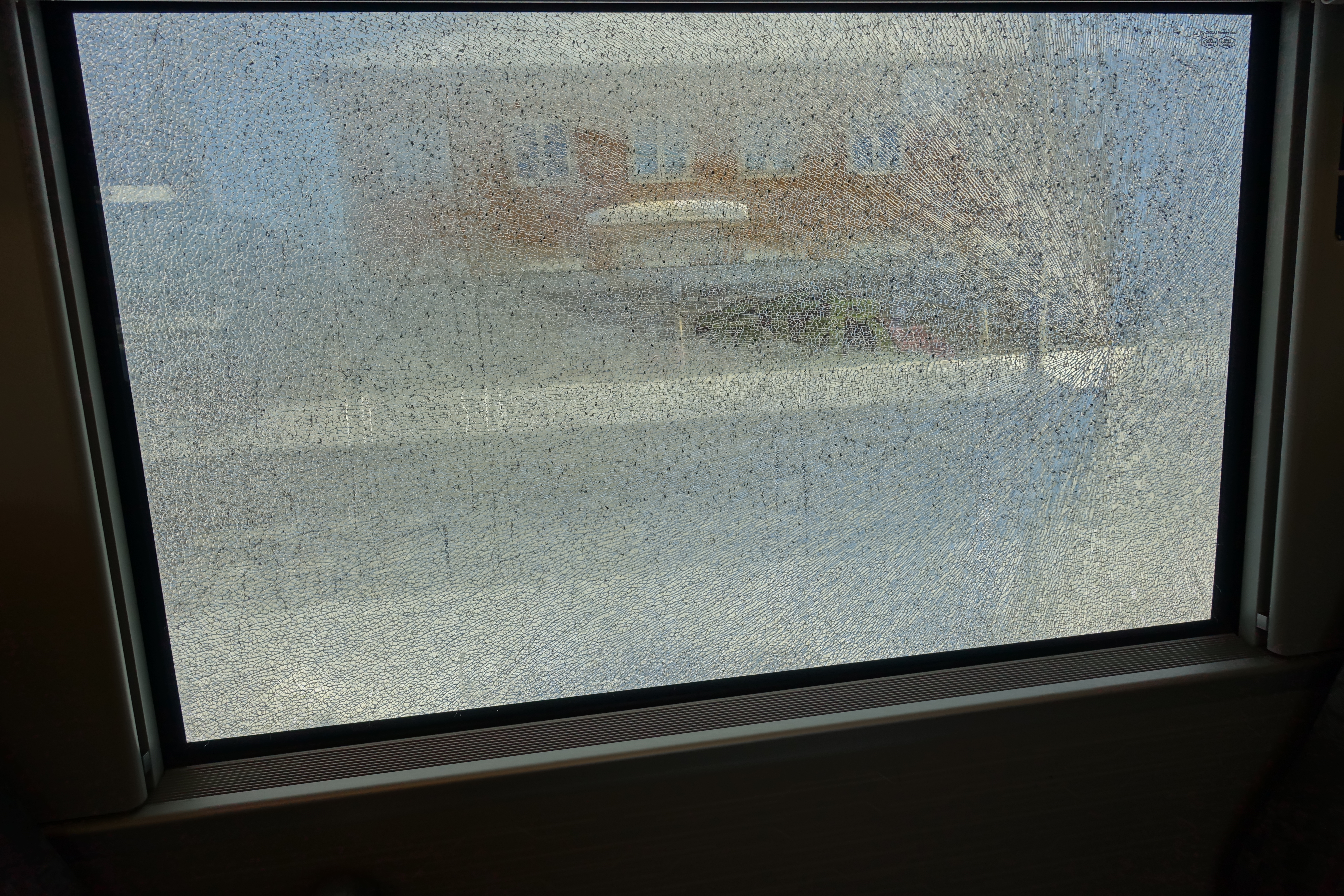
Beyond temperature control and glare reduction, residential window film delivers practical advantages many homeowners don’t initially consider. Privacy films create a one-way mirror effect, blocking inward visibility while preserving your outward view. Security films hold shattered glass together during storms or break-in attempts, reducing injury risk and deterring intruders.
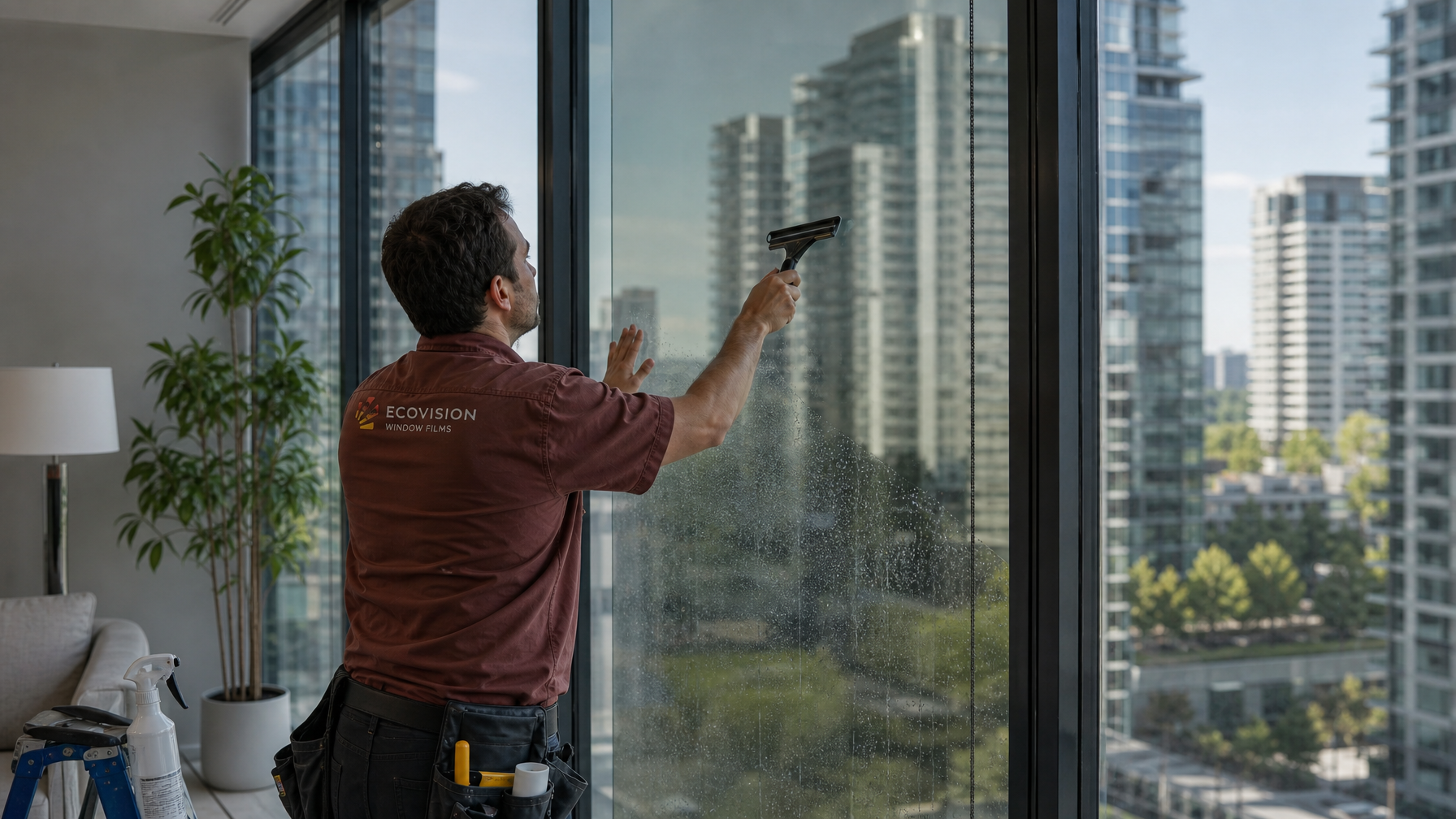
At Ecovision Window Films, we assess your home and recommend the right film for your needs. Call (236) 862-0052 for a free consultation.
More in the Residential Window Film Series
- Does Window Film Reduce Heat in Summer?
- Does Window Film Block UV Rays?
- How Long Does Window Film Last on House Windows?
- Window Film vs Blinds vs Curtains (Which Works Better?)
Also explore: Privacy Window Film Options | Security Window Film | How to Remove Window Film Safely
Related Articles
- Does Window Film Reduce Heat in Summer?
- Does Window Film Block UV Rays?
- How Long Does Window Film Last on House Windows?
- Window Film vs Blinds vs Curtains (Which Works Better?)
- How Much Does Window Film Cost in BC? (2026 Pricing Guide)
Industry Reference: Natural Resources Canada (NRCan) provides research and guidance on energy-efficient window technologies, including solar control films, for Canadian homes and commercial buildings.