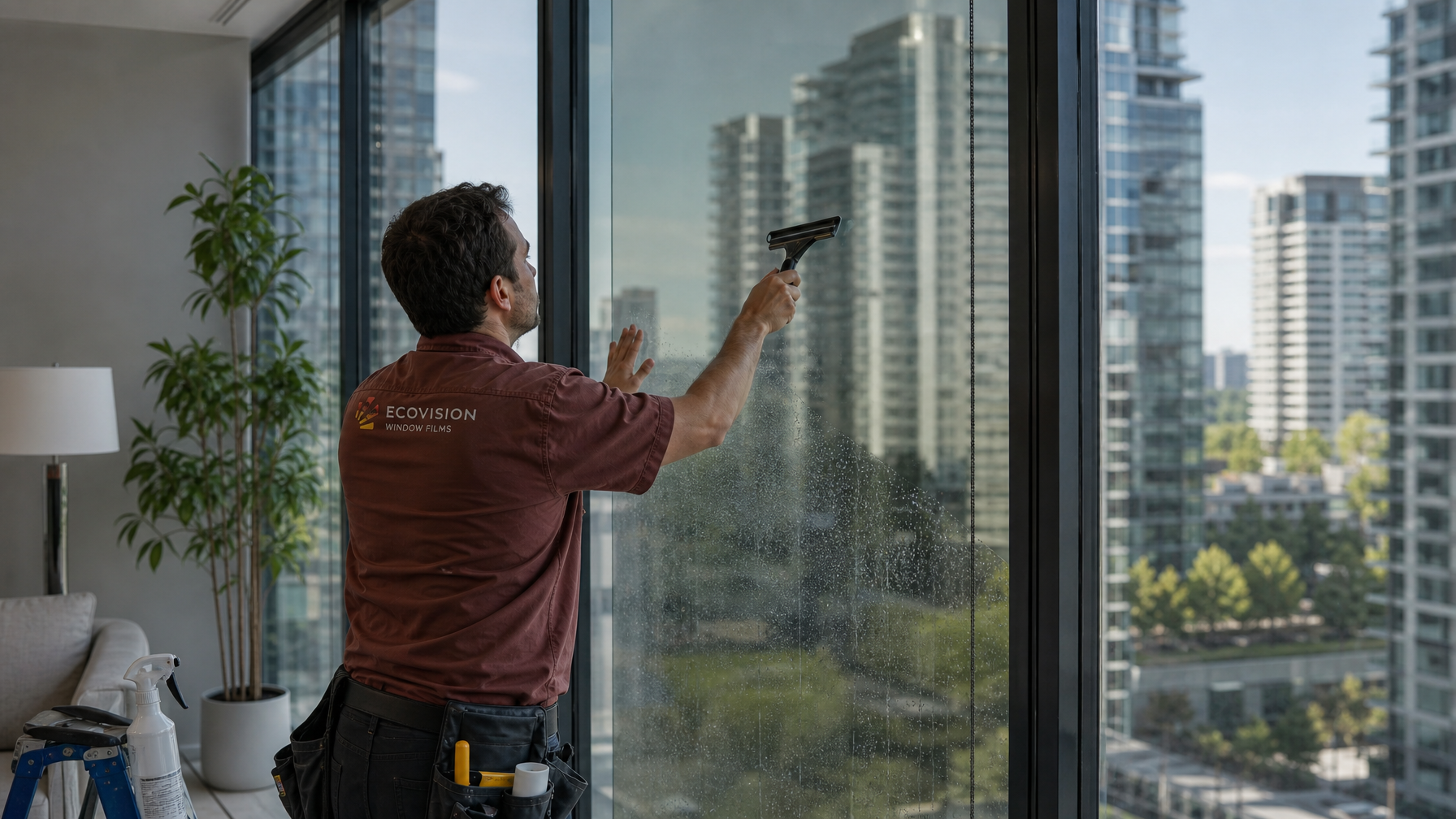
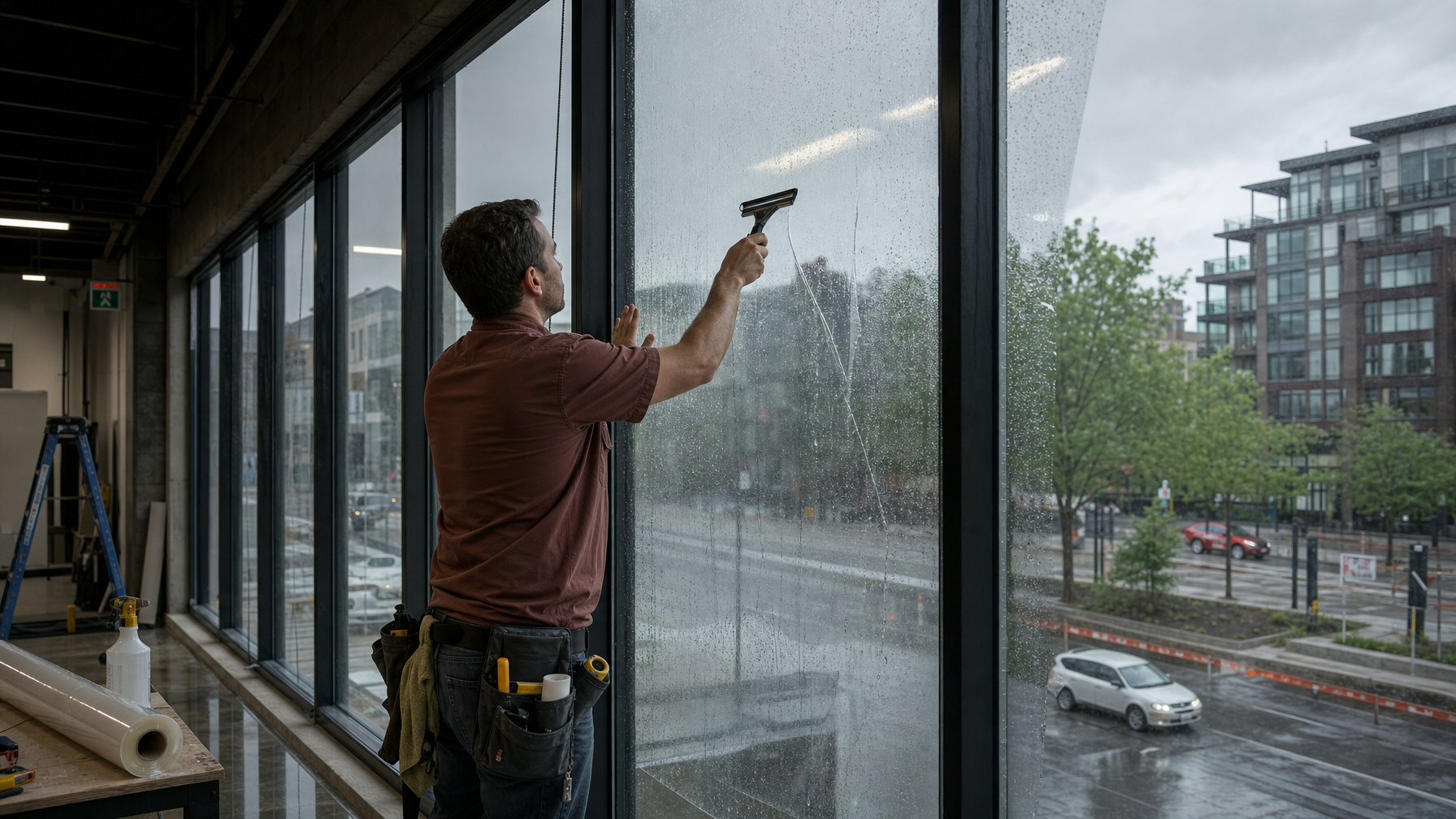
One-way glass works through a difference in lighting, not because light can travel through the glass in only one direction. A partly reflective surface both transmits and reflects light. Which view dominates depends on illumination on both sides, the film’s optical properties and the viewing position.
This page explains the mechanism. For product choice, day-versus-night privacy, pricing and a site assessment, use Ecovision’s one-way window film buyer’s guide.
Reflection and Transmission Happen Together
Looking at treated glass, you may see both a reflection of the near side and light coming through from the far side. If the near side is much brighter, its reflection can dominate the view. From the darker side, the brighter scene beyond the glass can be easier to see.
The film does not need to change state for the apparent privacy direction to change. A change in lighting alone can alter the balance between reflected and transmitted light.
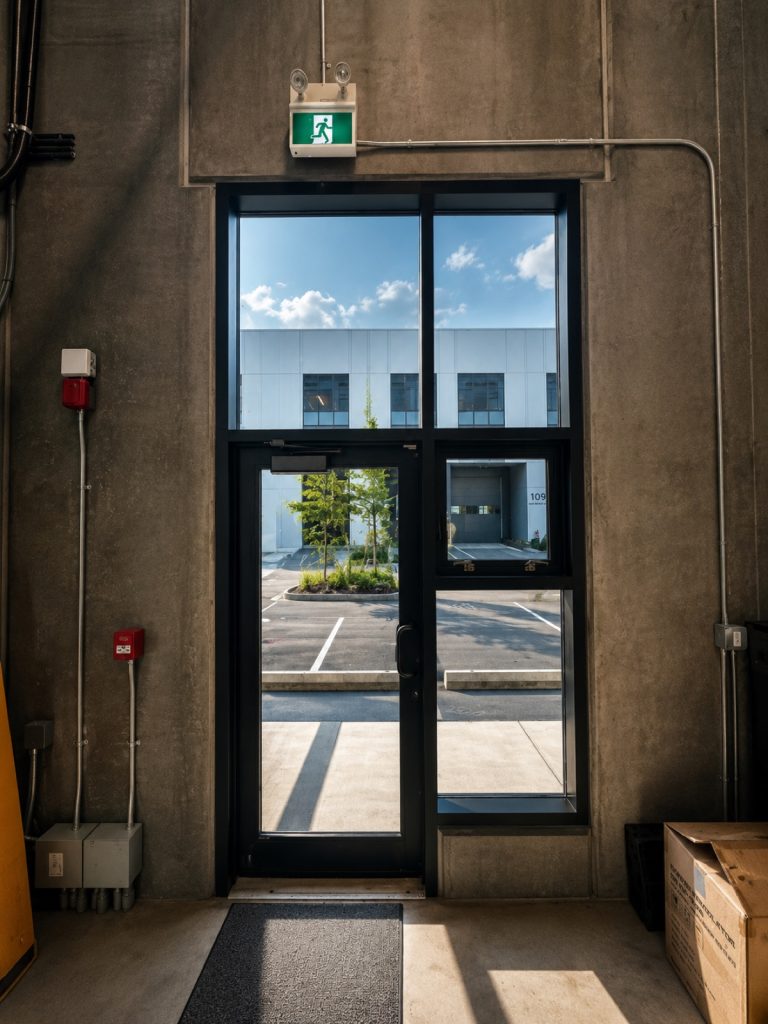
Why the Effect Changes After Dark
A daytime window often has a bright outdoor side and a dimmer room behind it. After sunset, interior lights may make the room the brighter side. An outside observer can then see transmitted light from inside, while occupants may see stronger reflections of their own room.
There is no universal time of day or lighting ratio that guarantees privacy for every product and opening. Shade, surrounding buildings, distance from the glass, room lighting and the selected film all matter. Check a sample in the actual setting.
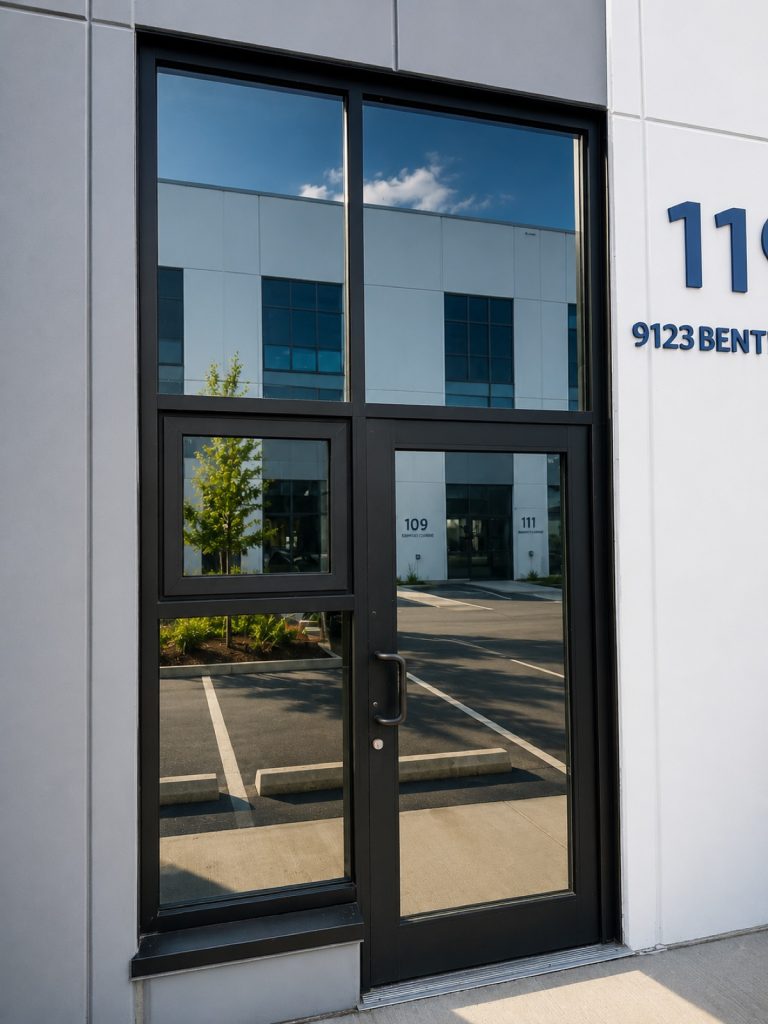
What Dual-Reflective Film Changes
Dual-reflective products have different interior and exterior reflectance. Lower interior reflectance can reduce mirror-like reflections seen from the room and improve the outward view. That does not mean the room becomes invisible from outside at night.
Do not specify ordinary reflective or dual-reflective solar film as the sole privacy safeguard for bedrooms, bathrooms, treatment rooms or other sensitive spaces. Assess an obscuring film or a physical treatment such as blinds or curtains.
What the Technical Numbers Mean
- Visible light transmission (VLT): the proportion of visible light that passes through the tested assembly.
- Visible reflectance: how much visible light is reflected. Interior and exterior values may differ.
- TSER and SHGC: measures used to compare solar performance on stated reference glass. They are not direct measurements of a building’s electricity savings.
Compare data for the exact film and reference glass, then confirm suitability for the existing glazing. For the product-selection discussion, see heat and glare reduction window film.
Reflective Film Is Different from Frosted Film
Frosted film scatters light and obscures the view instead of relying mainly on the light contrast across a reflective surface. Its treated area loses clear outward visibility. Strong backlighting can still reveal silhouettes through some frost or pattern designs, so privacy level and coverage must be assessed for the room.
Compare the frosted-film guide and privacy and decorative options. Keep the optical explanation separate from a claim that one film is suitable for every window.
Apply the Explanation to Your Building
Before choosing a film, identify the privacy hours, viewing distances, appearance requirements and actual glass construction. Use the one-way buyer’s guide for the selection checklist, or request an assessment.
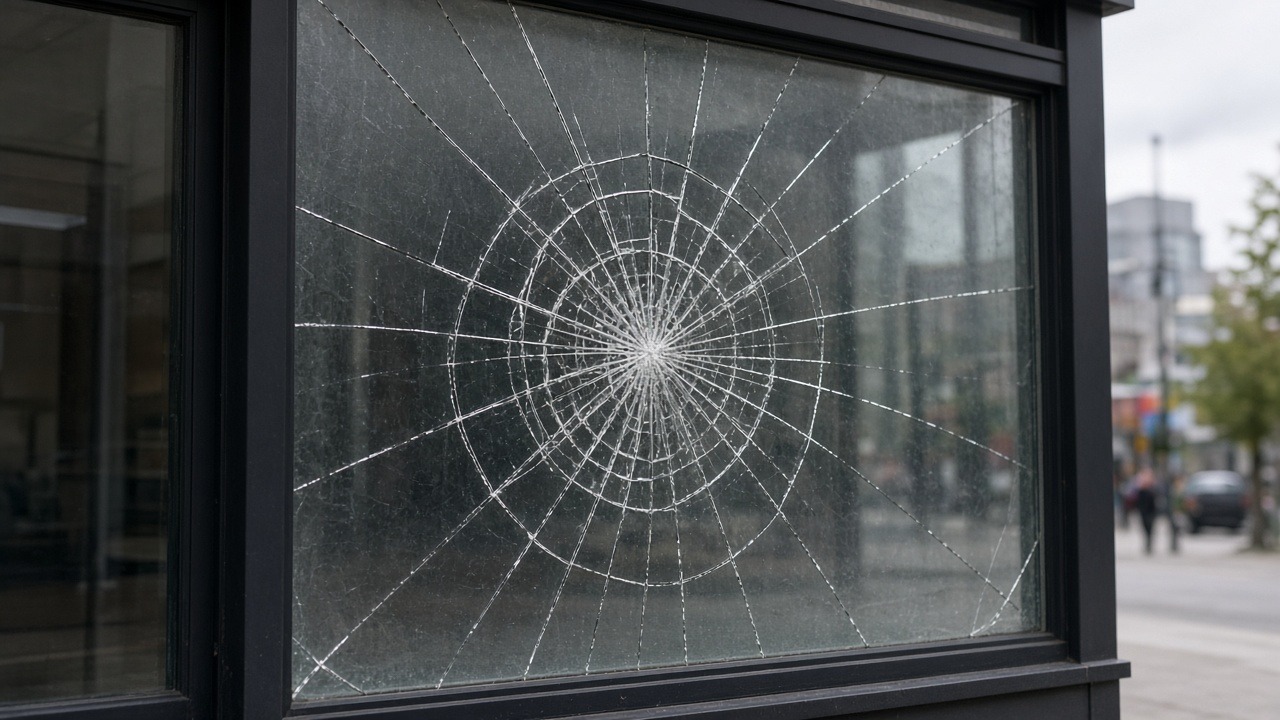
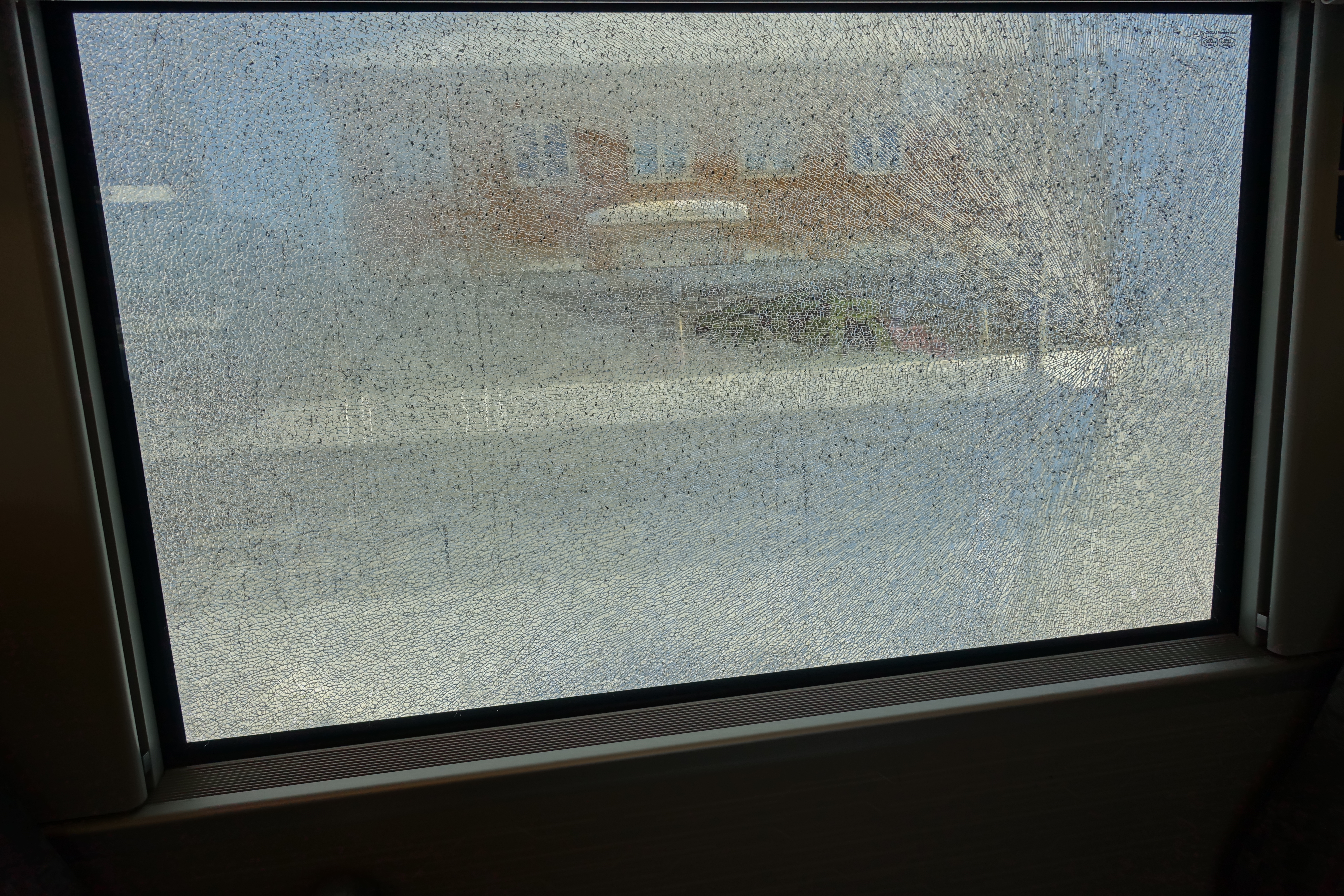
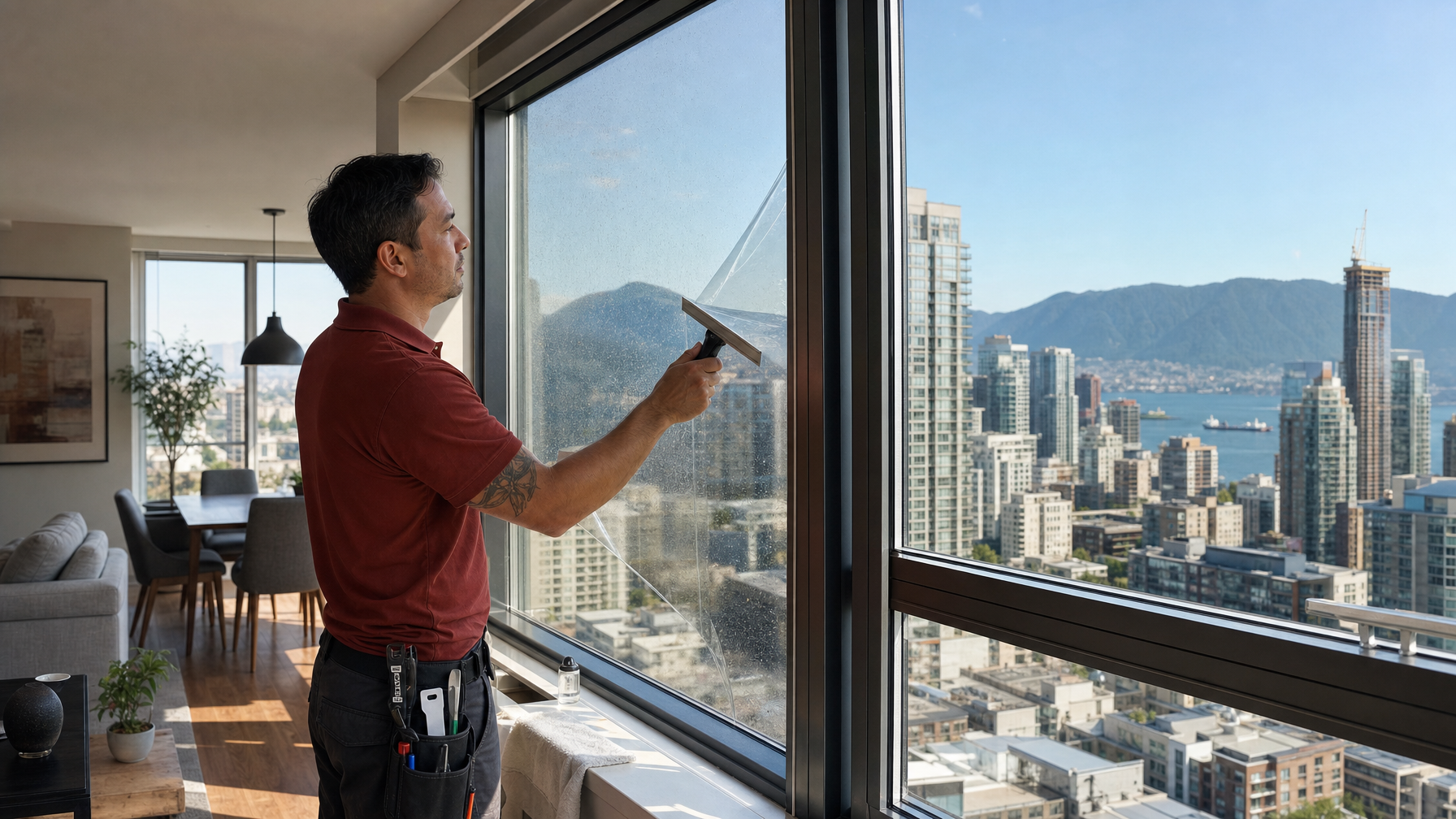
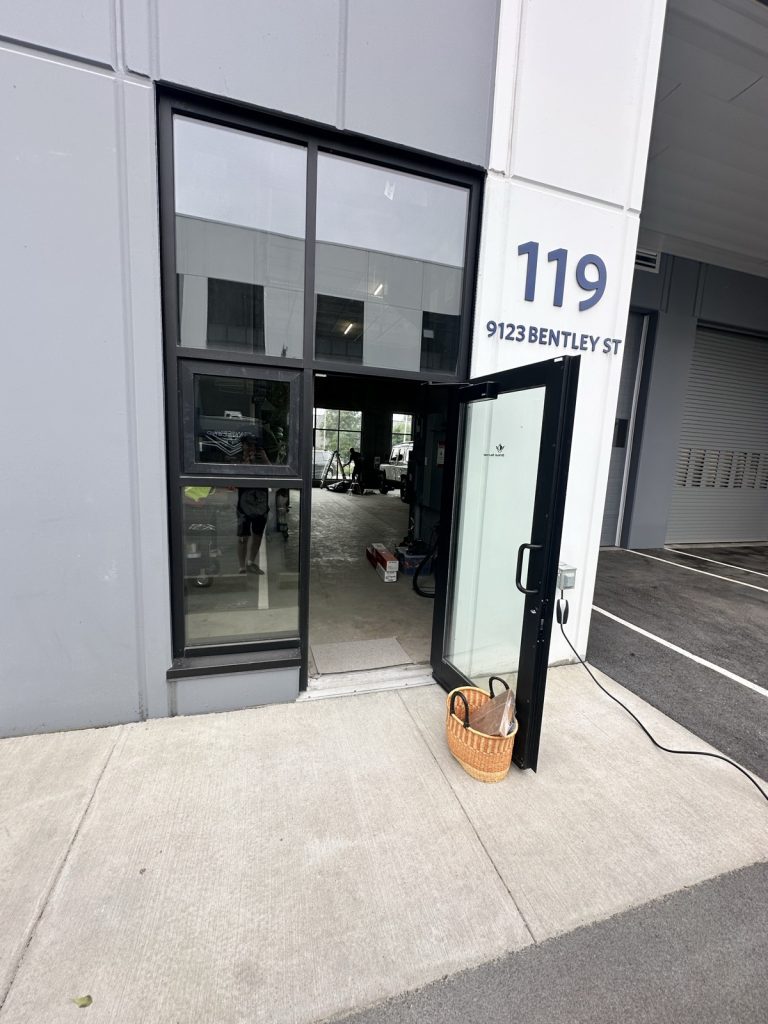
Reference: LLumar dual-reflective guide specification. The photographs illustrate glazing and appearance; they do not establish a tested film model or privacy result.
About Edward Zhang
With nearly 15 years in real estate, Edward Zhang previously worked as a licensed real-estate professional and served in leadership roles including managing broker, sales-team leader and top-performing salesperson. His recognition includes a Medallion Award and top-performer sales awards. Today, he brings that property, sales, marketing and development perspective to Ecovision Window Films when helping owners and project teams evaluate practical window-film options.
Prepared by Edward Zhang. Product availability, technical data, glass compatibility and warranties are verified for each project before recommendation. Call Edward directly at (778) 317-2580 or request a free estimate.