
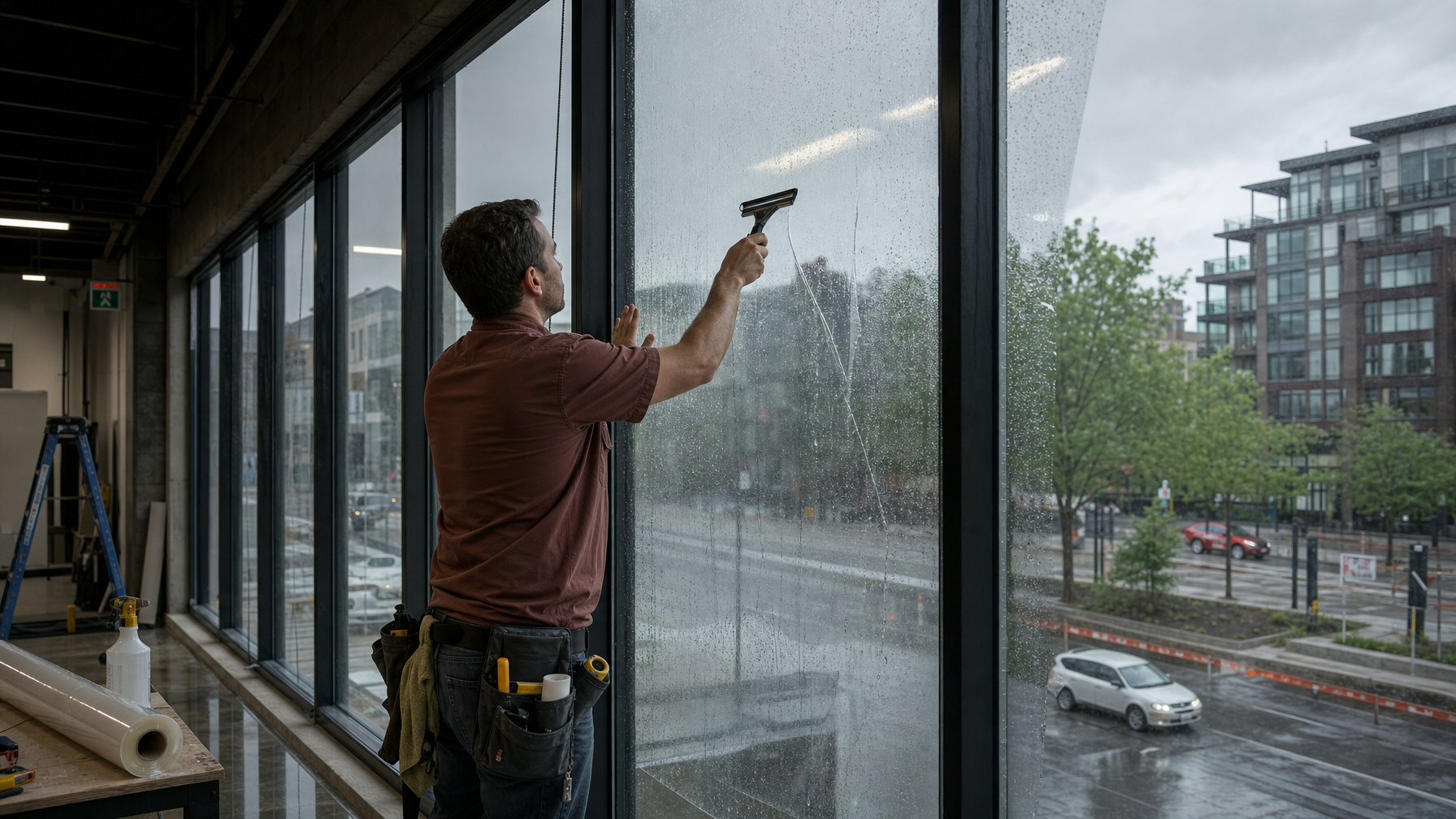
Vancouver’s strata market is one of the most active in Canada, with over 30,000 strata corporations currently registered across BC. The majority of concrete high-rises built in Vancouver and Burnaby between 1985 and 2010 prioritized large glazing areas over thermal performance, leaving strata residents exposed to significant solar heat gain, UV-related interior damage, and glare throughout the year. Ecovision Window Films installs solar control, privacy, and security window film in strata buildings across Vancouver and the Lower Mainland, and this guide covers everything a strata council or property manager needs to know before approving a project.
The direct answer: Window film for strata buildings in Vancouver costs $9 – $22 per square foot installed, depending on film grade and building height. Under the BC Strata Property Act, exterior glazing is classified as common property in most buildings, meaning the strata council can authorize a building-wide installation by council vote, without requiring a ¾ owner majority.
What Makes Strata Buildings in Vancouver Different from Other Commercial Properties?
A strata corporation in BC is a legal entity that owns and maintains common property on behalf of all unit owners. Under Section 72 of the Strata Property Act (RSBC 1998, c. 43), the strata corporation holds full responsibility for repairing and maintaining common property, and in most BC stratas, that includes the exterior building envelope and window glazing. This distinction matters for window film projects: because the glazing belongs to the strata corporation, the council can commission a building-wide installation without requiring each unit owner’s individual consent.
This governance structure gives strata buildings a meaningful advantage over individually negotiated commercial leases. A single decision by the strata council produces a coordinated, uniform installation across an entire floor stack, typically 10 to 40 suites per floor in a Vancouver concrete tower, at bulk pricing that individual units cannot achieve. For buildings with 80 or more suites, bulk commercial window film projects typically achieve 15–25% lower per-unit costs compared to suite-by-suite contracts.
Strata buildings in Vancouver also face a specific pressure under the Province’s CleanBC initiative, which targets a 40% reduction in building emissions from the 2007 baseline by 2030. Window film is a recognized passive retrofit measure: solar control film reduces solar heat gain by 40–80% depending on film type, which directly reduces air conditioning load in the suites behind that glass, a meaningful contribution toward CleanBC targets without the capital cost of window replacement.
What Types of Window Film Work Best for Strata Buildings?
Strata councils typically evaluate four film types when planning a building-wide installation. The right choice depends on the building’s orientation, glazing type, and whether the priority is heat rejection, privacy, aesthetics, or security.
| Film Type | Primary Benefit | Heat Rejection | Typical Cost (installed) | Best Application |
|---|---|---|---|---|
| Solar Control, Ceramic | Heat and glare reduction | Up to 80% | $14 – $22/sq ft | South and west-facing suites |
| Solar Control, Dyed/Hybrid | Heat reduction at lower cost | Up to 55% | $9 – $14/sq ft | Full-building retrofits on budget |
| Privacy / Decorative | Suite privacy, visual uniformity | 20–40% | $10 – $18/sq ft | Ground floors, amenity rooms |
| Security Film | Glass retention on impact | Minimal | $12 – $20/sq ft | Lobbies, parkade entries |
For most Vancouver strata buildings with south or west-facing exposure, LLumar ceramic solar film is the most frequently specified product, it blocks up to 80% of infrared heat while maintaining visible light transmission above 40%, preserving the views that unit owners paid a premium for. Vista solar films offer comparable performance at a slightly lower price point and are a common choice for full-building projects where budget consistency matters across many units.
Buildings located within areas covered by the City of Vancouver’s Bird-Friendly Design Guidelines, which apply to new construction and significant alterations within 16 metres of grade, should include UV-patterned bird-safe film on lower floors. Ecovision installs bird-safe film that meets the 2-by-4-inch maximum pattern spacing specified in the City of Vancouver guidelines, and this compliance can be documented for building permit and strata council records.
How Does the Strata Approval Process Work in BC?
The approval pathway for a window film project in a BC strata depends on how the building’s registered bylaws classify exterior window glazing. In the majority of stratas, exterior windows are common property maintained and controlled by the strata corporation. When this is the case, the council can approve a film installation by passing a majority council resolution at a regular council meeting, no AGM required, and no owner vote needed.
If a strata’s bylaws designate exterior windows as limited common property (LCP) assigned to individual strata lots, a less common but existing arrangement, the installation process changes. In this scenario, film applied to the interior surface of a window may fall under each unit owner’s jurisdiction, while the exterior surface remains under strata control. Ecovision recommends confirming glazing classification with a strata lawyer or your strata manager before finalizing the scope of any building-wide project.
A practical four-step approval path for most BC strata councils:
- Commission a site assessment. Ecovision provides free on-site assessments that document glazing type, total square footage by floor, sun orientation, and written film recommendations with cost ranges.
- Present to the strata council. The site assessment report gives the council the data needed to pass a resolution. Most councils vote on film projects at a regular council meeting.
- Notify unit owners. Even when owner votes are not required, proactive communication reduces complaints after installation. Ecovision provides a one-page resident notice councils can distribute in advance.
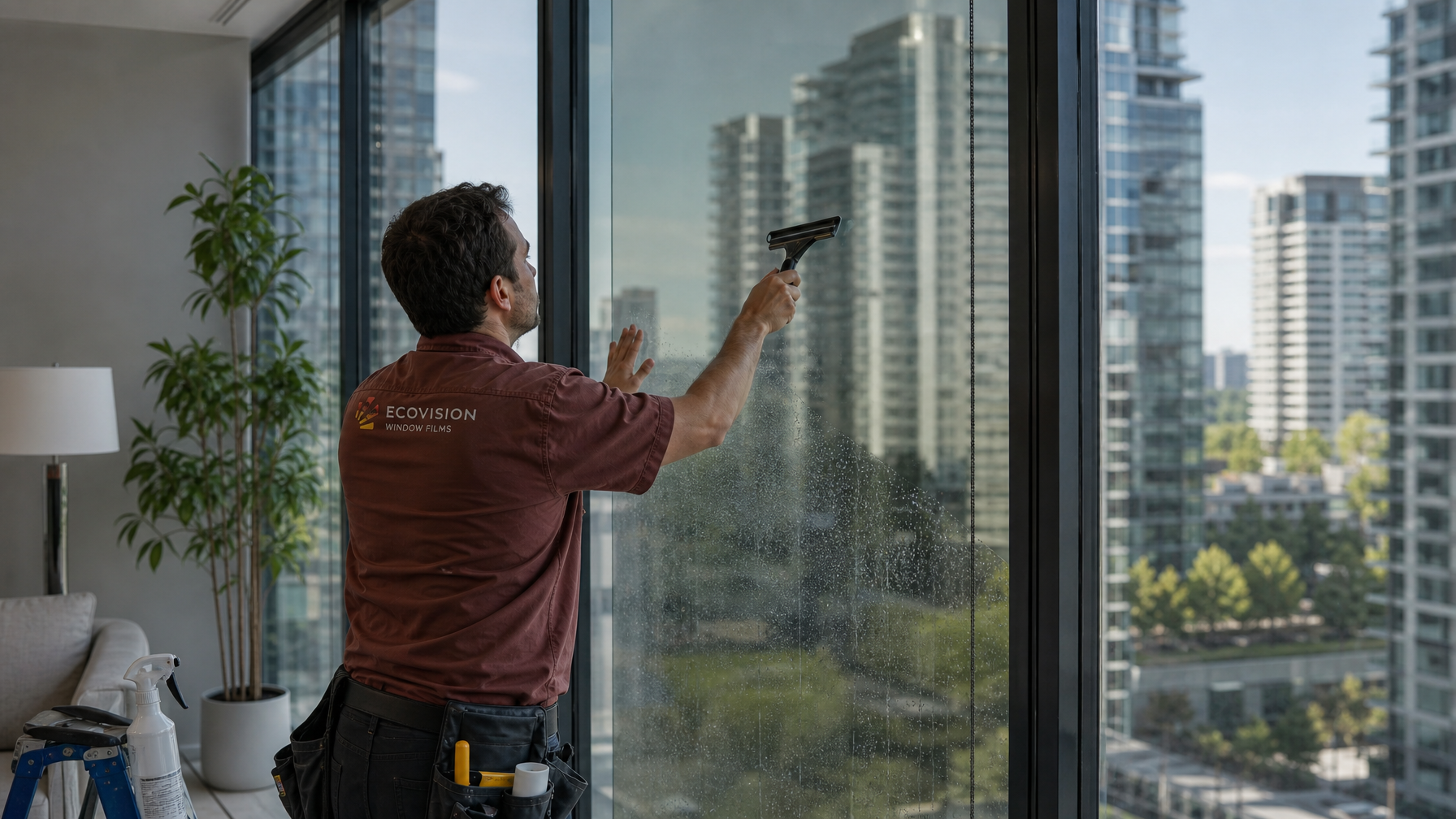
- Schedule installation by floor section. For buildings above 12 storeys, Ecovision coordinates access by floor to minimize disruption, typically 1–2 days per floor depending on suite count and access method.
How Much Does Window Film Cost for a Vancouver Strata Building in 2026?
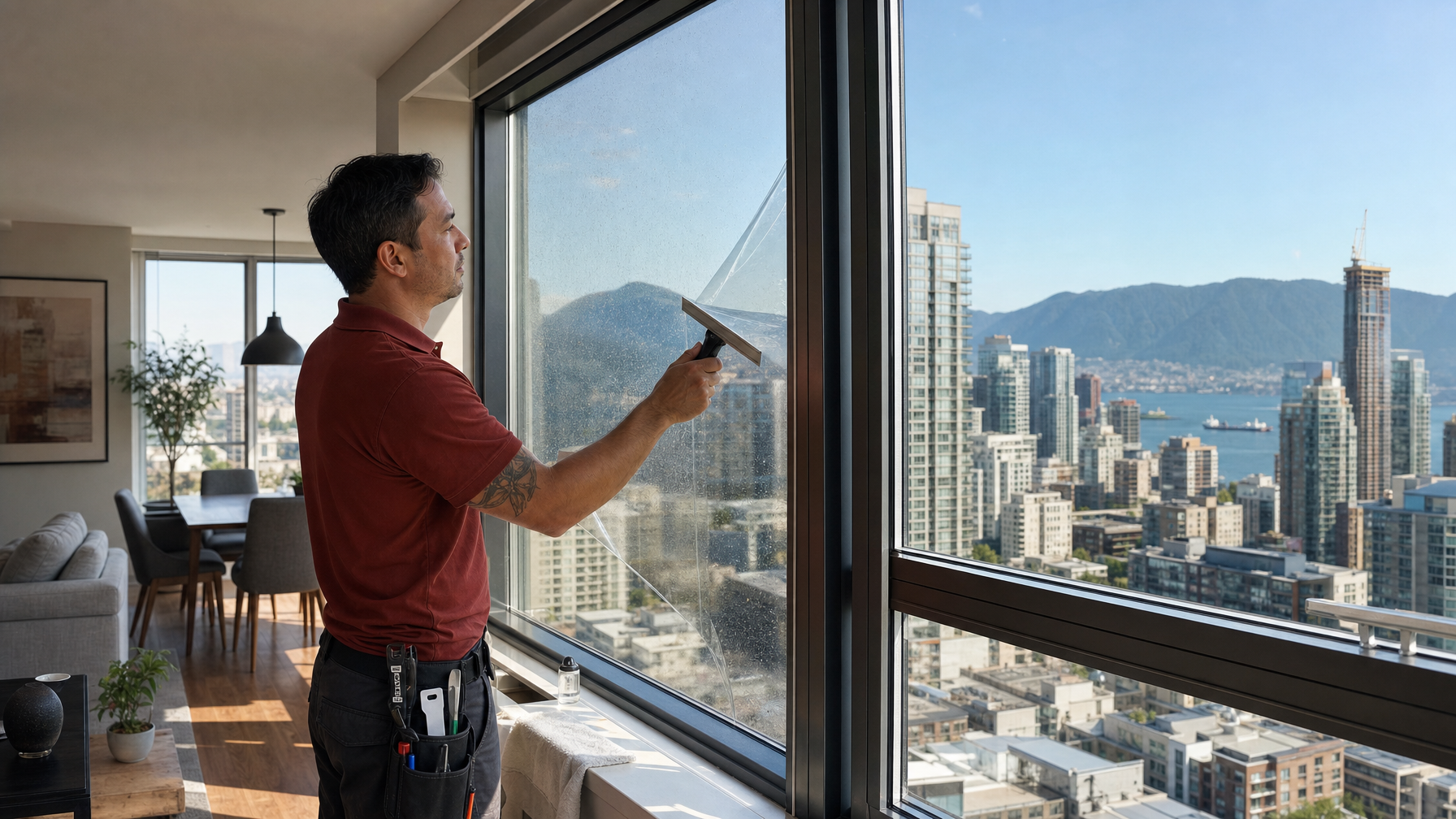
Project cost depends primarily on total glazing square footage, film type selected, and building access method. Ecovision installs film from ground-floor level up to high-rise heights, using suspended scaffolding or boom lift access where interior application is not possible, a common scenario for sealed curtain-wall buildings in Vancouver’s Yaletown and Coal Harbour corridors. For a detailed breakdown of film types, access logistics, and costs specific to glass towers, see the full guide to window film for high-rise buildings in Vancouver.
As a reference point: a 12-storey concrete strata in Burnaby with 96 suites and an average glazing area of 85 square feet per suite has approximately 8,160 square feet of total glass. At the mid-range ceramic solar film rate of $16 per square foot installed, that project totals approximately $130,560. A dyed hybrid film at $10 per square foot for the same building totals roughly $81,600. The variance underscores why film type selection, and an accurate site measure, is the most important cost variable in any strata project.
High-rise access adds cost: buildings requiring exterior boom lift or suspended platform access typically carry a 15–25% premium over ground-level interior installation. Ecovision accounts for access requirements in every written estimate, so there are no access surcharges on the final invoice.
What Results Do Strata Buildings See After Window Film Installation?
The three outcomes strata residents report most consistently after installation are reduced suite temperature, significantly lower glare on screens and furnishings, and a reduction in UV-related fading damage. LLumar and Vista solar films block 99% of UV radiation, the primary driver of fading in carpets, hardwood floors, and upholstered furniture, without visible tint that compromises daylight quality inside suites.
At a recent residential complex installation at Rosemary Heights in Surrey, a community with substantial south-facing glazing exposure, Ecovision’s post-installation temperature checks showed a measured reduction of 6–9°C in afternoon peak suite temperatures on south-facing floors. Residents reported that suites previously requiring portable air conditioning units from June through August maintained comfortable temperatures without supplemental cooling after the film was applied. That directly reduces the building’s peak electrical demand during summer months.
Privacy window film is a growing request from ground-floor and podium-level strata suites in Vancouver’s densifying neighbourhoods. Ecovision applies one-way solar privacy film to ground-floor glazing that allows occupants full outward sightlines while blocking pedestrian views during daylight hours, a practical solution for suites in corridors along Broadway, Cambie, and Hastings where new development has reduced setbacks and privacy.
What Should Strata Councils Ask Before Hiring a Window Film Installer?
Not all window film companies have experience with strata-scale installations. A company operating in the residential single-family market operates very differently from one that can coordinate multi-week access across a 25-storey tower with 200 occupied suites. Before signing any contract, strata councils and property managers should ask these six questions:
- What is your experience with occupied strata buildings? Request references from at least two multi-storey strata projects completed in the last three years.
- What film brands do you install? Ecovision installs LLumar and Vista, both carry manufacturer warranties of 10–15 years on commercial-grade products.
- Do you carry $5 million commercial general liability insurance? This is the standard minimum for any work performed on a strata building’s common property.
- How do you handle double-pane (IGU) compatibility? Certain high-performance films require thermal stress calculations before application to sealed insulated glass units. Confirm in writing that the recommended film is compatible with your existing glazing specification.
- What is your access plan for upper floors? Buildings above six storeys require a documented access method, interior-applied film using articulating platforms, or exterior boom lift, before the council approves any permit applications.
- What labour warranty do you provide? Film manufacturer warranties cover product defects; a separate labour warranty covers installation quality. Ecovision provides a written labour warranty on all strata installations.
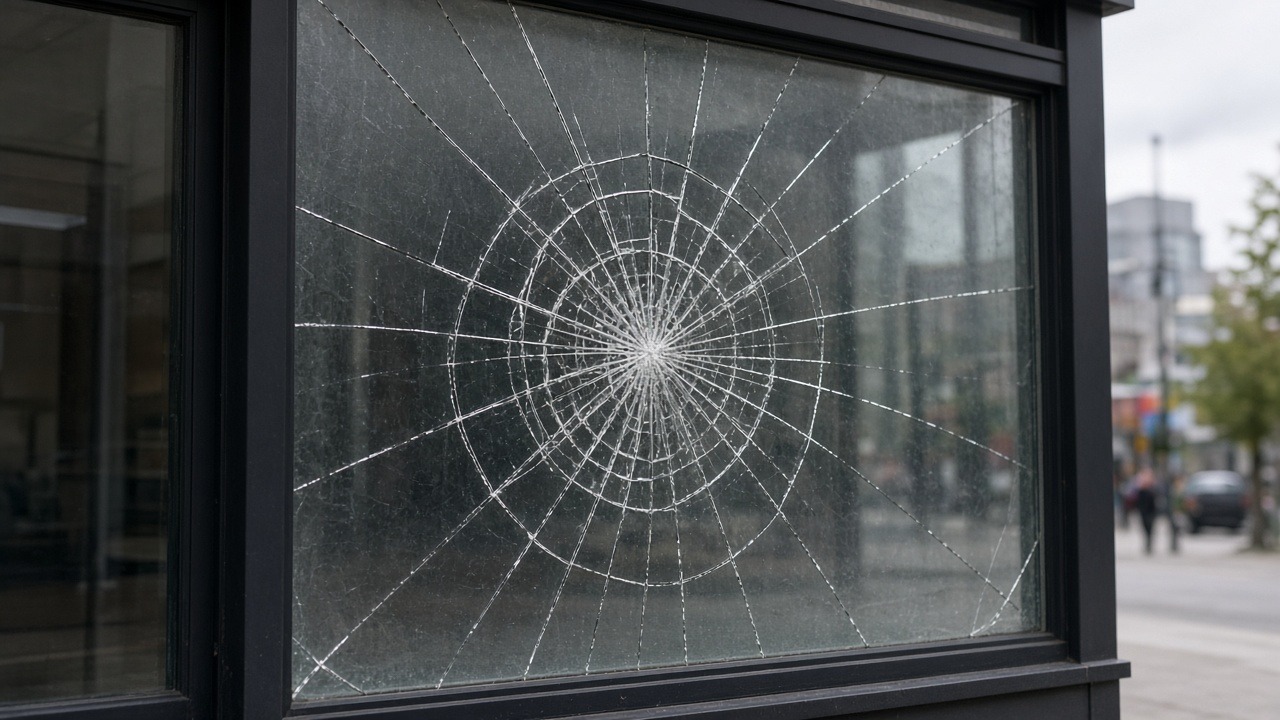
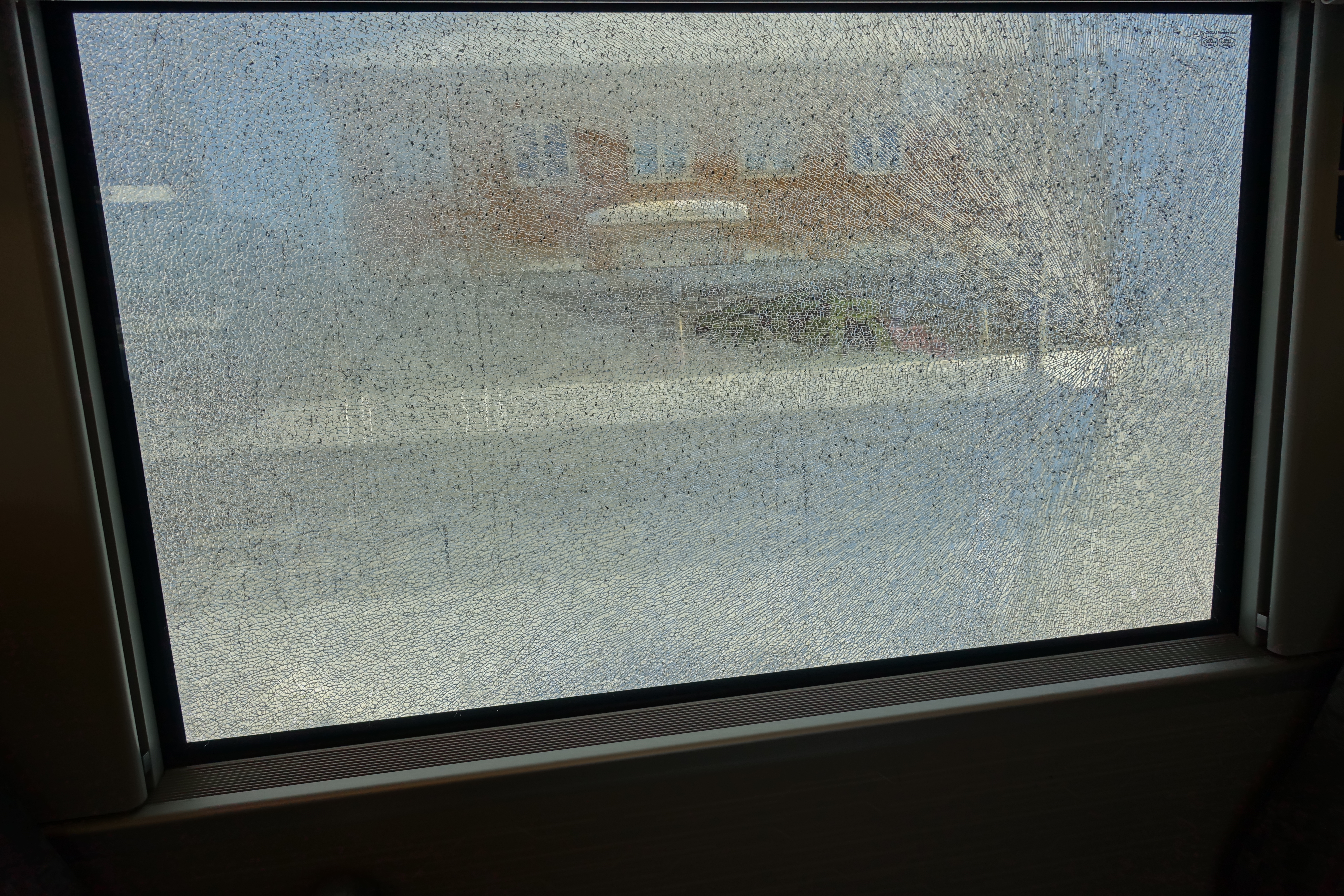
Property managers responsible for glass tower strata buildings can also review the full breakdown of film types, curtain-wall access requirements, and energy savings in our guide to window film for high-rise buildings in Vancouver. Strata councils managing buildings that have experienced glass-related security incidents should also review the security window film options available for ground-floor lobbies and parkade access points, these are typically added as a secondary scope to a solar control project for maximum cost efficiency.
Individual condo unit owners in strata buildings often prefer to act on their own unit before a building-wide program is approved. For unit-specific film options, strata approval steps, and per-unit cost breakdowns, see our guide on window film for condo buildings in Vancouver.
Related Articles
- Commercial Window Tinting in Vancouver: What Businesses Need to Know
- Government Building Window Film in BC
- Window Film for Office Buildings: 7 Questions Property Managers Ask
- Glare Reduction Window Film for BC Offices: How It Works, What to Expect, and What It Costs
- Security Window Film in Vancouver, BC: Types, Costs, and What Buildings Need It Most
Ready to get a quote for your strata building? Ecovision Window Films provides free on-site assessments for strata corporations across Vancouver, Burnaby, Surrey, and the Lower Mainland. Call (236) 862-0052 or visit ecovisioncanada.com/contact/ to schedule your assessment.
About the Author: This article was written by the Ecovision Window Films team, led by Xander, Co-Founder and Director of Operations at Ecovision. Xander brings over 10 years of hands-on installation experience, backed by a family with over 50 years in the installation trades, including window film. His military background reinforces the precision and discipline Ecovision applies to every project. Ecovision is a certified installer for leading film brands with completed projects for healthcare facilities, government buildings, and commercial properties throughout the Lower Mainland. For a free site assessment, call (236) 862-0052 or visit ecovisioncanada.com/contact/.