
Are Bird Safe Window Films Effective?
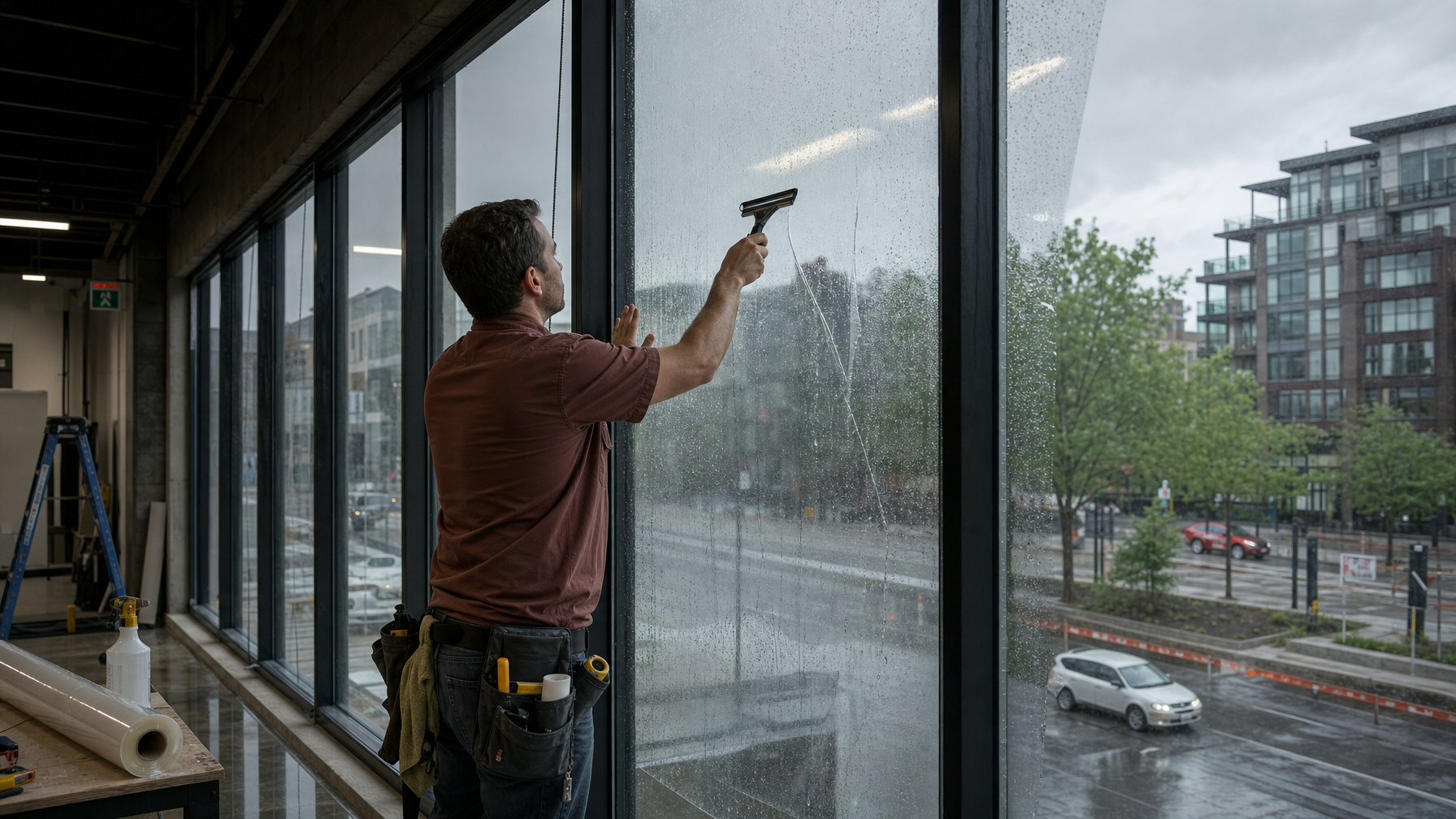
Bird safe window films are effective at reducing bird-window collisions when correctly selected and installed on the exterior surface of the glass. A 2023 peer-reviewed study (PeerJ) found that externally applied patterned films significantly increased bird avoidance behaviour. Properly installed films reduce collisions by 76 to 94 percent depending on pattern type and spacing.
Why Do Birds Collide with Windows?
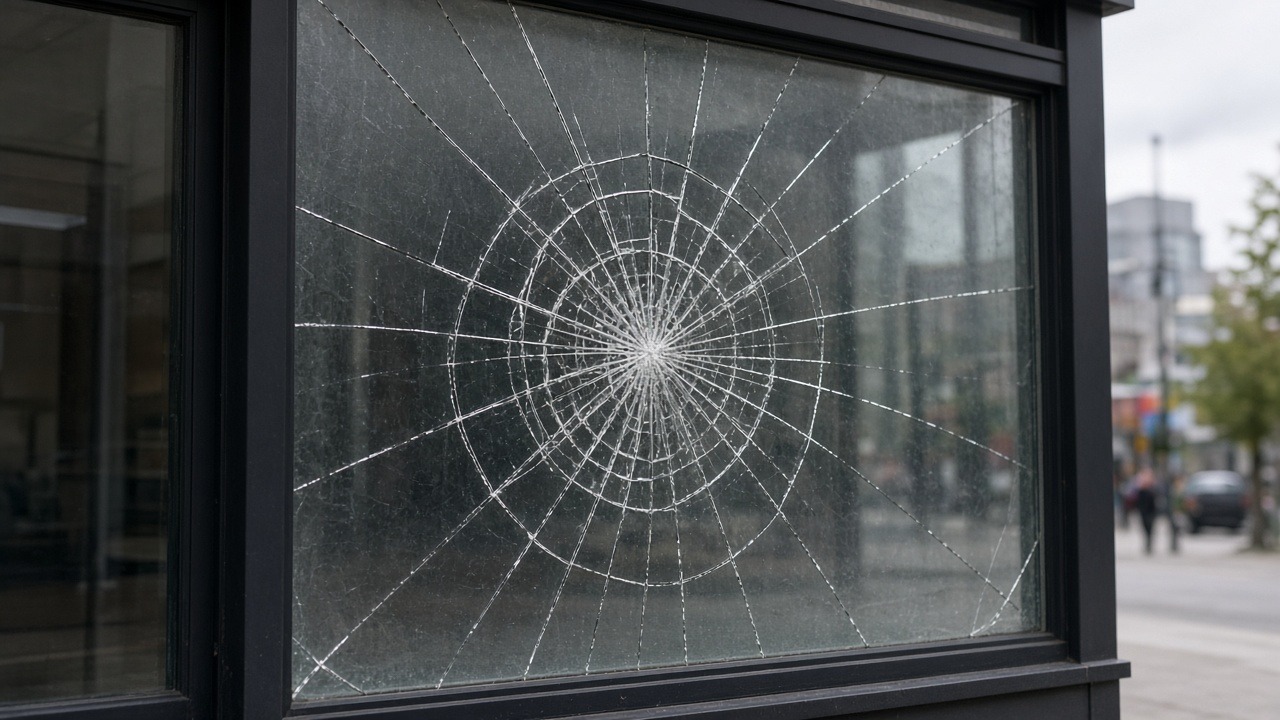
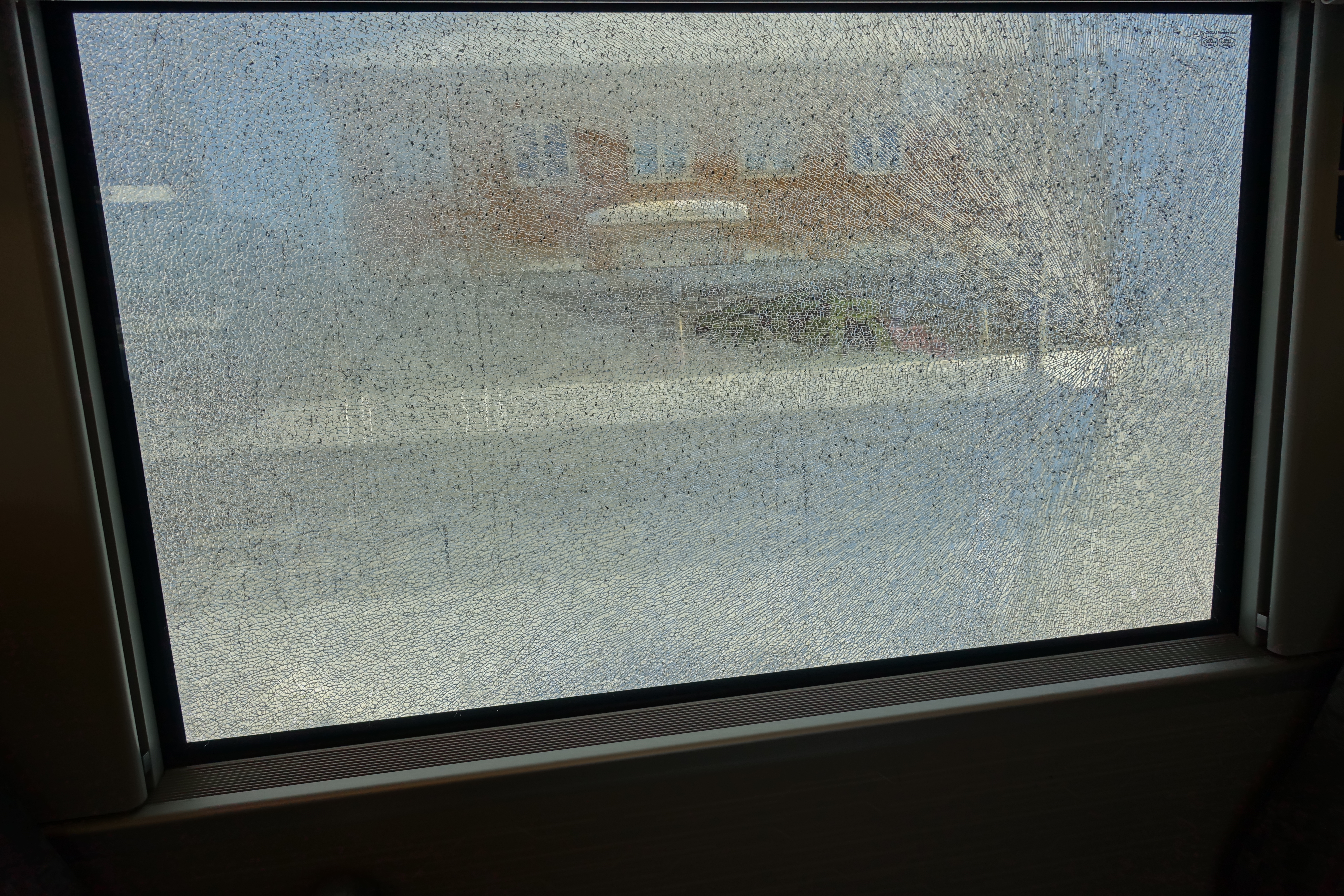
Birds cannot perceive glass as a barrier. They either see the sky or vegetation reflected in the glass and fly toward it, or they see through the glass to a plant or open space on the other side. Either way, the glass is invisible to them.
In Metro Vancouver and the Lower Mainland, migratory corridors along the Pacific Flyway pass directly through urban areas. Buildings with large glass facades in Richmond, Burnaby, downtown Vancouver, and emerging municipalities like Port Moody sit in the path of millions of migrating birds each year. FLAP Canada (Fatal Light Awareness Program) estimates that between 16 and 42 million birds die annually from window strikes in Canada alone.
Ecovision Window Films has installed bird safe window film across Metro Vancouver, including the Rocky Mountaineer Railtours facility at 225 W 2nd Ave, Vancouver, a glass-heavy commercial building near the False Creek waterway, one of the higher-risk migratory corridors in the city.
Do Bird Safe Window Films Actually Work? What the Research Says
Yes, but effectiveness depends on two critical variables: pattern design and placement on the glass.
A 2023 peer-reviewed study published in PeerJ (Swaddle et al.) tested multiple film types on actual building glass and found that externally applied films increased bird avoidance significantly compared to untreated glass, while internally applied films showed no measurable improvement. Birds simply could not detect the pattern through the outer pane.
A separate American Bird Conservancy (ABC) study found that films meeting the 2×4 rule, pattern elements spaced no more than 2 inches vertically by 4 inches horizontally, reduce bird strikes by up to 94%.
British Columbia’s CSA A460 Bird-Friendly Building Design standard, referenced in new construction requirements across several Metro Vancouver municipalities, aligns directly with the ABC spacing criteria. Any bird safe film installed in BC should meet or exceed CSA A460 to comply with current bird-friendly building requirements.
| Film Type | Collision Reduction | Key Requirement |
|---|---|---|
| Dot/fritting pattern (exterior) | 76–94% | Must meet 2×4 spacing rule |
| Vertical line pattern (exterior) | 70–90% | Lines no more than 2″ apart |
| UV-reflective film (exterior) | 73–91% | Invisible to humans; visible to birds |
| Any film on interior glass | Negligible | Not recommended |
What Makes a Bird Safe Film “Effective”?
Three factors determine whether a film performs as intended.
1. Exterior installation
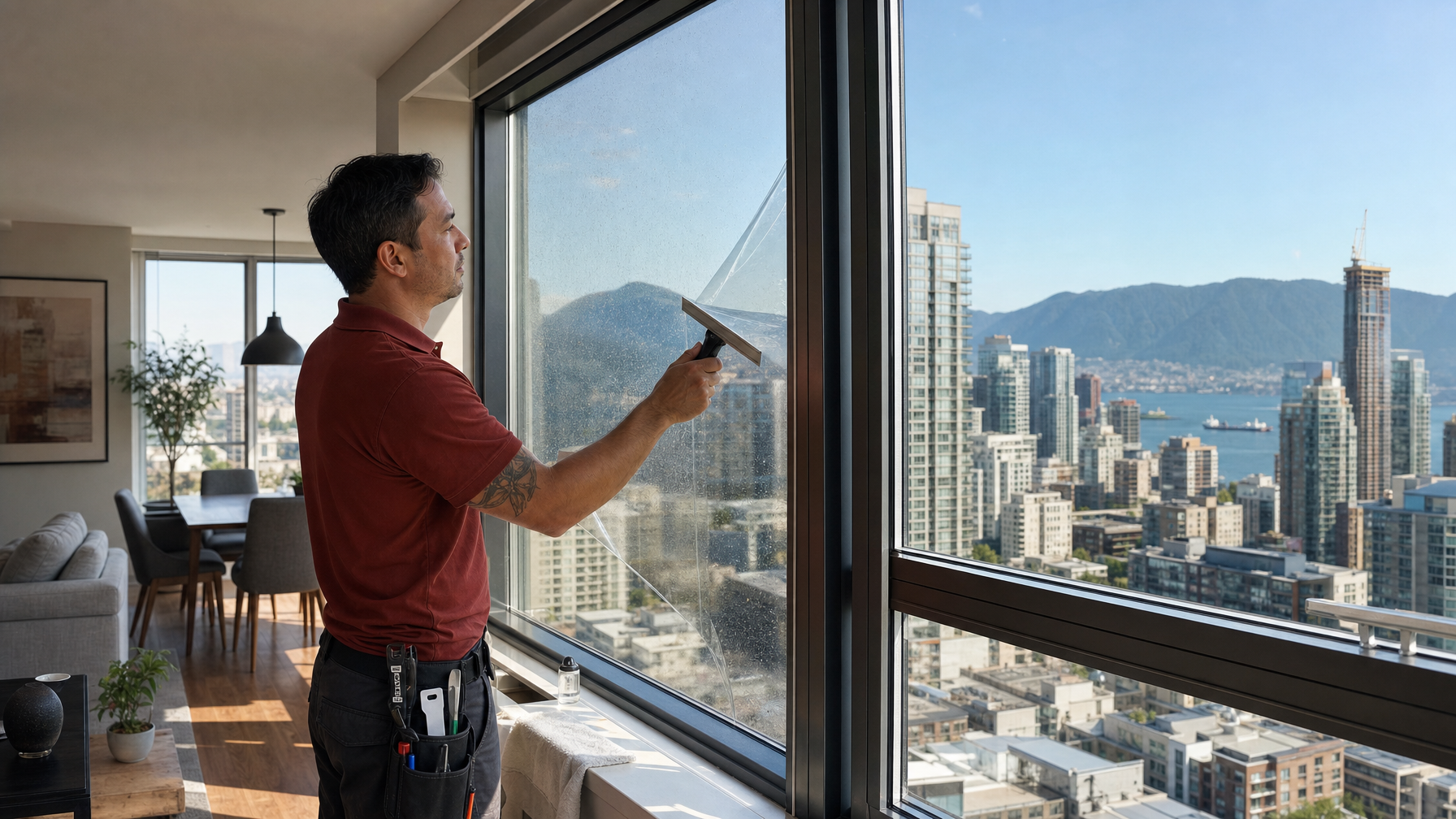
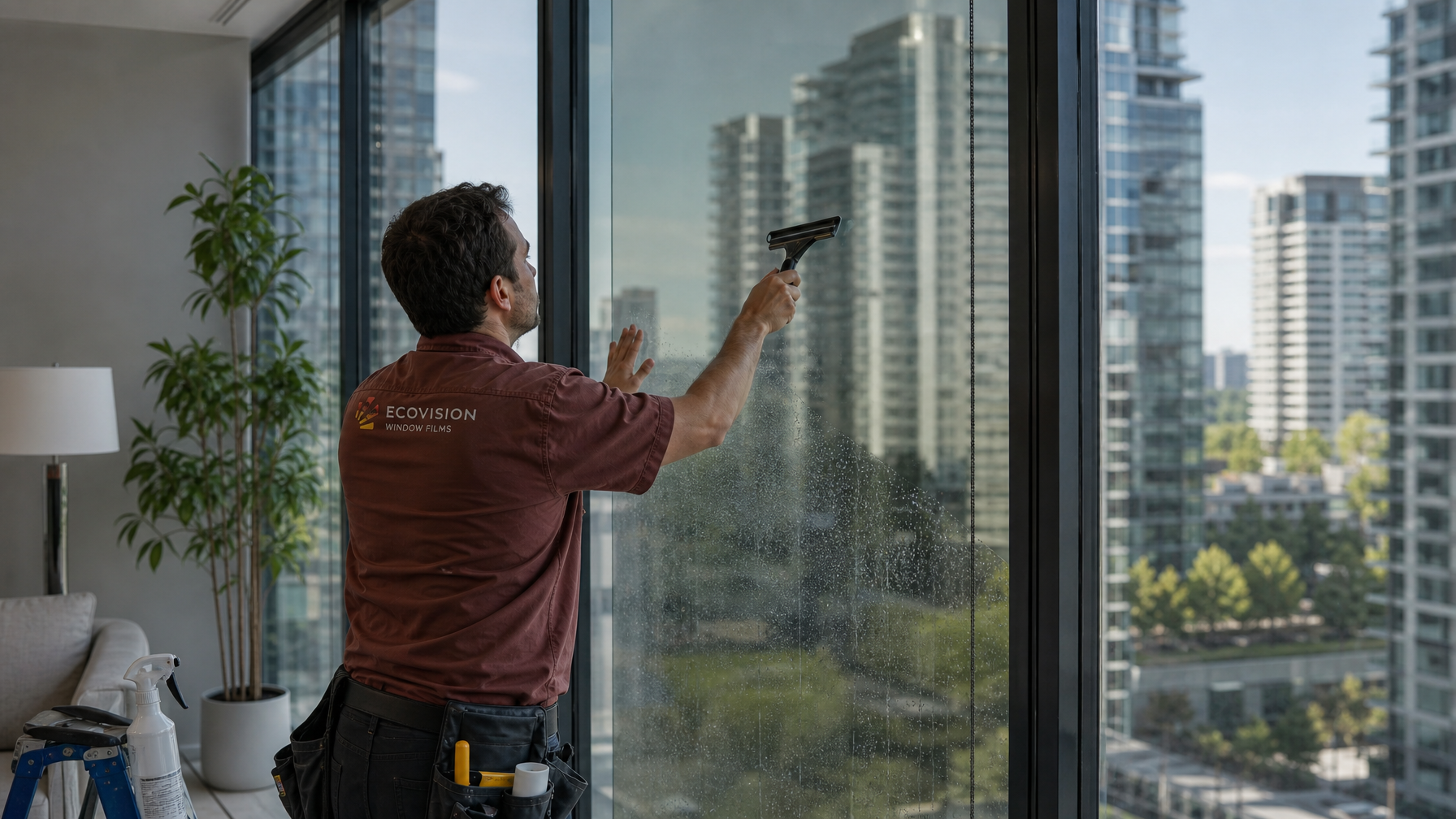
This is the single most important factor. Films applied on the inside of double-pane glass are ineffective, the reflection from the outer pane obscures the pattern entirely. Ecovision installs bird safe film on the exterior surface exclusively for this reason. If your current installer suggests inside application, the film will not work.
2. Pattern spacing
The ABC’s Threat Factor 4 rating, the highest certification available, requires pattern elements spaced no more than 2 inches apart vertically and 4 inches apart horizontally. Films that appear bird safe but do not meet this spacing look the part without functioning correctly.
3. Film grade and adhesive durability
Exterior films face UV radiation, rain, and freeze-thaw cycles year-round. In BC’s coastal climate, only commercial-grade films with UV-stabilised adhesives maintain their bond integrity over a 7–10 year lifespan. LLumar and Vista certified films, the brands Ecovision installs, carry exterior-rated warranties appropriate for Lower Mainland weather conditions.
How Much Does Bird Safe Window Film Cost in BC?
Professionally installed bird safe window film in BC typically ranges from $10 to $18 per square foot, depending on film grade, building height, and access requirements. High-rise buildings requiring a swing stage or boom lift carry a higher installation premium. For a full price comparison between bird safe and standard window film types, including UV-pattern, stripe, frosted, and solar film, see our guide on bird safe window film cost vs. regular film in BC.
For context: replacing a glass panel after a collision-damage claim costs $400–$2,000 per panel depending on size and specification. Most strata buildings with significant bird strike histories recover the film cost within two to three years through avoided glass replacement and reduced insurance claims.
Which BC Buildings Need Bird Safe Window Film Most?
Bird safe film suits any building near trees, water, or open sky, but certain building types carry elevated collision rates:
- Commercial towers with reflective curtain-wall facades
- Strata buildings with glass balconies overlooking parks or inlets
- Healthcare facilities with landscaped atriums and exterior gardens
- Government buildings near ravines, parks, or urban green corridors
- Heritage buildings on corner lots with large, unreflective glazing
For commercial window film services, Ecovision assesses each building’s glass-to-vegetation ratio, sun angle, and proximity to water or open sky before recommending a specific film type.
Is Bird Safe Window Film Required by Law in BC?
Not universally, but requirements are tightening. Vancouver’s Bird Friendly Building Design Guidelines (2021) require bird-friendly glazing treatments on new construction meeting specific height and glazing area thresholds. Burnaby, Coquitlam, and Port Moody have adopted or are reviewing similar requirements under Metro Vancouver’s regional biodiversity framework.
For existing building retrofits, bird safe film remains voluntary in most BC municipalities. However, strata councils in LEED-certified buildings and properties pursuing BREEAM certification increasingly need to address bird collision risk as part of their sustainability reporting. The regulatory trend across the Lower Mainland is toward mandatory treatments, retrofitting now puts buildings ahead of future requirements.
What to Ask Before Buying Bird Safe Window Film
Before any installation, confirm the following with your installer:
- Is the film rated by the American Bird Conservancy (Threat Factor 3 or 4)?
- Will it be installed on the exterior glass surface?
- Does it meet CSA A460 pattern spacing requirements?
- What is the exterior warranty period and what does it cover?
- Does the supplier carry LLumar or Vista certified films?
If an installer cannot answer these questions confidently, the film may not perform as advertised. For a free site assessment at your Lower Mainland property, contact Ecovision Window Films at (236) 862-0052 or visit the Bird Safe Windows service page.
Related Articles
- Bird Safe Window Film Patterns: Dot, Line & UV, Which Works Best?
- How Does Bird Safe Window Film Work? The Science Behind UV Patterns
- Bird Safe Window Film Cost vs. Regular Film: What BC Property Owners Need to Know
- Government Building Window Film in BC: Security, Privacy and Compliance
- Commercial Window Tinting in Vancouver: What Businesses Need to Know
FAQ
Are bird safe window films effective at preventing all bird collisions?
No film eliminates 100% of collisions, but certified bird safe films reduce strikes by 76–94% when applied to the exterior glass surface with correct pattern spacing. Externally applied patterned films meeting the American Bird Conservancy’s 2×4 spacing rule deliver the strongest documented results. Internally applied films have shown no measurable effectiveness in controlled studies.
How much does bird safe window film cost in Vancouver or the Lower Mainland?
Professionally installed bird safe window film in BC ranges from $10 to $18 per square foot. High-rise installations requiring elevated access equipment carry an additional premium. For a typical strata suite balcony with 50 sqft of glass, total installed cost is typically $500–$900.
Does bird safe window film look noticeably different from regular window film?
Most bird safe films are barely visible at normal viewing distance. Dot pattern films use small, evenly spaced marks, while UV-reflective films are transparent to the human eye but visible to birds due to their UV sensitivity. The patterns meet strict spacing requirements without significantly affecting outward views.
Is bird safe window film required for BC buildings?
Vancouver’s Bird Friendly Building Design Guidelines (2021) require bird-friendly glazing on qualifying new construction. Strata building retrofits are voluntary in most BC municipalities for now, though sustainability certifications like LEED and BREEAM increasingly require collision risk reporting. Regulation is tightening across Metro Vancouver.
How long does bird safe window film last on an exterior surface in BC’s climate?
Commercial-grade exterior bird safe films in BC typically last 7–10 years. LLumar and Vista certified films installed by Ecovision carry manufacturer warranties suited to BC’s coastal climate, covering UV degradation and adhesive failure under freeze-thaw conditions.
About the Author: This article was written by the Ecovision Window Films team. Edward, Director at Ecovision, brings a distinctive perspective to the window film industry, with over a decade in real estate development, including roles as Executive Director at a real estate development firm and Director of Strategic Partnerships, before joining Ecovision. That background gives the company a sharp edge in serving BC property managers and building owners. Ecovision is a certified installer for leading film brands with completed projects for healthcare facilities, government buildings, and commercial properties throughout the Lower Mainland. For a free site assessment, call (236) 862-0052 or visit ecovisioncanada.com/contact/.