
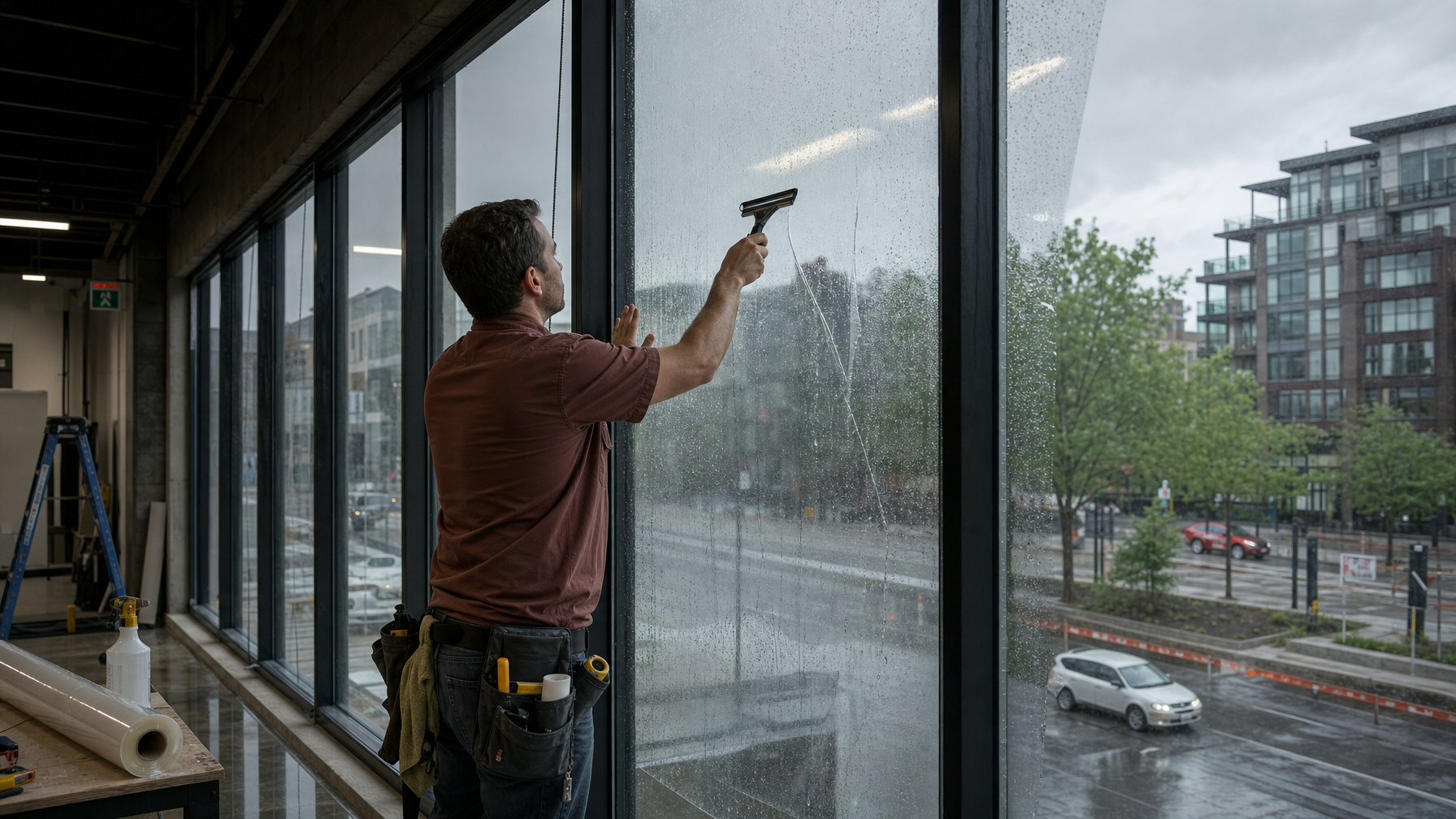
Yes, bird safe window film works, but effectiveness depends entirely on two factors: where it’s installed and whether it meets spacing standards. A 2023 peer-reviewed study published in PeerJ found that films applied to the exterior surface of glass reduced bird collisions significantly, while identical films applied to the interior surface showed no measurable reduction. Films meeting CSA A460 marker spacing (5×5 cm or tighter) show up to 94% collision reduction in field tests. Films that don’t meet spacing standards leave gaps birds fly through.
What the Research Actually Shows
The most rigorous study on bird safe window film effectiveness, published in PeerJ in February 2023 by researchers at William & Mary’s Institute for Integrative Conservation, tested films applied to both interior and exterior glass surfaces. The results were unambiguous: only exterior-applied films reduced collisions. Interior films, regardless of pattern or opacity, produced no statistically significant improvement.
Earlier field studies from the American Bird Conservancy showed collision reductions of 50–94% for films meeting their Threat Factor threshold, a measure of visual detectability to birds. Products with a Threat Factor score under 30 (ABC’s recommended threshold) consistently reduce collisions by at least 50% under real-world conditions.
The CSA A460 Bird-Friendly Building Design standard, Canada’s national benchmark, establishes minimum marker spacing of 5×5 cm across the entire glass surface. Films meeting this standard, properly installed on the exterior, represent the highest-confidence solution currently available.
Why Some Bird Safe Films Don’t Work
Not all bird-safe film patterns are equal. Three failure points account for most ineffective installations:
Interior installation. The 2023 PeerJ study confirmed this definitively. Birds detect visual cues from outside the glass, a film on the interior is masked by the glass surface’s reflectivity and offers no deterrent signal.
Insufficient marker spacing. Sparse patterns leave gaps larger than 5×5 cm. Birds don’t avoid the glass as a whole, they avoid individual markers. Gaps between markers are simply treated as clear flight paths. A film with beautiful dot patterns spaced 10 cm apart provides almost no protection.
UV-only films in low-UV conditions. Some films use UV-reflective markers invisible to humans but detectable by birds, which can see UV light through tetrachromatic vision. For a detailed look at how bird safe window film works at the physics and biology level, see our science guide. These films work well in direct sunlight but are less effective on overcast days, north-facing windows, or shaded building facades, all common in BC’s climate.
What a 94% Reduction Actually Means in Practice
If your building currently causes 50 bird strikes per year, a modest estimate for a medium-sized commercial building near urban green space, a 94% reduction means 3 strikes per year instead of 50. For a residential home with two large picture windows in a bird-active neighbourhood, the reduction might go from 10–15 strikes annually to 1–2.
No film eliminates collisions entirely. The goal is reduction to a level that removes meaningful harm to local bird populations and eliminates the building’s legal exposure under the Migratory Birds Convention Act.
How to Verify a Film Is Actually Effective
Before choosing a bird safe film product or installer, check these three things:
- CSA A460 compliance, ask specifically whether the film meets the 5×5 cm marker spacing standard
- Exterior installation, confirm the film is applied to the outside surface of the glass, not inside
- ABC Threat Factor rating, for products tested by the American Bird Conservancy, look for a Threat Factor score under 30
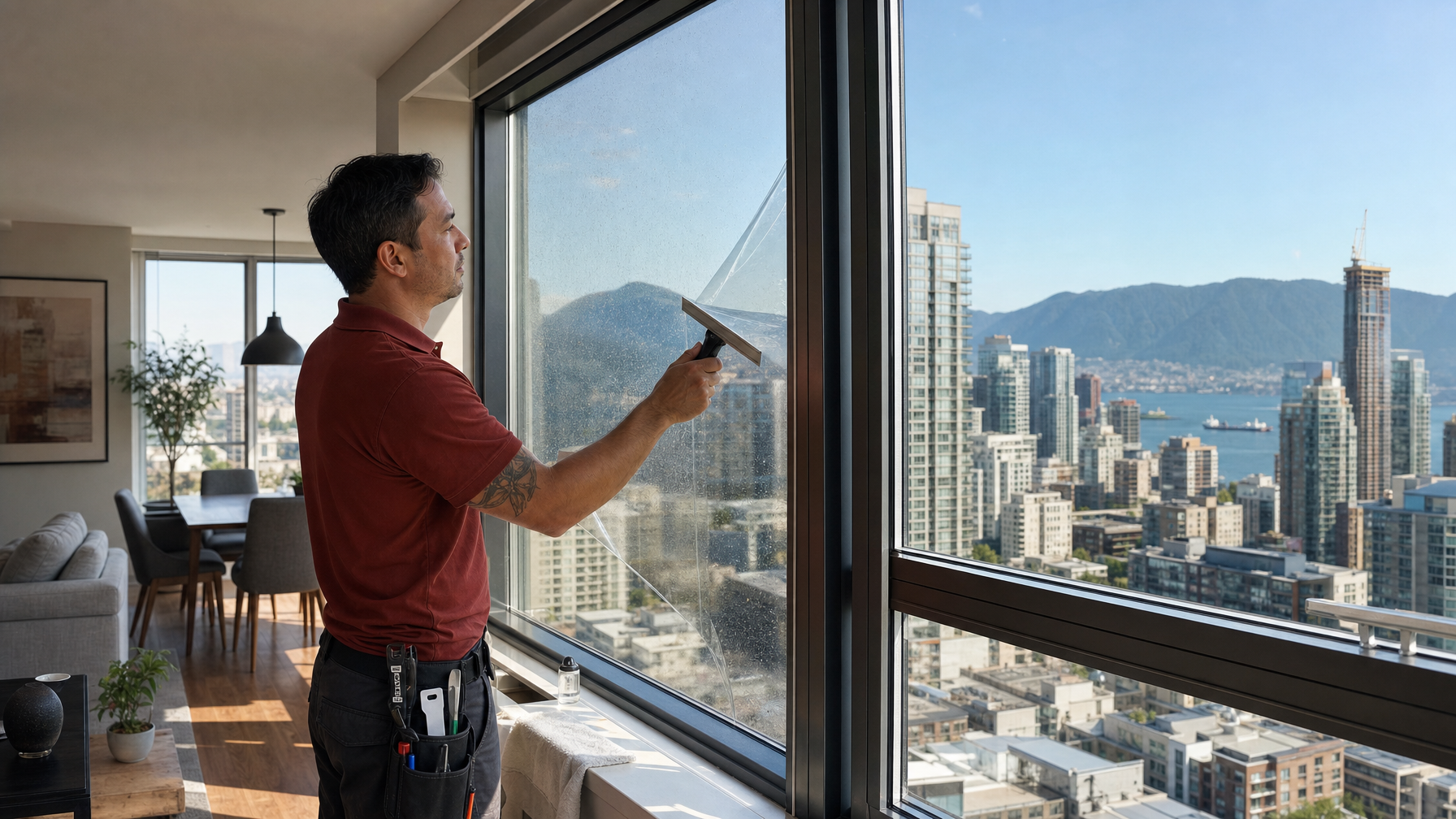
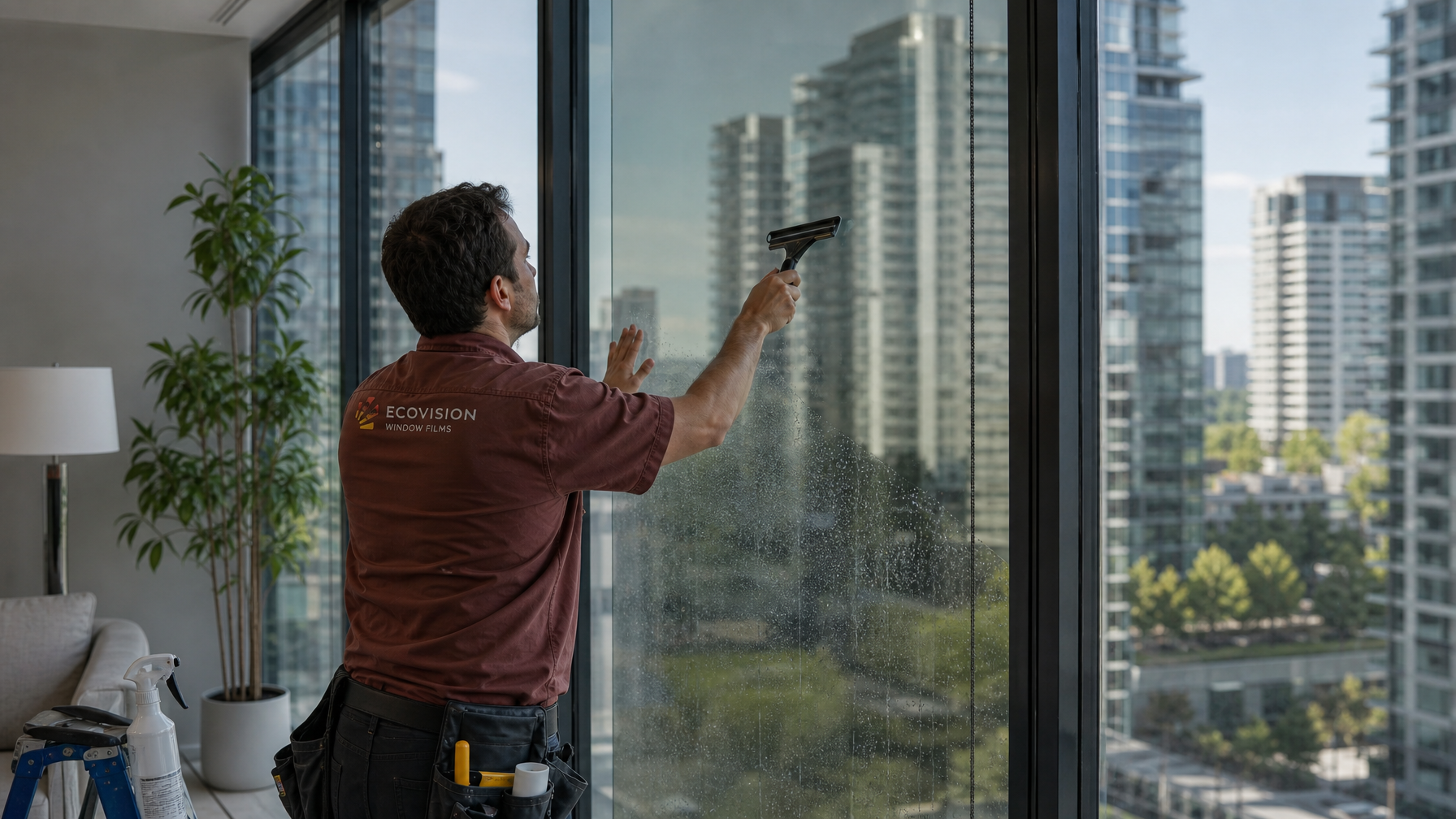
At Ecovision Window Films, every bird safe installation uses CSA A460-compliant films applied to the exterior surface. Call (236) 862-0052 for a free assessment of your building’s collision risk.
Related Articles
- Bird Safe Window Film Patterns: Dot, Line & UV, Which Works Best?
- Bird Safe Window Film in BC and Canada: What It Is, How It Works, and Why Buildings Need It
- Bird Safe Window Film for Commercial Buildings & High-Rises in BC
- Commercial Window Film Installation in Vancouver: Types, Costs, and What to Expect
- Window Film Vancouver: Types, Costs, and What to Know Before You Buy
About the Author: This article was written by the Ecovision Window Films team. Edward, Director at Ecovision, brings a distinctive perspective to the window film industry, with over a decade in real estate development, including roles as Executive Director at a real estate development firm and Director of Strategic Partnerships, before joining Ecovision. That background gives the company a sharp edge in serving BC property managers and building owners. Ecovision is a certified installer for leading film brands with completed projects for healthcare facilities, government buildings, and commercial properties throughout the Lower Mainland. For a free site assessment, call (236) 862-0052 or visit ecovisioncanada.com/contact/.