
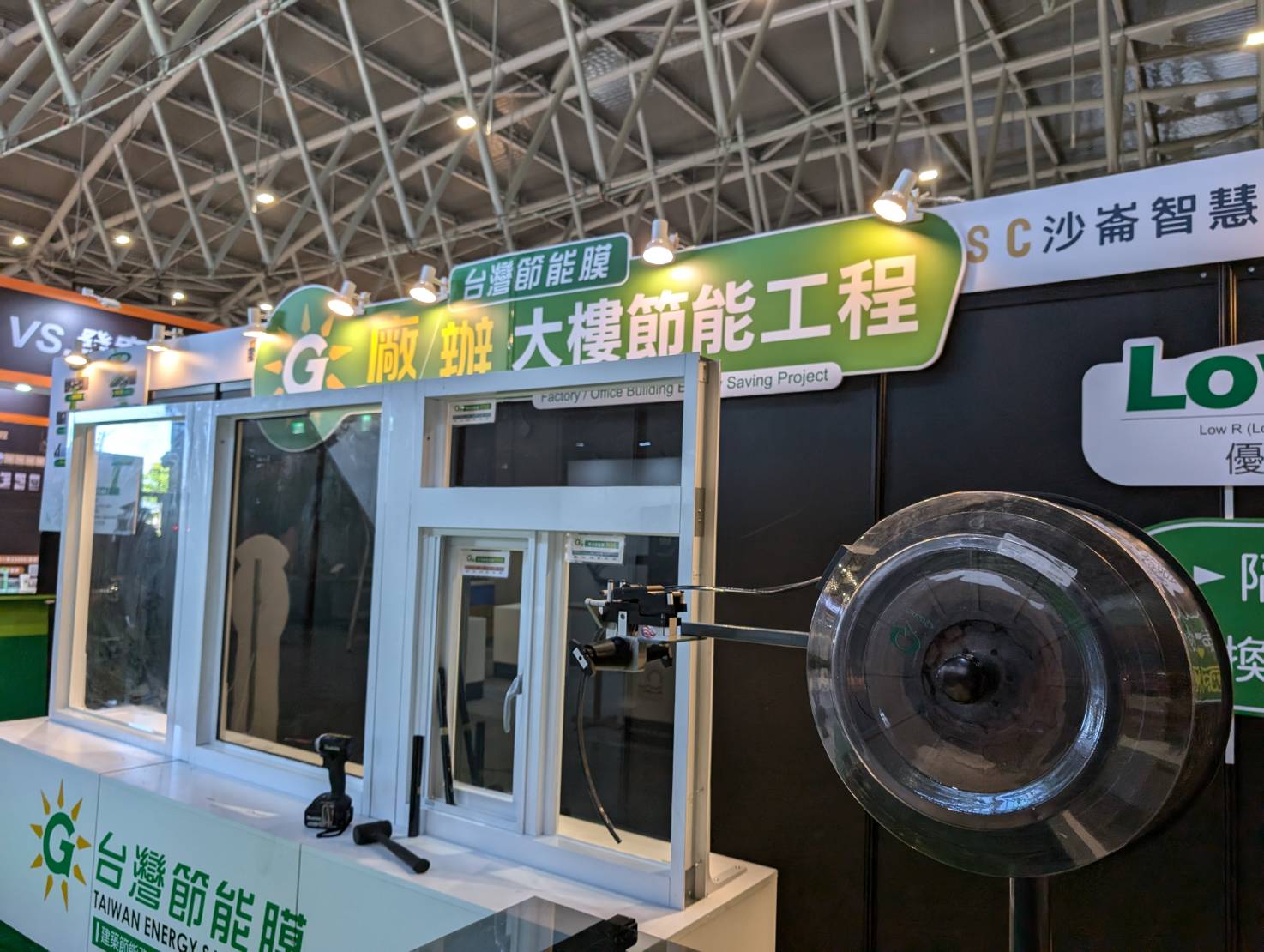
Window film can last 10, 25 years when installed by a certified professional, but there comes a time when it needs to come off, the adhesive has yellowed, bubbles have formed beneath the surface, or you are upgrading to a higher-performance product. Done incorrectly, DIY removal risks scratching glass, leaving adhesive residue behind, or breaking the seal on double-pane units. This guide covers the tools, technique, and professional thresholds BC property owners need to know.
The short answer: To remove window film. Construction plastic is a different product; use our guide on how to remove old plastic film from glass, score a corner with a single-edge razor blade at 30 degrees, peel the film in slow even strips, then dissolve remaining adhesive with isopropyl alcohol (70%+) or a commercial adhesive remover. Most single windows take 30, 60 minutes per pane. Ecovision Window Films handles professional removal across Vancouver and the Lower Mainland, including on tempered, laminated, and double-pane glass.
Why Do BC Property Owners Remove Window Film?
Film does not last forever. In Metro Vancouver’s climate, where UV exposure runs from May through September and coastal humidity accelerates adhesive breakdown, older dyed films typically show visible degradation between years 7 and 12. The most common reasons Ecovision receives removal requests include:
- Bubbling and delamination, dyed and low-grade polyester films lose adhesive bond integrity as the UV-absorbing dye layer breaks down over time
- Yellowing or purple tinting, a sign that the dye has shifted wavelength, common in films installed before 2010
- Upgrading to modern film, switching from an older tinted film to a ceramic or spectrally selective film that performs better without the visual haze
- Lease-end requirements, commercial tenants in Vancouver often must restore glass to original condition before vacating
- Post-renovation rebranding, strata councils and property managers replacing decorative or privacy film with a new design
What Tools Do You Need to Remove Window Film?
The right tools make the difference between a one-hour job and a two-day frustration. Avoid metal scrapers with multiple-edge blades, they introduce micro-scratches into tempered glass. Use single-edge razor blades only, held at a 30-degree angle to the glass.
| Tool | Purpose | Notes |
|---|---|---|
| Single-edge razor blade (30°) | Score corners and lift film edges | Replace blade every 2, 3 windows |
| Spray bottle with soapy water | Keep glass wet during removal | Use mild dish soap only |
| Plastic squeegee | Push adhesive residue while wet | Soft rubber edge, no metal |
| Isopropyl alcohol (70, 99%) | Dissolve adhesive residue | Apply with lint-free cloth |
| Commercial adhesive remover | Heavy adhesive on older films | Goo Gone or equivalent, rinse well |
| Clean microfibre cloths | Final wipe-down | Avoid paper towel, leaves lint |
How Do You Remove Window Film? Step-by-Step
This process applies to standard single-pane and double-pane windows. Do not attempt DIY removal on windows with Low-E coatings applied directly to the glass surface, those require professional assessment to avoid coating damage.
- Wet the glass, spray the window surface thoroughly with soapy water. This prevents the razor blade from dry-scratching the glass and lubricates the film during removal.
- Score a corner, use a single-edge razor blade at 30 degrees to lift one corner of the film. Work from the corner rather than the centre, film tears less predictably when started mid-pane.
- Peel in slow, consistent strips, once a corner is free, pull the film back at 180 degrees (folding it back on itself), not at 90 degrees. Pulling at 90 degrees tears the film into small pieces, multiplying your work. Keep the pace slow and even, fast pulls stress the adhesive and leave more residue.
- Keep the surface wet throughout, spray soapy water on the glass continuously as you peel. This lubricates the adhesive layer and significantly reduces tearing.
- Dissolve the adhesive residue, once the film layer is off, a cloudy or sticky adhesive layer typically remains on the glass. Spray isopropyl alcohol directly onto the residue and let it sit for 60 seconds before wiping with a microfibre cloth. For thick or old adhesive, use a commercial adhesive remover applied with a cloth, never spray it near the glass edge seal on double-pane units.
- Final clean, wipe the glass with a clean microfibre cloth and standard glass cleaner. Check at an angle under direct light for any remaining haze or residue before moving to the next window.
What Makes Window Film Adhesive Hard to Remove?
Adhesive difficulty is directly related to film age and original product quality. Films installed more than 15 years ago, particularly the dyed polyester films common in BC commercial buildings during the early 2000s, use pressure-sensitive acrylic adhesives that bond more aggressively to glass over time as the plasticiser migrates. Ecovision has removed 20-year-old security film from commercial properties in Vancouver where the adhesive required 2, 3 hours of work per large window, compared to 30 minutes for a newer ceramic film.
Tempered glass adds another variable. Tempered glass has a surface hardness of approximately 6 on the Mohs scale and is more susceptible to micro-scratching from debris trapped under a razor blade. For large commercial tempered windows, Ecovision uses a steam-based softening process before any mechanical removal, this reduces adhesive bond strength without contacting the glass surface directly, protecting WorkSafeBC-compliant glass in high-traffic public buildings.
Can Window Film Removal Damage Your Glass?
Yes, incorrectly done, it can. The two most common types of damage are:
- Micro-scratching, caused by dragging a razor blade over tempered glass with debris present, or using a worn multi-edge blade. These scratches are typically 1, 3 microns deep and visible under direct light at certain angles.
- Seal failure on double-pane units, applying solvent-based adhesive removers near the edge seal of an insulated glass unit (IGU) can break down the butyl seal. Once the seal fails, moisture enters the glass cavity and the pane fogs permanently, a repair that costs $300, 800 per unit in Vancouver.
Both outcomes are preventable. Keep all solvents at least 2 cm from the glass edge and frame, replace razor blades frequently, and never use abrasive pads on tempered glass. If you are unsure whether your glass is tempered, check the corner of the pane for a printed manufacturer’s mark, required under ANSI Z97.1 for all safety-rated glazing sold in Canada.
When Should You Hire a Professional for Window Film Removal in Vancouver?
DIY removal is reasonable for single-pane residential windows with newer film under 10 years old. Consider hiring a professional if any of the following apply:
- The film is more than 12 years old
- The glass is tempered (required in doors, sidelites, or any glazing within 500mm of a walking surface under BC Building Code)
- You are working on double-pane or triple-pane IGUs where edge seal integrity is critical
- The building is a strata or commercial property where glass damage liability is significant
- The window shows scratches or haze from a previous failed removal attempt
For residential window film services across the Lower Mainland, Ecovision provides removal as a standalone service or as part of a remove-and-replace package when upgrading to newer film. At the Rosemary Heights residential complex in Surrey, Ecovision removed and replaced 14-year-old solar film across 62 windows over two days, with zero seal failures reported on the property’s double-pane units.
What Does Professional Window Film Removal Cost in BC?
Professional removal in the Lower Mainland typically runs $3, 8 per square foot depending on film type, age, and window accessibility. A standard residential window of approximately 15 square feet costs $45, 120 to remove professionally. For commercial properties, particularly strata buildings, office towers, and government facilities, remove-and-replace packages are usually more cost-effective than removal alone, since the surface preparation work overlaps. New film installation pricing starts at $9 per square foot installed for standard residential films and ranges to $22 per square foot for premium spectrally selective or safety-rated products.
If you are replacing privacy window film in Vancouver, current LLumar and Vista certified options include micro-patterned frosted films, dual-reflective films, and printed ceramic films that maintain daylight transmission while controlling visibility, a significant improvement over the adhesive-backed vinyl products commonly applied in the 2000s. For upgrading UV window film, modern ceramic products block 99% of UV-A and UV-B without measurable reduction in visible light, far above what degraded older films deliver.
Related Articles
- How Long Does Professionally Installed Window Film Last in BC?
- UV Window Film for BC Homes and Buildings: What It Blocks, What It Costs, and What to Expect
- Energy Efficient Window Film in Vancouver: What It Saves, What It Costs, and What to Install
- Privacy Window Film in Vancouver: Types, Costs, and What to Know Before You Install
- Is Shatter Resistant Film the Same as Safety Film? What BC Property Owners Need to Know
About the Author: This article was written by the Ecovision Window Films team. Edward, Director at Ecovision, brings a distinctive perspective to the window film industry, with over a decade in real estate development, including roles as Executive Director at a real estate development firm and Director of Strategic Partnerships, before joining Ecovision. That background gives the company a sharp edge in serving BC property managers and building owners. Ecovision is a certified installer for leading film brands with completed projects for healthcare facilities, government buildings, and commercial properties throughout the Lower Mainland. For a free site assessment, call (236) 862-0052 or visit ecovisioncanada.com/contact/.