
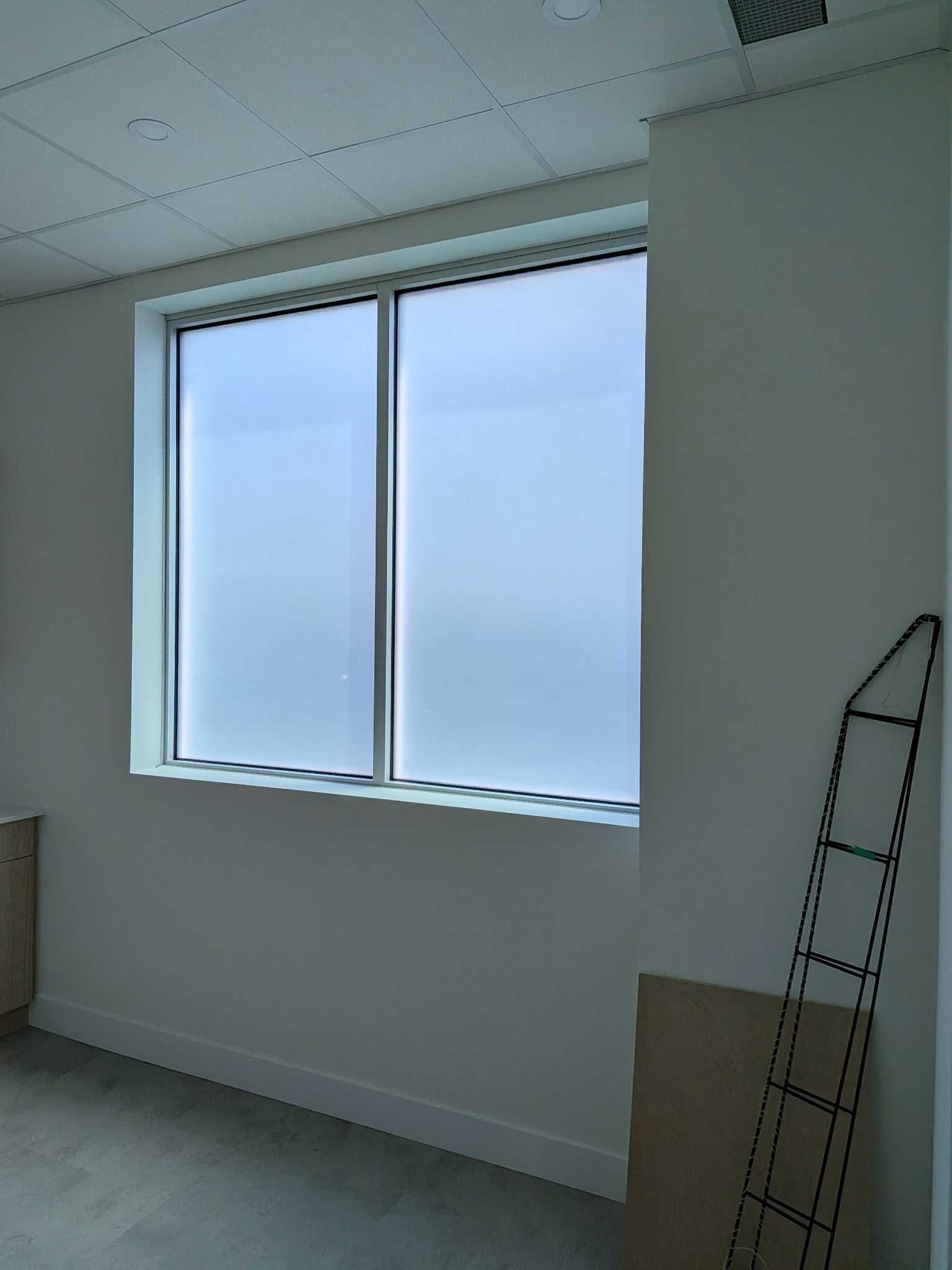
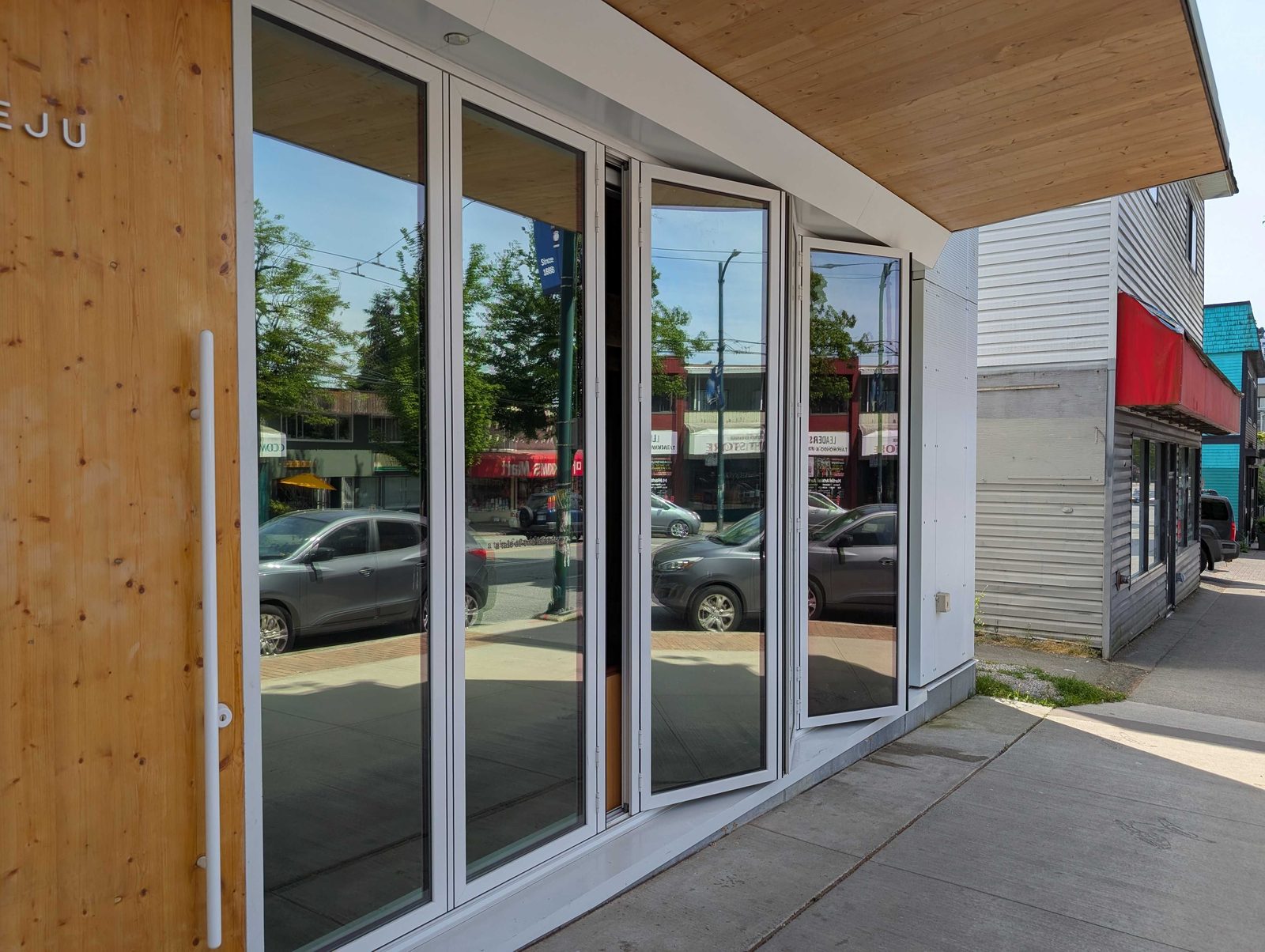
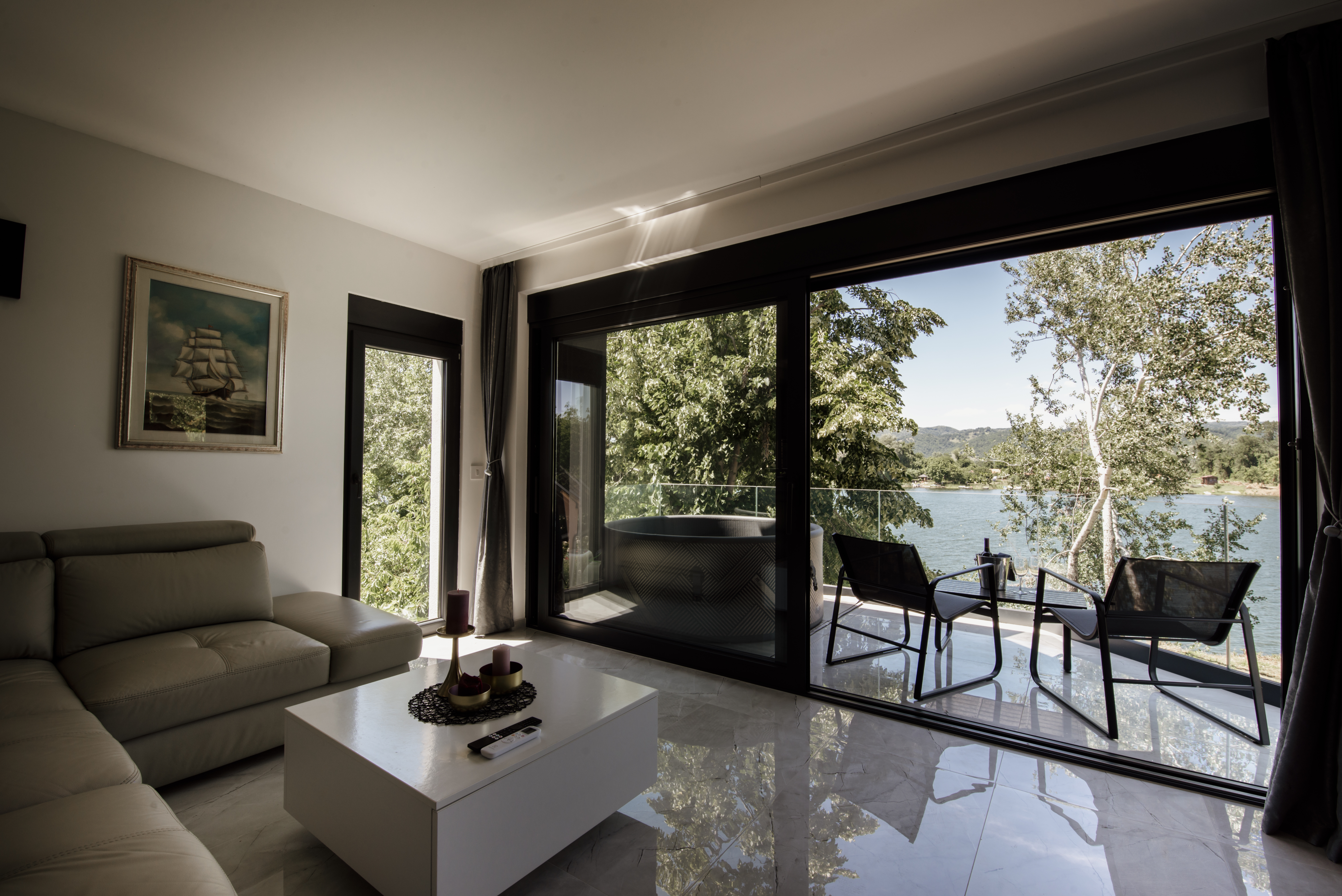
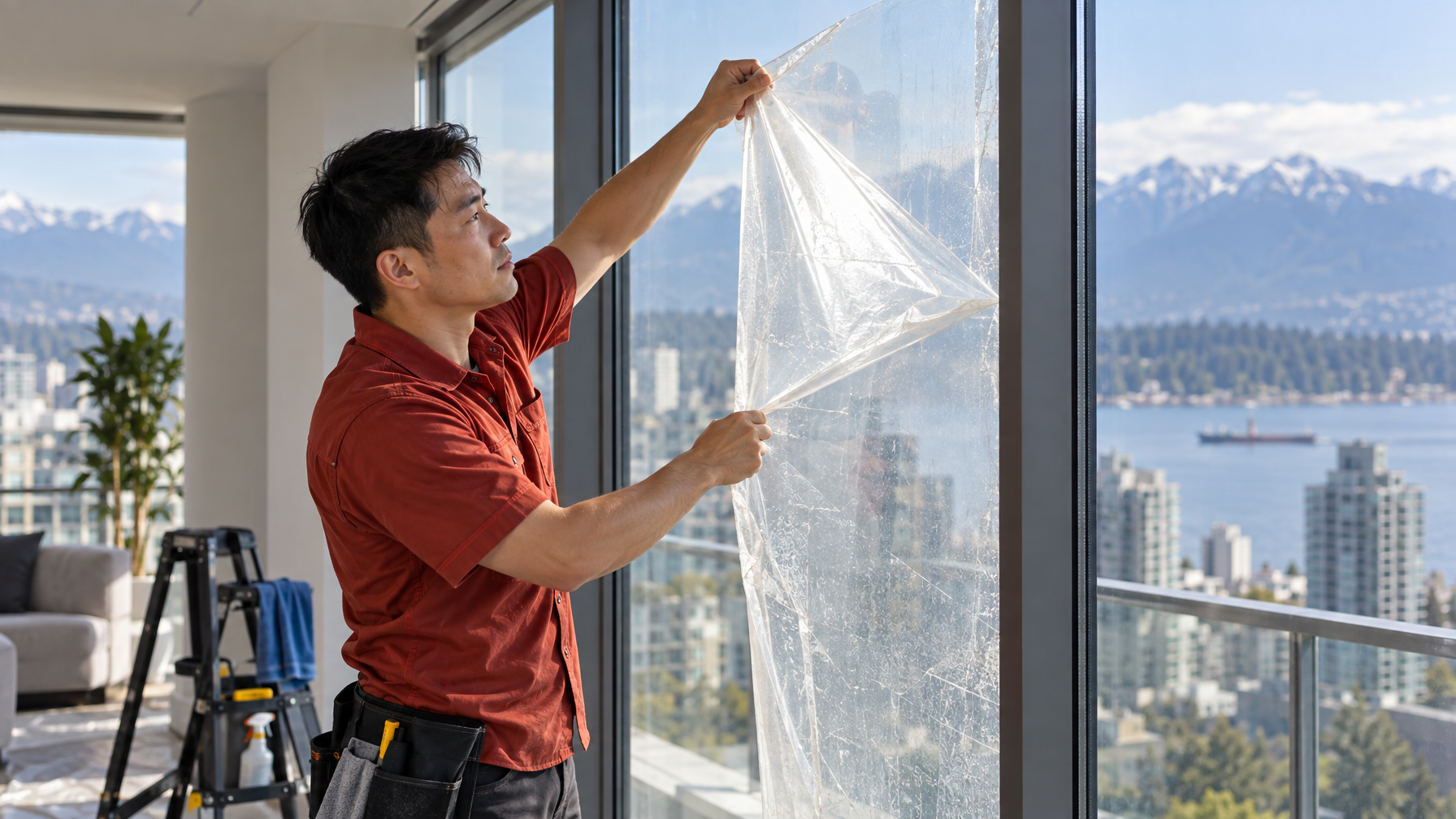
Homeowners and property managers across Vancouver and the Lower Mainland frequently ask Ecovision Window Films the same question before committing to an installation: how long will this actually last? It is a fair question, and the answer is more specific than most suppliers let on. Film type, glass orientation, BC’s coastal climate, and installation quality all play a material role in determining whether your film reaches the bottom of its service range or well beyond its warranty period.
Professionally installed window film lasts between 10 and 25 years in BC, depending on film type, glass orientation, and sun exposure. Interior-mounted ceramic and nano-ceramic films carry manufacturer warranties of 10, 15 years, with select Vista products offering lifetime coverage for residential purchasers. Ecovision Window Films provides certified LLumar and Vista installations across Vancouver and the Lower Mainland.
What Is the Average Lifespan of Window Film in BC?
The average professionally installed interior window film lasts 10, 20 years in Metro Vancouver under normal residential or commercial use. That range narrows significantly based on the film category. Standard dyed films, the lowest-cost product tier, typically begin showing colour shift, hazing, or edge peeling within 5, 8 years of installation. Mid-range metalized films hold up for 10, 15 years. Premium ceramic and nano-ceramic films, which make up the majority of Ecovision’s residential work, routinely reach 15, 25 years before showing conditions that warrant replacement.
Exterior-mounted films have a shorter service life, typically 5, 10 years, because they face direct UV radiation, rain, and temperature cycling on the exposed film surface rather than the protected interior. Ecovision recommends interior installation wherever glass and frame design allow, precisely because it extends effective lifespan by a factor of two or more compared to exterior-mounted alternatives.
What Factors Affect How Long Window Film Lasts?
Film longevity is not uniform across a single building. In a two-storey Vancouver home with south-facing windows on one side and north-facing on the other, the same film installed on the same day may perform noticeably differently within 10 years. The five most influential variables are:
- Glass orientation: South and west-facing windows receive direct solar exposure for more hours per day and experience greater thermal cycling, the expansion and contraction of the glass substrate, which stresses the adhesive bond over time. Ecovision typically recommends higher-grade ceramic film for south-facing exposures specifically because of this thermal load.
- Film type: Dyed films absorb solar heat. As the dye degrades under prolonged UV exposure, colour shift and hazing follow. Metalized films reflect heat rather than absorb it, reducing thermal degradation. Ceramic films use inorganic materials resistant to UV-induced colour change, which is the primary reason they outlast dyed and metalized products by 5, 10 years.
- Installation quality: Improperly applied film, air pockets at the adhesive layer, contamination during installation, or misaligned edges, dramatically shortens service life. Professional installation uses manufacturer-specified mounting solutions and ensures complete adhesive contact across the full panel surface.
- Cleaning practices: Ammonia-based glass cleaners (standard sprays typically contain 5, 10% ammonia) degrade the film adhesive when used repeatedly on the interior surface. Film-safe cleaning requires mild dish soap and lukewarm water applied with a soft cloth or rubber squeegee.
- Glass type compatibility: Low-emissivity (Low-E) glass requires specific film compatibility verification. An incompatible film installed on Low-E glass creates heat stress that can crack the glass pane and void the insulated glass unit (IGU) warranty. Ecovision assesses all glazing types before recommending a product.
Film Type vs. Expected Lifespan in BC: A Comparison
The table below compares common film categories by expected service life, typical warranty coverage, and professional installed cost range for BC residential applications.
| Film Type | Expected Lifespan | Typical Warranty | Installed Cost (BC) |
|---|---|---|---|
| Standard dyed film | 5, 8 years | 2, 5 years | $8, $13 per sq ft |
| Metalized / reflective film | 10, 15 years | 5, 10 years | $11, $16 per sq ft |
| Ceramic / nano-ceramic film | 15, 25 years | 10, 15 years (lifetime on select Vista products) | $14, $22 per sq ft |
| Safety / security film | 10, 20 years | 5, 10 years | $12, $20 per sq ft |
| Exterior-mounted film | 5, 10 years | 3, 5 years | $12, $18 per sq ft |
Ecovision sources exclusively from LLumar and Vista, two manufacturers with some of the strongest warranty programs available to certified installers in Canada. Both brands offer manufacturer-backed warranties transferable within the property, which adds documented resale value for residential homeowners.
Does BC’s Climate Shorten or Extend Window Film Life?
Compared to drier interior markets like Kelowna or the Okanagan, Metro Vancouver’s coastal climate is generally gentler on window film. Vancouver’s UV index averages 4, 6 during peak summer months, lower than Alberta’s 7, 9 and significantly below the BC Interior’s peak readings of 8, 10 on clear days. Metro Vancouver logs approximately 2,000 hours of sunshine annually, and frequent overcast periods reduce cumulative UV exposure on glazing relative to the province’s interior, which directly translates to slower dye and adhesive degradation.
The coastal humidity introduces one risk that is less common in dry markets. Film improperly sealed at the edges, a frequent outcome with DIY installation kits, can allow moisture to migrate under the adhesive over months or years, eventually causing bubbling and delamination from the inside out. This failure mode appears consistently in Vancouver homes where edge sealing was skipped or applied incorrectly. Ecovision’s standard installation includes perimeter edge sealing on all interior residential and commercial projects, directly addressing this coastal-specific failure mode and helping film reach the upper end of its expected service range.
What Warranty Should You Expect from Professional Window Film Installation?
Manufacturer warranties for professionally installed residential film in BC typically cover three failure categories: adhesive failure (bubbling, delamination, or edge peeling not caused by physical damage or improper cleaning), colour stability (hazing, discolouration, or fading beyond acceptable tolerances), and film integrity (cracking, crazing, or material breakdown under normal indoor conditions).
LLumar residential films carry a 10-year manufacturer warranty when installed by a certified dealer. Select Vista residential ceramic films include a lifetime warranty for the original purchaser, one of the strongest warranty positions available in the BC market. Both warranties are voided by cleaning with ammonia-based products, physical abrasion, or installation over glass types incompatible with the specific product being applied.
For commercial applications, such as Ecovision’s installation at Bentall 4 in downtown Vancouver, warranties are structured by project specification, covering 5, 10 years depending on film grade and building access conditions. High-traffic ground-floor glazing typically uses heavier commercial films with 8, 10 year warranty terms built into the project scope.
How to Extend the Life of Your Window Film
Film that reaches the top of its expected service range consistently does so because of straightforward maintenance practices. The following steps apply to all interior-mounted residential and commercial film in the Lower Mainland:
- Wait 30 days before the first cleaning. Newly installed film requires a full adhesive cure period. Cleaning before the bond fully sets can cause streaking, water marks, and premature edge lifting, particularly on south-facing windows that warm quickly during the first weeks post-installation.
- Use only film-safe cleaners. Mix a small amount of mild dish soap with lukewarm water. Avoid any product containing ammonia, vinegar, or abrasive compounds. Standard glass sprays available at BC hardware stores are not safe for window film surfaces.
- Use a soft rubber squeegee or microfibre cloth. Abrasive cloths and paper towels create micro-scratches that compromise the film surface over time, reducing optical clarity and UV-blocking performance before the film has reached its natural end-of-life.
- Inspect edges annually. Check the perimeter seal once per year, particularly around windows near exterior doors or high-traffic areas. Minor edge lifting caught early can be professionally re-sealed. Ignored, it accelerates adhesive failure across the full panel.
- Keep the film surface free of stickers, tape, and suction cups. Adhesive items applied directly to film pull the surface layer on removal. Over time, these contact points cause localised delamination that can void manufacturer warranty coverage for the affected area.
When Should You Replace Your Window Film?
Film replacement is warranted when any of the following conditions are present, regardless of the film’s age:
- Bubbling across more than 10% of the panel area, indicates widespread adhesive failure that cannot be repaired on a panel-by-panel basis
- Visible purple or brown colour shift in dyed film, the dye has photodegraded and the film is no longer providing meaningful solar heat or UV protection
- Persistent haze or milky appearance, typically indicates moisture migration under the adhesive, common after 10+ years in coastal climates without proper edge sealing
- Edge peeling beyond 5 mm from the frame, once peeling reaches this stage, re-application is more cost-effective than attempting repair
- Visible scratching across primary sightlines, deep scratching cannot be polished out and requires full panel replacement
Replacement residential window film in BC costs $8 – $22 per square foot installed depending on film type and access conditions, for a full breakdown by film category, see our 2026 window film cost guide for BC. Before scheduling a replacement, review our complete guide to removing window film without damaging your windows, it covers safe DIY removal techniques for newer film and explains the conditions where professional removal is the better choice for older or tempered glass. Ecovision provides free on-site assessments for homeowners and property managers who are uncertain whether existing film needs full replacement or can be extended with professional cleaning and edge re-sealing, a significantly lower-cost option when the film is otherwise structurally sound.
Related Articles
- Privacy Window Film in Vancouver: Types, Costs, and What to Know Before You Install
- UV Window Film for BC Homes and Buildings: What It Blocks, What It Costs, and What to Expect
- Does Window Film Lower Cooling Costs in North Vancouver?
- How Does One-Way Glass Work? The Physics Behind One-Way Window Film
- Window Film in Burnaby, BC: Types, Costs, and What to Know Before You Buy
About the Author: This article was written by the Ecovision Window Films team, led by Xander, Co-Founder and Director of Operations at Ecovision. Xander brings over 10 years of hands-on installation experience, backed by a family with over 50 years in the installation trades, including window film. His military background reinforces the precision and discipline Ecovision applies to every project. Ecovision is a certified installer for leading film brands with completed projects for healthcare facilities, government buildings, and commercial properties throughout the Lower Mainland. For a free site assessment, call (236) 862-0052 or visit ecovisioncanada.com/contact/.
Ready to find out how long your windows will last, or whether your existing film needs replacement? Call Ecovision Window Films at (236) 862-0052 or book a free on-site assessment. We serve Vancouver, Burnaby, Surrey, Richmond, Coquitlam, and across the Lower Mainland.