
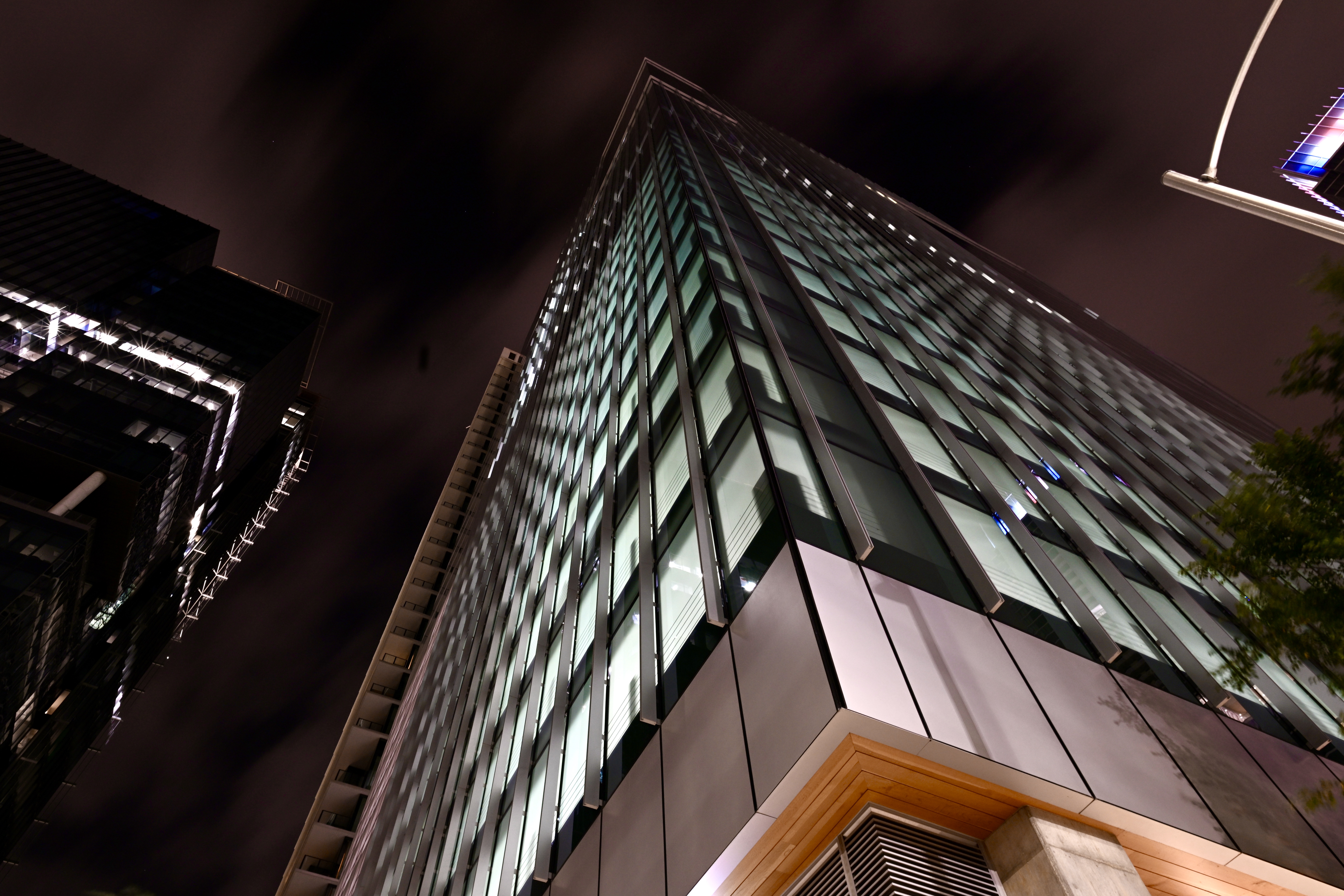
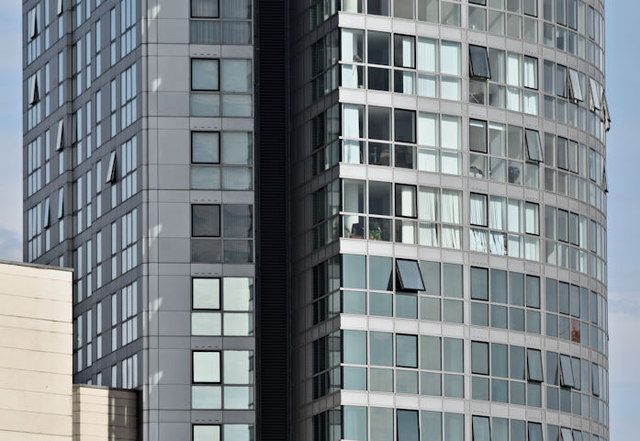
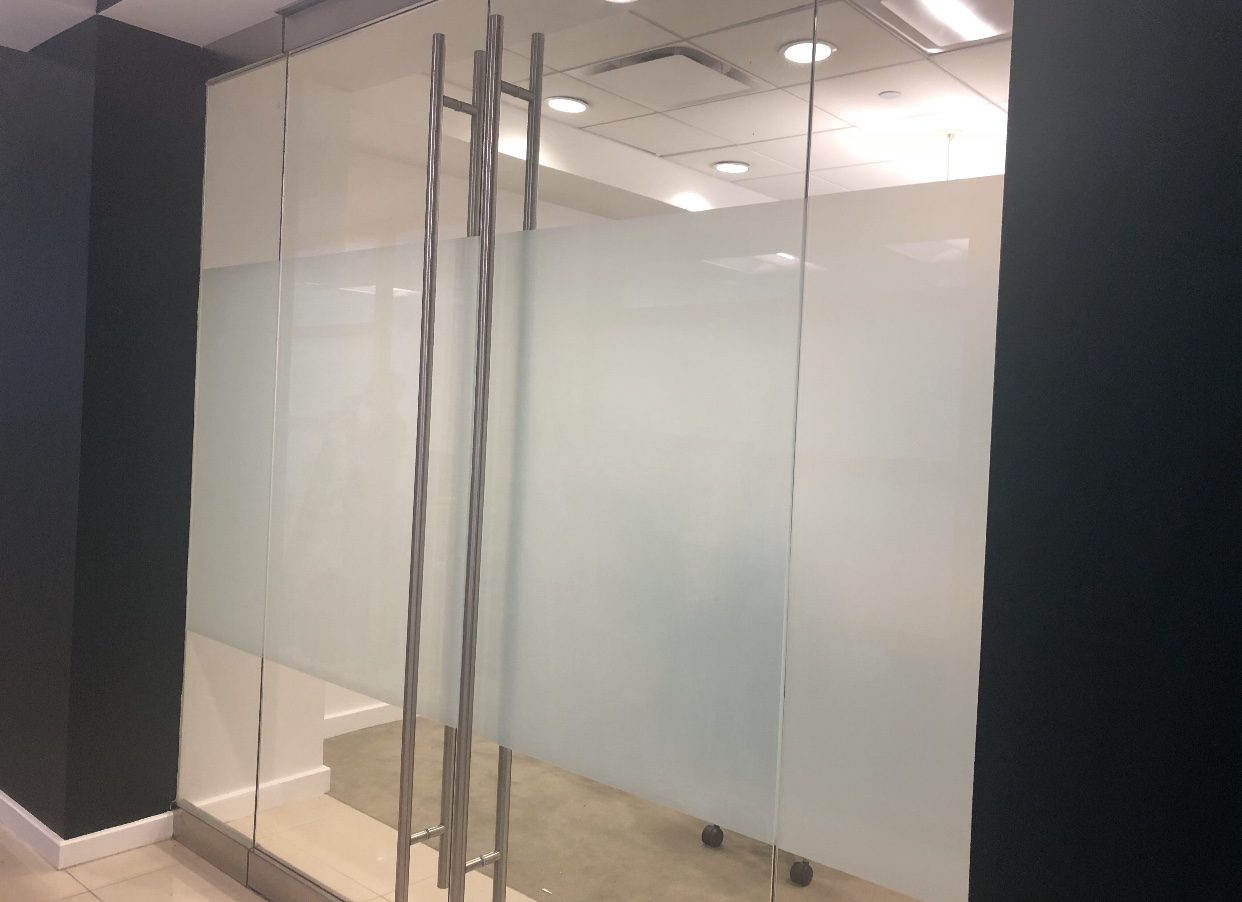
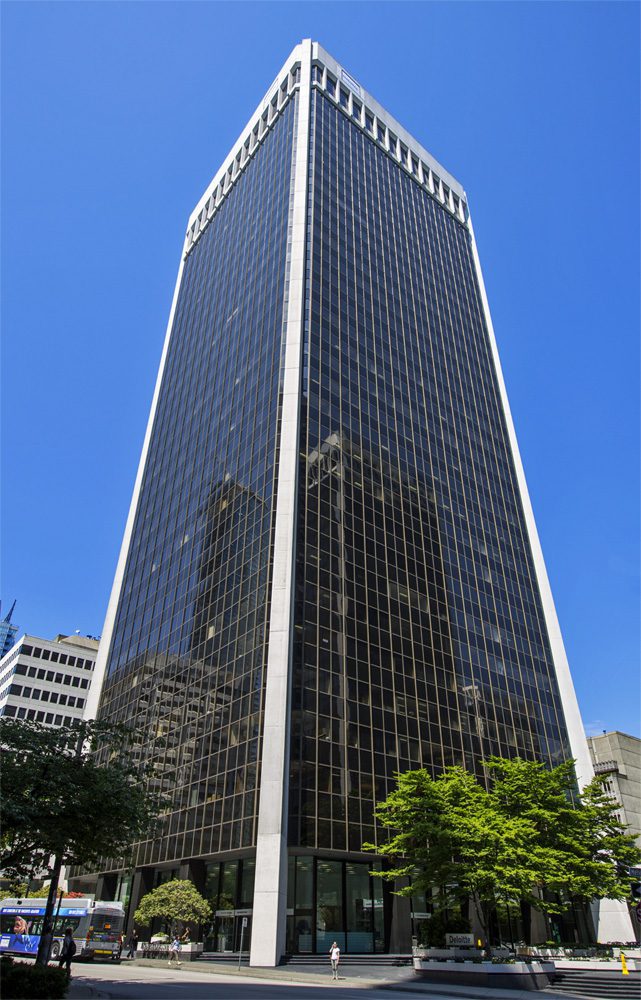
Vancouver’s real estate stock, from glass-curtained office towers in the downtown core to south-facing condos in Yaletown, faces a year-round solar load that most building owners underestimate. On a clear July afternoon, unfiltered south or west-facing glass can raise interior temperatures by 10°C or more, forcing HVAC systems to work harder and driving energy costs up sharply. Energy efficient window film is one of the most cost-effective retrofits available, and Ecovision Window Films installs LLumar- and Vista-certified solar control film for commercial properties, residential buildings, and institutional clients across Vancouver, BC, and the Lower Mainland.
Energy efficient window film blocks 40 – 80% of solar heat gain depending on the film type selected. For Vancouver homes and commercial buildings, professionally installed solar control film from Ecovision Window Films cuts cooling energy use by up to 30%, reduces interior temperatures by 5 – 10°C on south and west-facing glass, and typically pays back the installation cost within 3 – 5 years.
What Is Energy Efficient Window Film?
Energy efficient window film is a thin polyester laminate applied directly to existing glass. Unlike window replacement, which averages $600 – $1,200 per window in the Lower Mainland, window film upgrades the thermal performance of glass that is already in place. The film works by selectively filtering the solar spectrum: blocking infrared (heat) and ultraviolet (UV) radiation while allowing visible light to pass through at levels you choose.
Modern solar control films, including LLumar’s AIR series and Vista’s V-Series, use advanced ceramic and nano-particle technology rather than metal sputter coatings. This matters for Vancouver buildings because ceramic films remain signal-transparent (no interference with Wi-Fi, cell networks, or access control systems) and hold their clarity and colour for 10 – 15 years under BC’s UV exposure levels. Metal films on older installations can degrade, bubble, or turn purple within 7 – 10 years, particularly on triple-pane glass in strata towers.
How Does Vancouver’s Climate Affect Window Film Performance?
Metro Vancouver averages 28 days above 25°C annually, modest compared to Calgary or Toronto, but the combination of high solar altitude in summer, large glass-to-wall ratios in modern construction, and mild winters makes solar film a strong year-round investment here. During Vancouver’s heating season (October to April), low-emissivity (Low-E) window film reduces radiant heat loss through glass by up to 30%, according to Natural Resources Canada (NRCAN) data on window thermal performance. In the cooling season, ceramic solar film blocks up to 78% of total solar energy, reducing peak cooling loads significantly.
One factor that makes Vancouver distinct from US Pacific Coast markets: BC’s high share of electric heating means energy savings translate directly into reduced electricity consumption, directly supporting CleanBC’s building electrification objectives. Installing window film that reduces HVAC load is a practical step toward the energy intensity targets in the BC Energy Step Code, which applies to new construction and major renovations across the province. For strata corporations and commercial property managers already tracking EUI (Energy Use Intensity) scores, window film is a documentable, no-disruption upgrade.
What Types of Energy Efficient Window Film Are Available in BC?
Not every energy efficient film suits every building type or orientation. The table below compares the four main categories Ecovision installs across Vancouver and the Lower Mainland:
| Film Type | Solar Heat Rejected | Visible Light Transmission | Best Application | Installed Cost (BC) |
|---|---|---|---|---|
| Reflective Solar Film | 60 – 75% | 15 – 35% | West/south commercial glass, offices needing maximum heat rejection | $8 – $14/sqft |
| Ceramic Solar Film | 50 – 70% | 35 – 70% | Residences, suites, view-sensitive spaces where clarity matters | $12 – $18/sqft |
| Low-E Insulating Film | 30 – 50% (summer) + heat retention in winter | 60 – 75% | Year-round energy management, heritage glass, single-pane applications | $14 – $22/sqft |
| Dual-Reflective Film | 55 – 65% | 25 – 50% | High-rise, strata buildings, mixed-use properties with varied orientations | $10 – $18/sqft |
Low-E insulating film is the only category that addresses both summer heat gain and winter heat loss, making it the right choice for Vancouver buildings where occupants want year-round comfort and the lowest possible payback period. Ceramic film is the preferred choice for residential applications where views and natural light are a priority, since it blocks heat without the mirror appearance of older reflective products. For most commercial towers in Vancouver’s downtown and Yaletown corridors, dual-reflective film offers the best balance of heat rejection, glare control, and exterior aesthetics.
How Much Does Energy Efficient Window Film Cost in Vancouver?
Professionally installed energy efficient window film in Vancouver ranges from $8 – $22 per square foot installed, depending on film grade, glass access, and building type. For a standard 1,200 sqft residential suite with 200 sqft of south-facing glass, total installed cost typically falls between $1,600 and $3,600. For a commercial floor plate with 1,000 sqft of curtain wall, budget $8,000 – $18,000 depending on film specification and staging requirements.
These figures compare favourably to window replacement, which averages $800 – $1,500 per window unit in Greater Vancouver, or $40,000 – $150,000+ for a full commercial floor plate. Window film delivers 70 – 80% of the thermal improvement at roughly 10 – 20% of the replacement cost, with no structural work, no permit requirements in most cases, and zero disruption to building occupants during installation.
Ecovision’s installation at Bentall 4, one of Vancouver’s Class A office towers, illustrates the commercial case clearly. South and west-facing floor plates treated with 35% visible light transmission ceramic film showed measurable reductions in peak cooling load during July and August peaks, with the property management team reporting reduced per-floor HVAC energy draw within the first full summer season. That project is now referenced in Ecovision’s case study portfolio as a benchmark for high-rise commercial solar film performance in the Lower Mainland.
Is Energy Efficient Window Film Worth It for Commercial Buildings in Vancouver?
For commercial window film applications in Vancouver, the business case is particularly strong. Under BC’s Building Act and the Energy Step Code, commercial buildings undergoing major renovations are required to meet progressive energy efficiency targets. Window film is a documentable envelope upgrade that improves a building’s EUI score without structural changes, making it attractive to property managers who need to demonstrate energy improvements to institutional tenants and BOMA certification reviewers.
For existing Class B and C office buildings, where full window upgrades are cost-prohibitive, solar control film is often the most practical path to measurable energy efficiency gains. The International Window Film Association (IWFA) classifies professionally installed solar control film as the most cost-effective building envelope upgrade per dollar invested when compared to additional insulation, air sealing, or HVAC upgrades in sun-exposed buildings. That ranking is particularly relevant in Vancouver, where abundant glazing in 1980s and 1990s office stock was designed for aesthetics rather than thermal performance.
Ecovision has completed energy-focused film installations across commercial towers in the downtown core, strata buildings in Burnaby and Richmond, and senior care facilities throughout the Lower Mainland. In each case, installation was completed with zero disruption to building occupants and all film specifications were documented for submission to property management records and green building certification files.
Does Energy Efficient Window Film Align With CleanBC’s Targets?
The CleanBC Better Homes program funds energy-efficient window replacements for eligible BC homeowners, but window film is not currently a listed rebate category under the program. That said, window film directly supports CleanBC’s building electrification objectives by reducing cooling loads. In some retrofit scenarios, the reduction in energy intensity achieved through window film can satisfy specific requirements under the BC Energy Step Code, particularly for minor envelope improvements on commercial buildings that fall short of Step 3 compliance.
For strata corporations and building managers pursuing BOMA BEST certification or LEED operations credits, professionally installed Low-E or solar control film is a documentable envelope improvement. Ecovision provides post-installation documentation confirming film specifications, solar heat gain coefficients (SHGC), and visible light transmittance (VLT) values, the exact data required for green building certification submissions. Consult a CleanBC-registered energy advisor to confirm whether window film satisfies specific compliance requirements for your building type and step target.
What to Expect During Energy Efficient Window Film Installation
Installation for residential properties in Vancouver typically takes one to two days for a single-family home or suite, depending on window count and glass access. Commercial installations on occupied floors are staged to avoid disruption, a 5,000 sqft floor plate generally takes two to three days with Ecovision’s two-person installation crew.
- Pre-installation survey: Ecovision’s team measures glass dimensions, confirms orientation, and recommends film specification based on your HVAC setup and comfort goals.
- Glass preparation: Surfaces are cleaned with a mineral-free solution to remove all contamination and previous adhesive residue.
- Film application: The film is cut to exact size, applied wet, and squeegeed to remove air and installation fluid. Edges are finished with a 1 – 2mm reveal to prevent edge lifting over time.
- Cure time: Most LLumar and Vista films cure in 30 – 60 days in Vancouver’s climate. Mild haze or small water pockets during this period are normal and resolve on their own without intervention.
- Post-install inspection: Ecovision performs a final walkthrough 30 days after installation to verify adhesion and confirm no edge defects before the warranty period begins.
Call Ecovision at (236) 862-0052 for a free on-site energy assessment. For most Vancouver properties, a written quote is provided within 48 hours of the site visit with film specifications, estimated energy savings, and a projected payback timeline.
Related Articles
- Does Window Film Lower Cooling Costs in North Vancouver?
- Glare Reduction Window Film for BC Offices: How It Works, What to Expect, and What It Costs
- UV Window Film for BC Homes and Buildings: What It Blocks, What It Costs, and What to Expect
- Commercial Window Film ROI: What BC Property Managers Need to Know
- How Long Does Professionally Installed Window Film Last in BC?
Frequently Asked Questions
How much does energy efficient window film cost in Vancouver?
Professionally installed energy efficient window film in Vancouver ranges from $8 to $22 per square foot depending on film type and glass access. Ceramic and Low-E films typically cost $12 – $22 per sqft; standard reflective solar film starts at $8 per sqft. Most residential projects total $1,500 – $4,000; commercial floor plates typically run $8,000 – $20,000.
How much energy does window film save in Vancouver?
Solar control window film can reduce cooling energy use by up to 30% on south and west-facing Vancouver glass, according to IWFA data. Low-E insulating film also reduces winter heat loss by up to 30%, making it effective year-round in BC’s mixed climate. Actual savings depend on glass area, orientation, and existing HVAC efficiency.
Does energy efficient window film work in winter in BC?
Yes. Low-E window film retains radiant heat inside during BC’s heating season (October to April) by reflecting infrared energy back into the room. NRCAN data shows BC homes lose up to 30% of heat through windows. Low-E film reduces this heat loss significantly without blocking visible light, making it the preferred option for year-round energy performance in Vancouver.
How long does energy efficient window film last in Vancouver?
LLumar and Vista solar control films carry manufacturer warranties of 10 – 15 years for commercial installations and lifetime residential warranties on many product lines. In Vancouver’s climate, with moderate UV and minimal temperature extremes, properly installed films routinely perform for 15 – 20 years before showing adhesion degradation or colour shift.
Is energy efficient window film eligible for CleanBC rebates in BC?
Window film is not currently a listed rebate category under the CleanBC Better Homes program, which focuses on window replacement and HVAC upgrades. However, window film can support CleanBC energy intensity reduction goals and may satisfy BC Energy Step Code envelope improvement requirements for eligible retrofit projects. Consult a CleanBC-registered energy advisor for your specific building type.
About the Author: This article was written by the Ecovision Window Films team. Edward, Director at Ecovision, brings a distinctive perspective to the window film industry, with over a decade in real estate development, including roles as Executive Director at a real estate development firm and Director of Strategic Partnerships, before joining Ecovision. That background gives the company a sharp edge in serving BC property managers and building owners. Ecovision is a certified installer for leading film brands with completed projects for healthcare facilities, government buildings, and commercial properties throughout the Lower Mainland. For a free site assessment, call (236) 862-0052 or visit ecovisioncanada.com/contact/.