
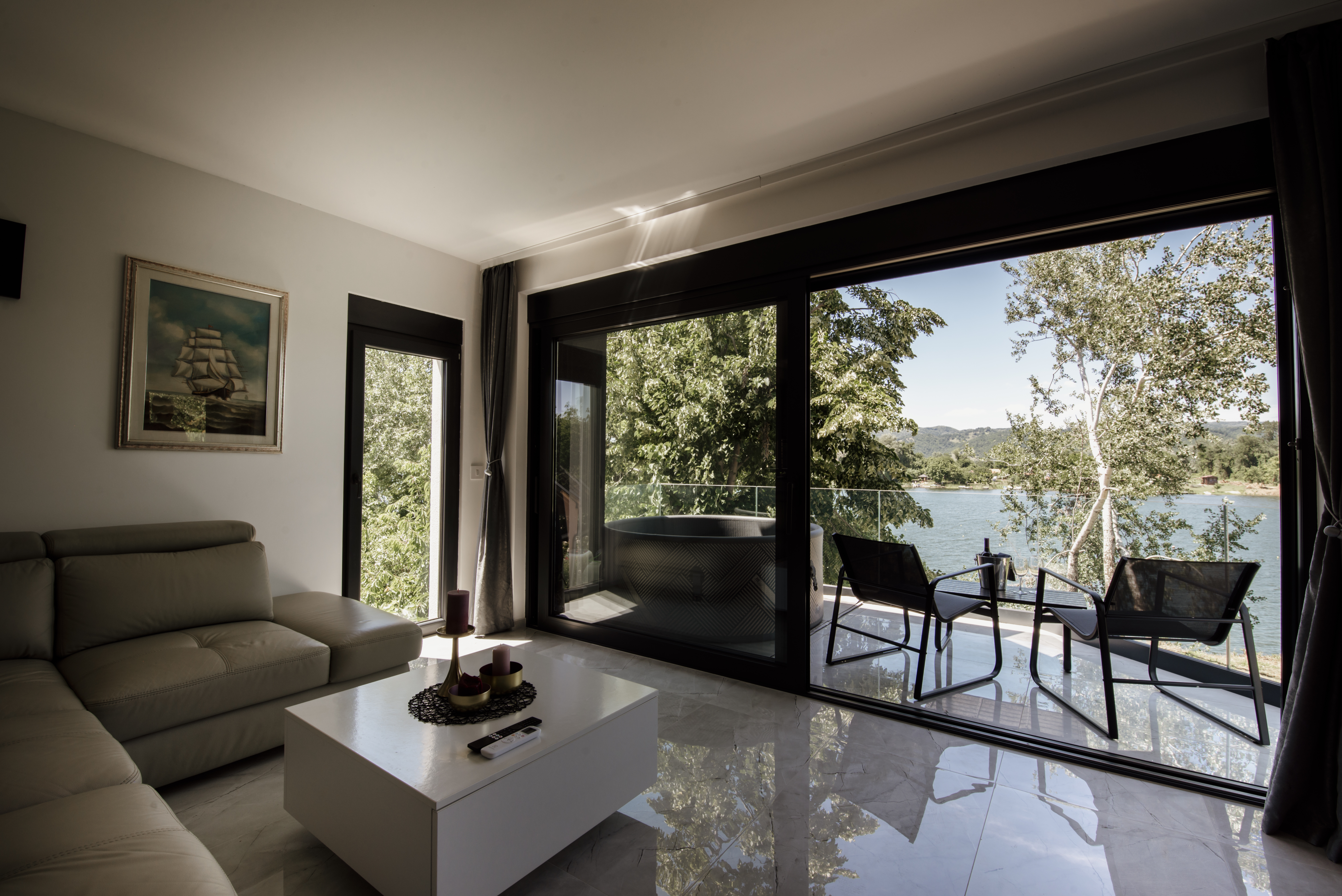
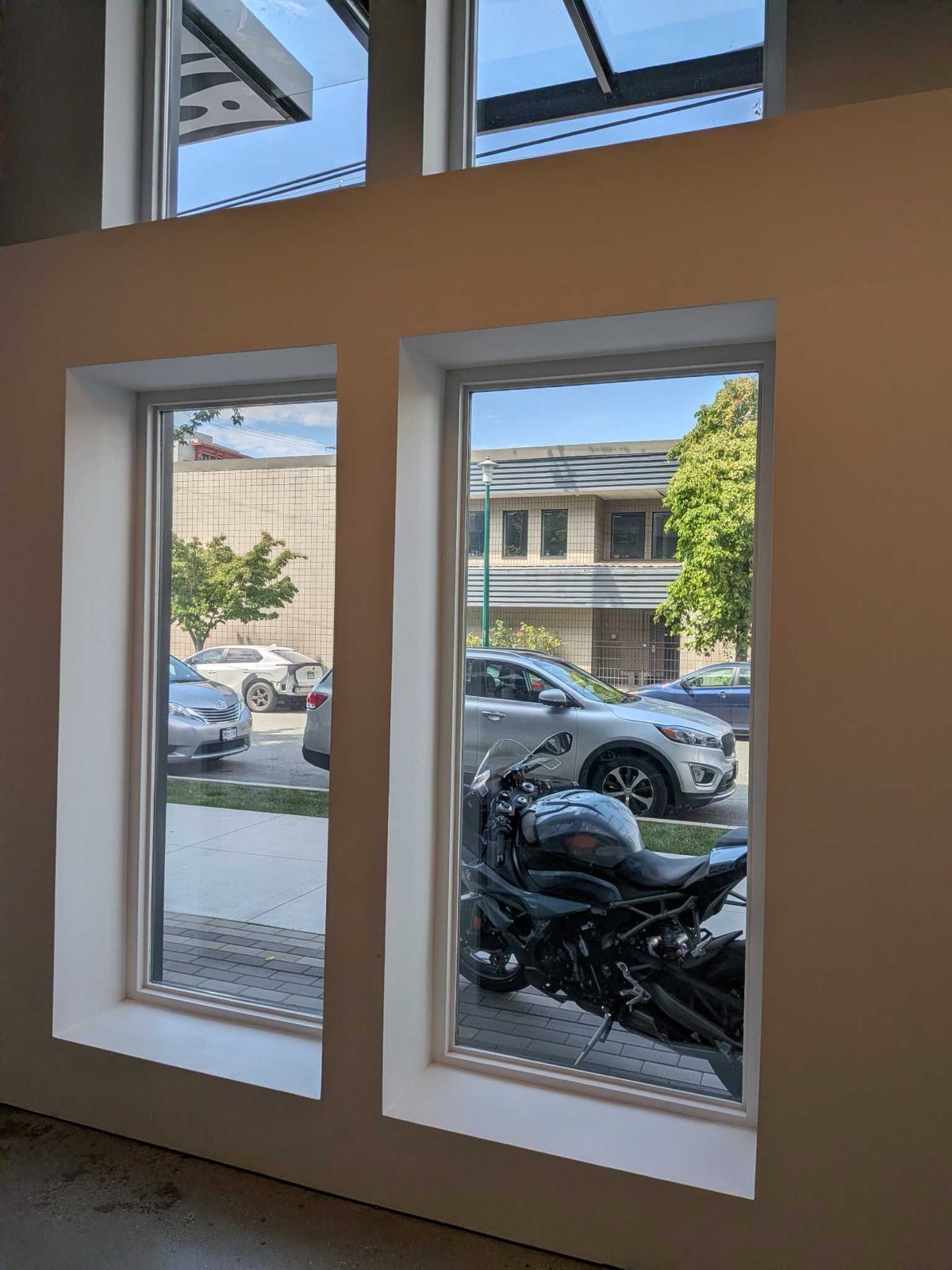

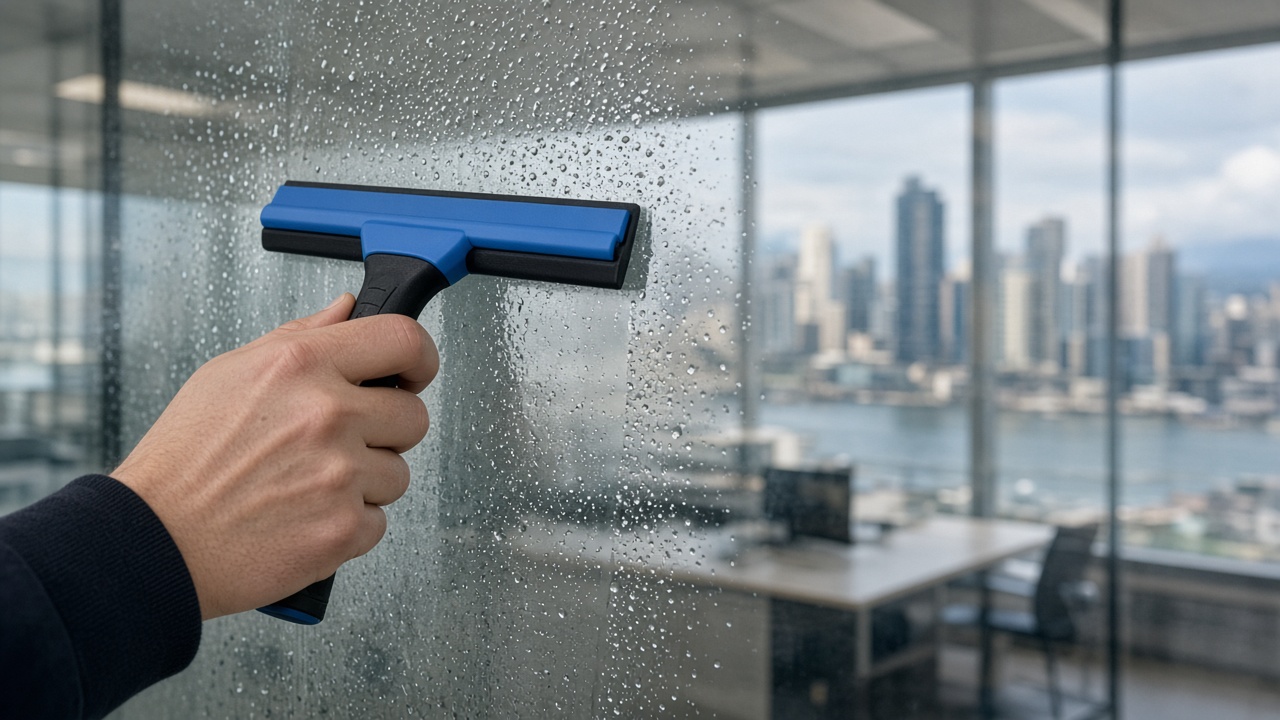

One-way window film can improve daytime privacy while keeping an outward view, but it is not a dependable nighttime privacy solution. The effect depends on the light difference across the glass. When a room is brighter than outside, people outside may see in. Choose the film around the hours when privacy matters, not the phrase “one-way”.
Ecovision assesses reflective, dual-reflective, frosted and decorative options for Metro Vancouver homes and commercial buildings. The right choice must also suit the existing glass, daylight, exterior appearance and any strata or landlord requirements.
How One-Way Window Film Works
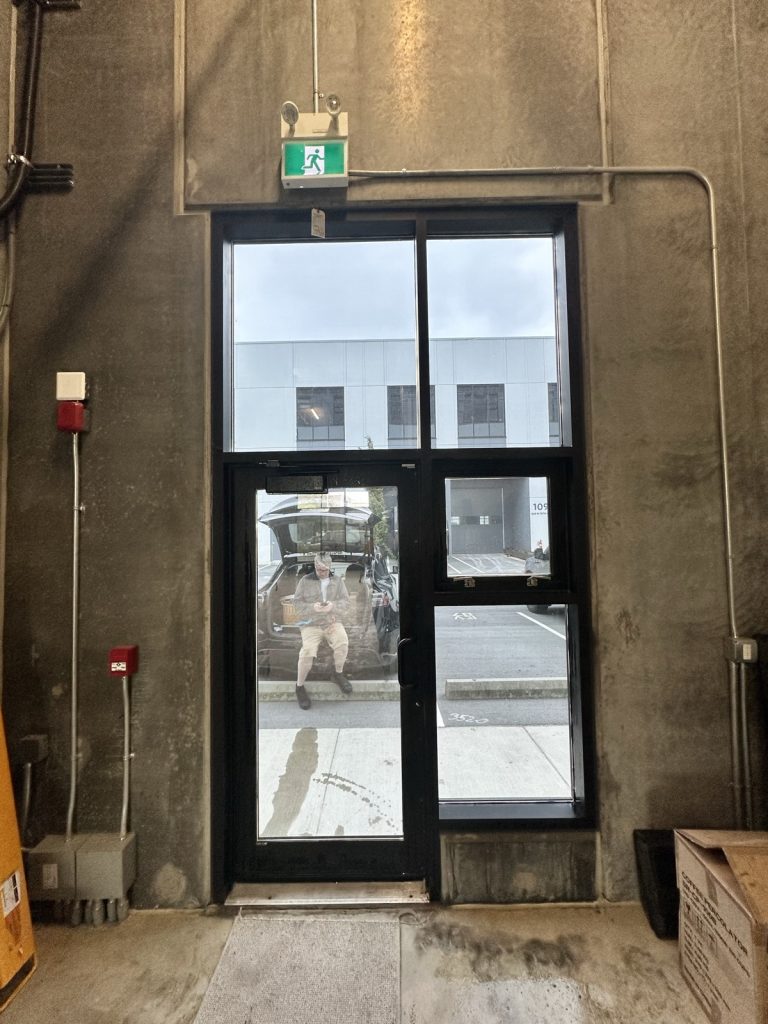
Reflective film transmits some light and reflects some light. From the brighter side, reflected light can make it harder to see into the darker side. From the darker side, the view toward the brighter side is more visible. The glass has not become a one-direction-only opening: both reflection and transmission still occur.
Outdoor daylight often creates a useful contrast, but shade, bright interior lights, nearby viewing positions and the selected film can weaken the effect even during the day. A site sample is more reliable than a promise based on time of day alone. For the underlying optics, read the one-way glass explanation below.
Does One-Way Window Film Work at Night?
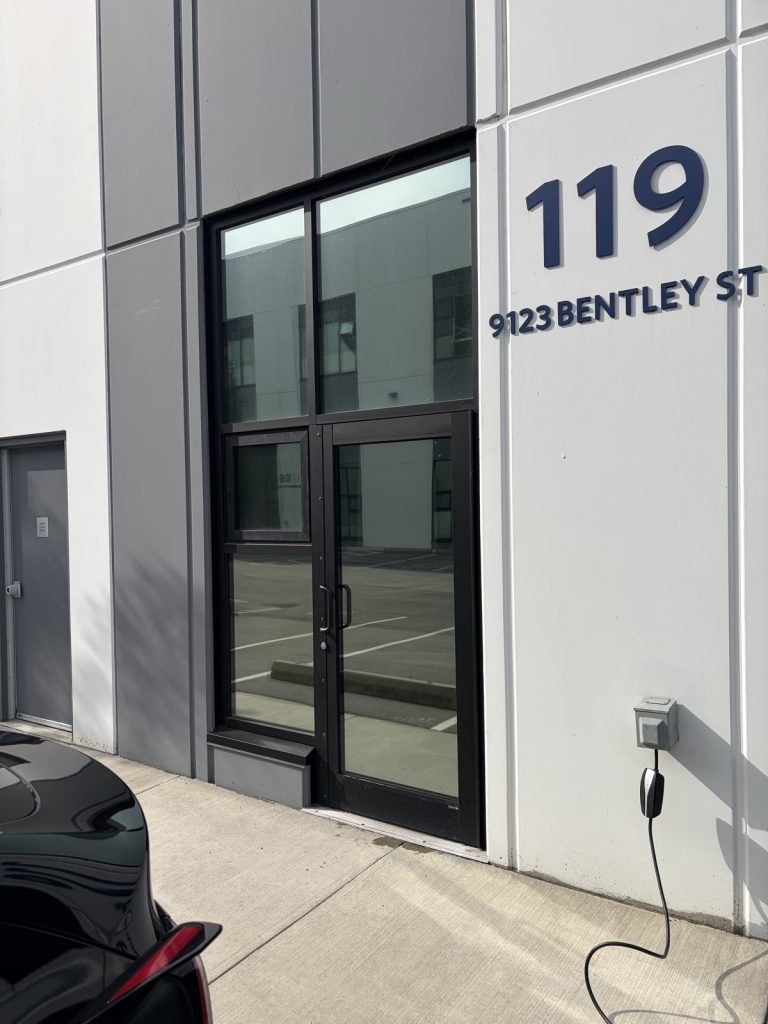
Do not rely on it when interior lights are on and outside is dark. The light contrast may reverse, making the room visible from outdoors. Lower interior reflectivity can improve the occupant’s view out, but that is different from preventing an outside observer from seeing in.
Dual-reflective film is not a guarantee of night privacy. Its lower interior reflectance is intended to reduce the mirror-like view from inside. For bedrooms, bathrooms, treatment rooms or other sensitive spaces, plan blinds, curtains, suitable obscuring film or another physical privacy treatment.
Changing lighting can influence visibility, but it is not a dependable privacy safeguard. Test the proposed finish from both sides under the actual lighting and viewing distances that matter.
Reflective, Dual-Reflective or Frosted: Which Fits?
| Priority | Option to assess | Trade-off to check |
|---|---|---|
| Daytime privacy with an outward view | Reflective or dual-reflective solar-control film | Visibility depends on lighting; tint and exterior reflectance change the appearance. |
| Less interior reflection | Dual-reflective film | A clearer view out is not the same as reliable privacy from outside at night. |
| Privacy independent of a daylight contrast | Frosted, patterned or opaque film | The treated area loses its clear view; lighter patterns may still reveal silhouettes. |
| Clear views by day and privacy after dark | Compatible solar film plus blinds or curtains | Plan how occupants will use and maintain the second treatment. |
See the frosted-film guide for coverage, patterns and silhouette limitations, or our privacy and decorative film service to compare practical options.
Where Reflective Privacy Film Can Help
- Street-facing homes: assess living-room or entrance glazing where daytime visibility is the main concern. Night-use rooms still need a privacy plan.
- Offices and boardrooms: assess exterior windows alongside screen glare, daylight and occupied hours. Two similarly lit interior rooms generally do not provide a dependable one-way effect.
- Retail and commercial façades: compare privacy and glare objectives against merchandise visibility, signage and the approved exterior appearance.
- Strata and multi-unit buildings: obtain required appearance approvals and confirm compatibility before installation.
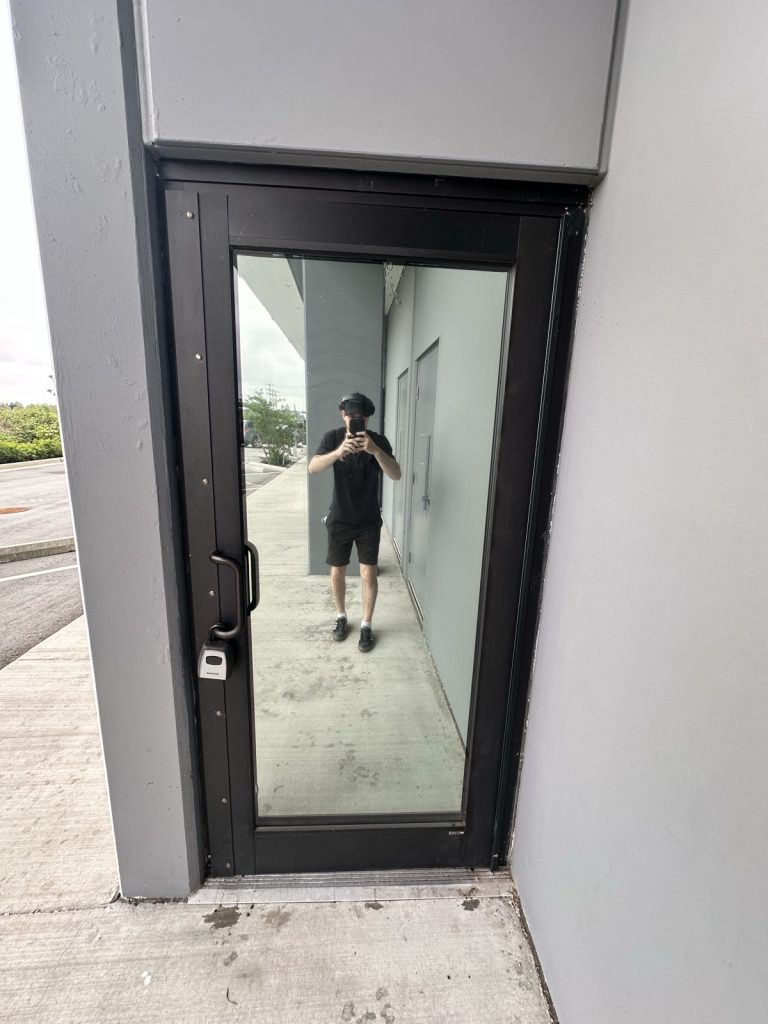
Photos can illustrate appearance, but cannot prove a particular film model, privacy level or thermal result. Ecovision confirms the product and glass specification for each opening.
Heat, Glare and Daylight Are Separate Decisions
A solar-control film may also reduce solar heat gain and glare. Compare its visible light transmission (VLT), total solar energy rejected (TSER) and solar heat gain coefficient (SHGC) on the manufacturer’s stated glass. Do not treat one percentage as a whole-building energy saving.
Lower VLT means less visible light passes through the assembly. Exterior and interior reflectance affect appearance. Cooling-load results also depend on window area, orientation, weather and building operation. Review our heat and glare service for a measured product comparison.
What Does One-Way Window Film Cost?
Use CA$10 to CA$24 per square foot installed as Ecovision’s preliminary planning range. The written quote must confirm product, measured area, pane count, glass preparation, access, schedule, warranty and any minimum charge. Confirm taxes and optional work separately; this is not a fixed all-in rate for every window.
The BC installed-cost guide explains how to compare written proposals on equal terms.
Check These Points Before Installation
- Record which views need screening and the daytime and evening hours involved.
- Confirm pane construction, coatings, seals, frames, condition and existing film.
- Compare samples from both sides under representative lighting.
- Check manufacturer compatibility, required application surface and warranty terms for the exact product.
- Resolve strata, landlord or façade approvals and the night-privacy treatment before signing the scope.
Film orientation and application surface are product-specific. Do not assume every reflective film belongs on the outside of the building or that reversing a film will provide nighttime privacy.
Request a Privacy-Film Assessment
Tell us where the glass is, when privacy is needed and whether preserving the outward view is important. Include photos and approximate dimensions so we can identify the next assessment step.
Request a free estimate or call (236) 862-0052.
Product references: LLumar dual-reflective film and LLumar solar-control performance data. Confirm current product availability, glass compatibility and warranty conditions before selection.
About Edward Zhang
With nearly 15 years in real estate, Edward Zhang previously worked as a licensed real-estate professional and served in leadership roles including managing broker, sales-team leader and top-performing salesperson. His recognition includes a Medallion Award and top-performer sales awards. Today, he brings that property, sales, marketing and development perspective to Ecovision Window Films when helping owners and project teams evaluate practical window-film options.
Prepared by Edward Zhang. Product availability, technical data, glass compatibility and warranties are verified for each project before recommendation. Call Edward directly at (778) 317-2580 or request a free estimate.