
Security window film can make a forced entry slower and more difficult, but it does not make ordinary glass impenetrable. The film bonds to the glass and helps hold broken fragments together after impact. Real performance depends on the entire opening: glass type, film specification, adhesive, edge attachment, frame strength and installation quality.
That distinction matters for Vancouver homeowners, storefronts and facility managers. A film-only claim such as “shatterproof glass” can create false confidence. Ecovision assesses the complete glass-and-frame system before recommending a safety or security film.
How Security Window Film Helps During a Break-In Attempt
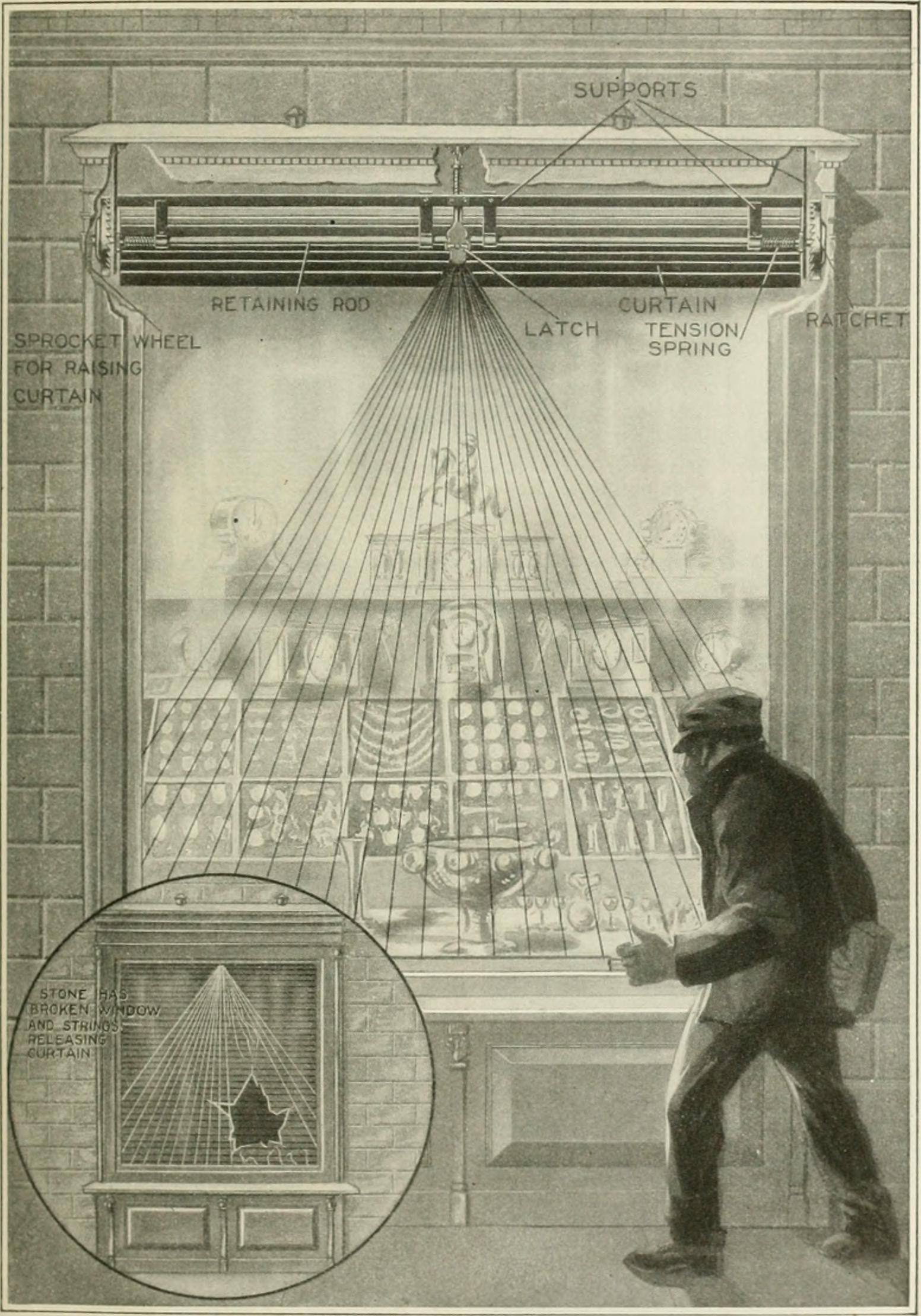
Untreated glass can break and fall away from an opening. Safety and security film uses heavy-duty polyester and a strong adhesive to retain many of the broken fragments. The damaged pane may remain in place longer, forcing repeated work at the same opening and creating more time for alarms, occupants or security procedures to respond.
LLumar describes properly specified commercial safety and security film as a system that enhances burglary resistance and holds glass fragments together. The International Window Film Association also stresses that specification, installation and the appropriate attachment system are essential. Film is one layer of a security plan, not a substitute for locks, alarms, access control or a structurally sound frame.
Security Film, Safety Film and “Shatterproof” Film Are Not the Same Claim
| Term | Primary purpose | Important limitation |
|---|---|---|
| Safety film | Helps retain broken glass and reduce hazardous fallout after impact | Passing a safety-glazing test does not automatically prove forced-entry performance |
| Security film | Uses thicker film and system-specific installation to increase resistance to penetration | Results depend on the tested glass, attachment and frame, not film thickness alone |
| “Shatterproof film” | Common marketing phrase for fragment-retention film | No architectural film makes standard glass unbreakable |
Manufacturer test documents should be matched to the proposed film and the actual glazing assembly. LLumar publishes test documentation for safety glazing, forced entry, blast and other hazards; each report names the film, glass and installation conditions that were tested.
Does Security Film Work on Glass Doors?
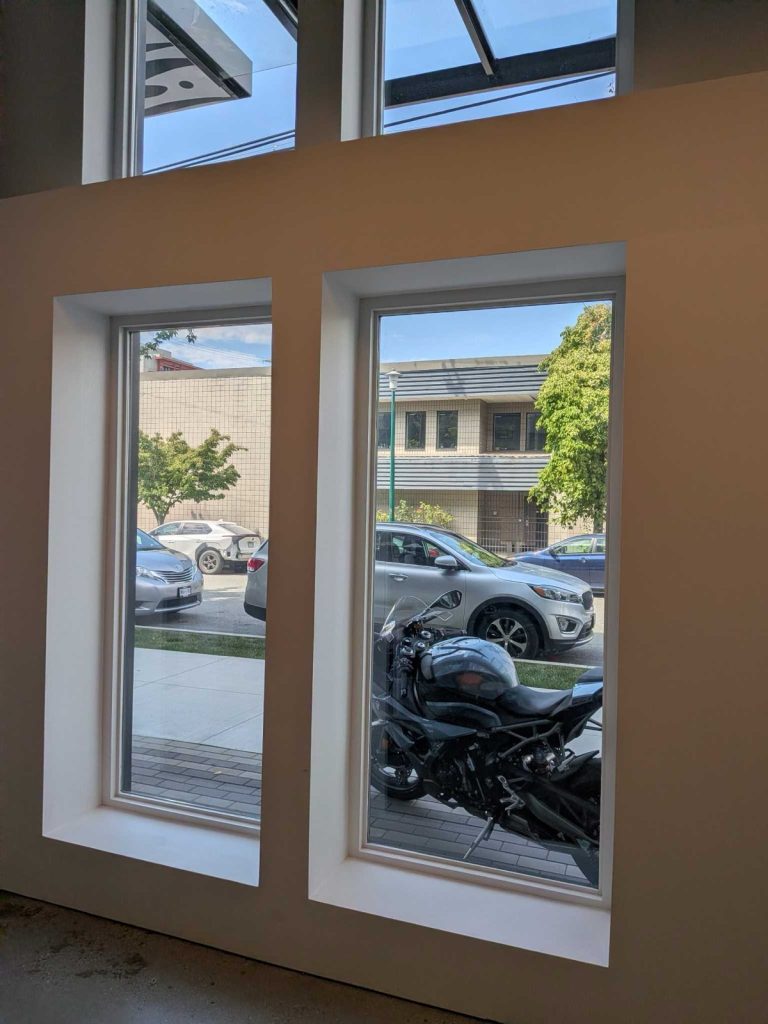
It can help on storefront doors, sidelights, patio doors and other glazed entrances, but doors require careful assessment. Moving panels, narrow framing, tempered or laminated glass, gaskets and door hardware all affect the appropriate specification. Edge attachment is especially important when the goal is to keep the filmed glass connected to the frame after breakage.
- Storefront entrances: evaluate exposed glass, door operation, alarm coverage and frame condition.
- Residential patio doors: confirm glass construction and whether an attachment system is compatible with the frame.
- Schools, healthcare and public buildings: align the product and installation method with the facility’s documented risk and applicable test requirements.
- High-value displays: combine film with locks, lighting, alarms and merchandise-positioning controls.
What Determines the Right Film and Attachment?
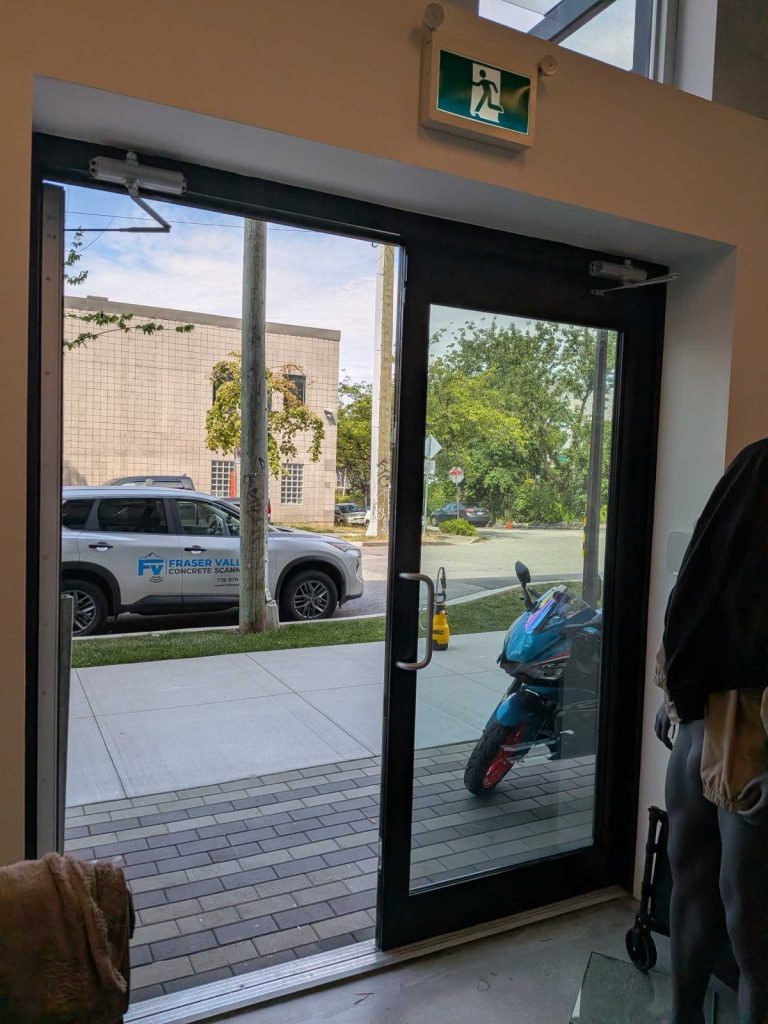
Thickness is only one specification. A professional assessment should identify the pane construction, size, frame material, glazing bite, gasket condition, accessible edges and desired threat resistance. The selected product should then be checked against manufacturer documentation for a comparable glass-and-installation configuration.
- Confirm whether the glass is annealed, tempered, heat-strengthened, laminated or part of an insulated unit.
- Inspect the frame and determine whether a compatible wet-glaze or mechanical attachment is required.
- Choose a film whose published testing fits the intended safety or security objective.
- Document limitations and combine the glazing work with locks, alarms and operational security.
- Install, edge-finish and inspect the complete system, not just the centre of the pane.
What Security Window Film Cannot Promise
Security film cannot guarantee that an intruder will be stopped, cannot correct a weak frame and should not be described as bullet-resistant unless the complete assembly has the required testing. It may also be inappropriate for damaged glass or an assembly that cannot accept the required attachment. Ecovision uses evidence-based language because the safest recommendation is specific to the opening and the risk, not a universal time or impact claim.
Security Window Film Assessment in Metro Vancouver
Ecovision evaluates residential, commercial, healthcare and public-building glass throughout Vancouver and the Lower Mainland. The assessment records the existing glass and frame, the exposed entry points, the required appearance and the desired level of protection. You receive a recommendation tied to a specific film and installation method rather than a generic “shatterproof” promise.
Frequently Asked Questions
Does security window film stop break-ins?
It can delay and complicate forced entry by helping broken glass remain together, but it cannot guarantee that entry will be prevented. Performance depends on the film, glass, attachment and frame as a complete system.
Does glass door film stop intruders?
Security film can increase penetration resistance on appropriate glass doors. Door construction, moving parts and edge attachment must be evaluated before installation.
Is thicker security film always better?
No. Thickness matters, but a tested system with compatible adhesive, attachment, glass and framing is more meaningful than thickness by itself.
Is security film the same as laminated glass?
No. Film is applied to existing glass; laminated glass is manufactured with an interlayer between glass plies. Both can retain fragments, but their construction and tested performance are different.
Sources: LLumar safety and security film, LLumar test documents, and the International Window Film Association.
Article prepared by Edward Zhang. Technical suitability must be confirmed for the actual glass and frame before installation.
About Edward Zhang
With nearly 15 years in real estate, Edward Zhang previously worked as a licensed real-estate professional and served in leadership roles including managing broker, sales-team leader and top-performing salesperson. His recognition includes a Medallion Award and top-performer sales awards. Today, he brings that property, sales, marketing and development perspective to Ecovision Window Films when helping owners and project teams evaluate practical window-film options.
Prepared by Edward Zhang. Product availability, technical data, glass compatibility and warranties are verified for each project before recommendation. Call Edward directly at (778) 317-2580 or request a free estimate.