

Security window film is a thick polyester material (typically 4-14 mils) that you apply directly to your existing glass. When impact occurs, the film’s pressure-sensitive adhesive holds shattered fragments together instead of letting dangerous shards scatter. This creates a barrier that can delay forced entry by several critical minutes, enough time for alarms to trigger and occupants to react. Understanding proper thickness selection and installation methods will help you maximize your window’s protective performance.
What Is Security Window Film?
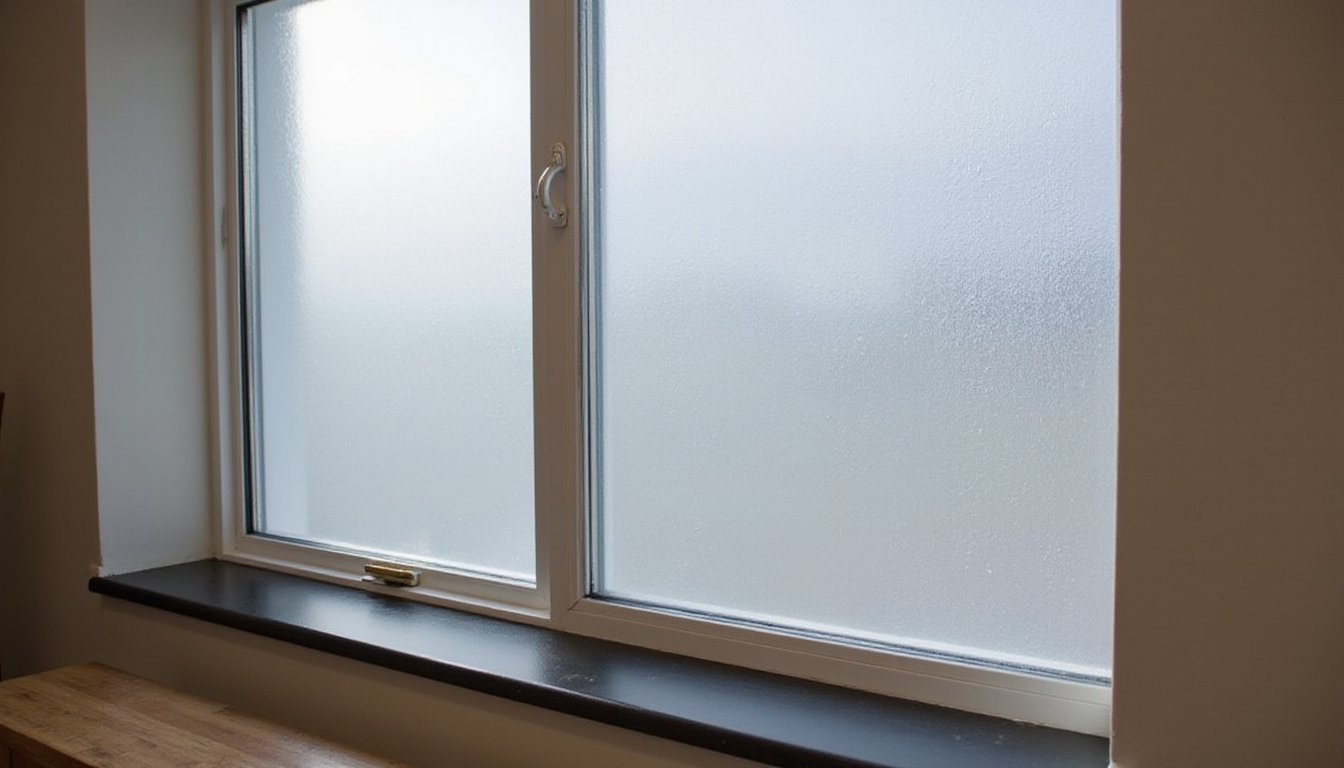
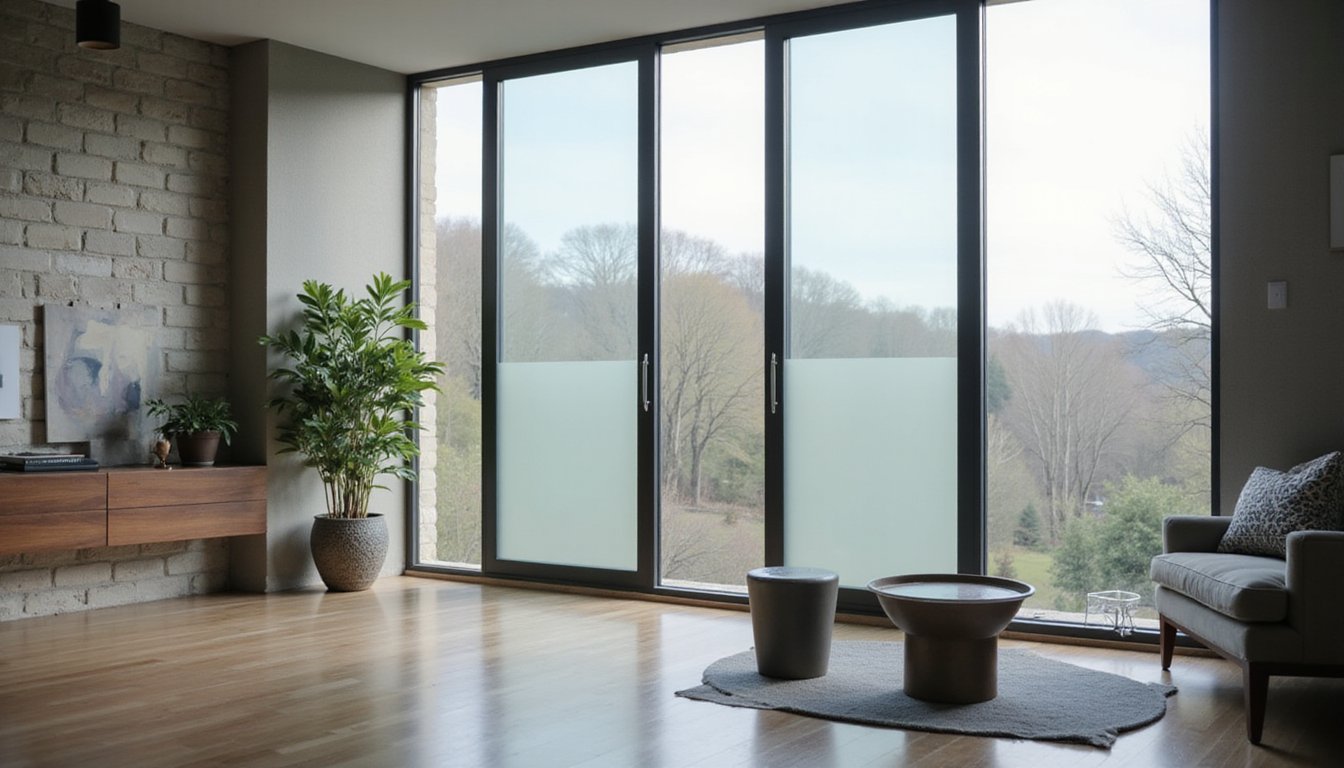
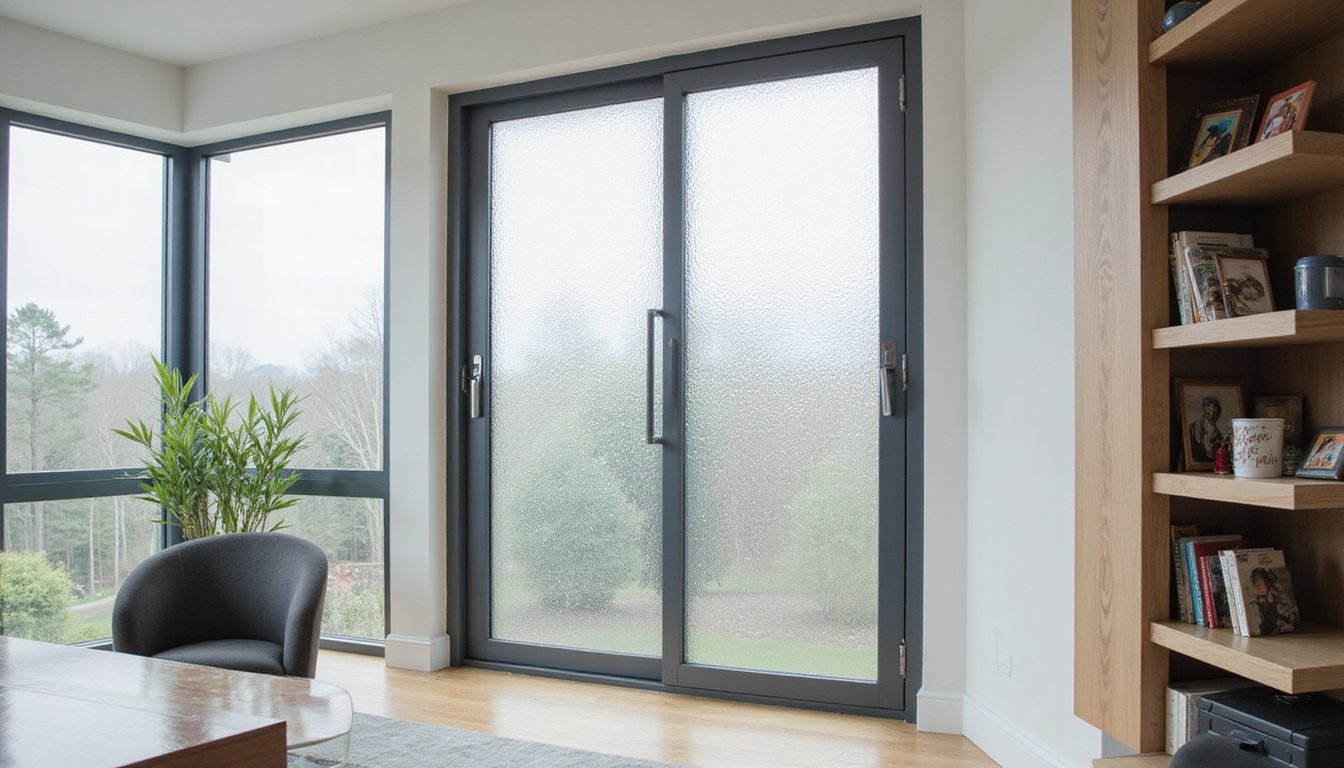
Protection window film is a specialized polyester material engineered specifically to reinforce glass surfaces against impacts, forced entry, and shattering. Unlike decorative or solar films, safeguarding film for windows uses heavy-duty polyester compounds that bond tightly to your glass, creating a protective barrier that distributes impact force across the entire surface.
You’ll find this film is thicker and more robust than standard window treatments. Film thickness typically ranges from 4 to 14 mils, with thicker options providing greater levels of protection. When applied to your window’s interior side, it holds broken glass fragments together rather than allowing dangerous shards to scatter. This design delays intruders by up to three minutes during forced entry attempts. The film also blocks harmful UV rays, helping prevent fading of your interior furnishings and flooring.
Safeguarding film for windows works on all glazing types, including annealed, tempered, and laminated glass, making it versatile for various installation requirements.
How Security Film Keeps Broken Glass in Place
When glass breaks, safeguard film’s pressure-sensitive adhesive keeps shattered pieces bonded together rather than scattering across your space. You’ll notice the film acts like a flexible net, its high tensile strength maintains the integrity of broken fragments while holding them within the window frame. This means the glass won’t create an immediate opening, giving you critical time to respond while reducing the risk of dangerous flying shards. The film works by absorbing impact force and dispersing it across the surface, which prevents the glass from shattering into dangerous shards that could cause serious injuries. While the film significantly slows down break-in attempts, determined intruders with specialized tools may eventually breach the glass given enough time.
Adhesive Bonds Glass Shards
Although safeguard film’s polyester layers provide structural strength, the specialized acrylic adhesive does the critical work of keeping shattered glass intact. This protective film layer on glass forms a molecular bond that maintains flexibility while delivering exceptional adhesion strength. When you understand protective film meaning, you’ll recognize the adhesive as the true workhorse.
The protective film for glass explanation centers on how these adhesives absorb and dissipate impact shockwaves. They redistribute kinetic energy across the entire film surface, transforming brittle glass into an impact-resistant membrane. Post-breakage, the adhesive’s elasticity secures fragments firmly to the film. This retention system forces intruders to confront a flexible, impact-resistant barrier rather than gaining immediate access through an open frame. For maximum protection, wet glaze attachment systems use structural silicone sealant to bond the filmed glass directly to the window frame.
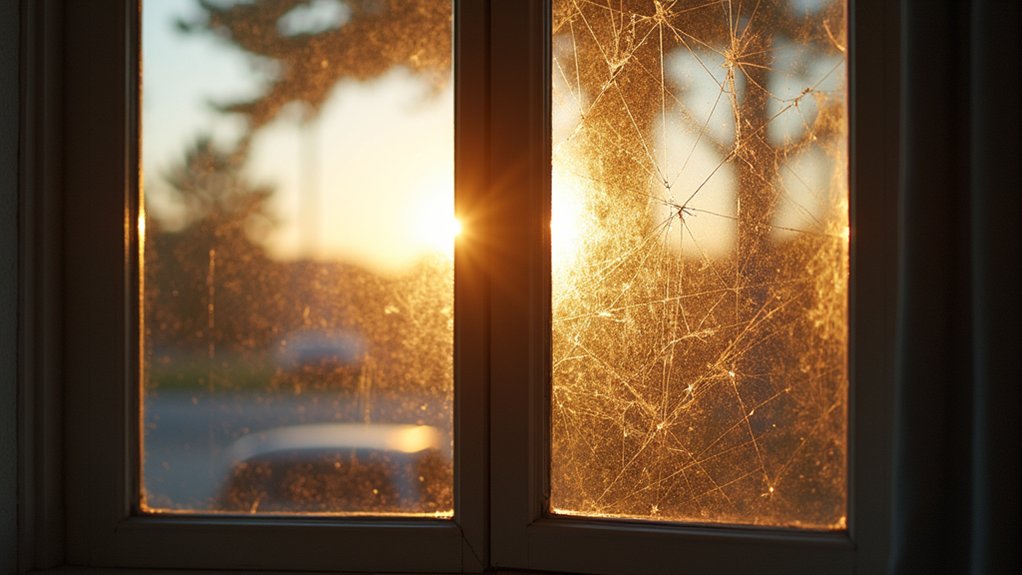
You’ll notice shattered glass creates a “spiderweb” pattern rather than scattering dangerous projectiles. This containment minimizes injury risk and maintains your window’s barrier function during emergencies.
Glass Stays in Frame
The adhesive’s grip on glass fragments represents only half the retention equation, keeping that shattered membrane anchored within the window frame completes the protective barrier.
Understanding how security film works on windows requires examining edge retention systems. Professional installers affix clear security film purpose-built for protection within 1/16 inch of your frame edge. This mechanical attachment prevents the entire glass-film composite from peeling away during forced entry attempts.
What security window film does becomes vastly more effective with proper anchoring. Without edge attachment, impacts can dislodge the retained glass panel entirely, negating your investment. This crucial delay provides time for security response systems to activate and building occupants to reach safety.
For security film for residential windows, professional installation secures optimal frame integration. You’ll achieve maximum intrusion resistance when installers secure thicker films (8-14 mil) with dedicated attachment systems, transforming your windows into resilient barriers that hold under repeated strikes. In areas prone to hurricanes or earthquakes, these attachment systems also reduce injury risk from shattered glass becoming dangerous projectiles during natural disasters.
Why Burglars Hate Security Window Film
When you install protective film on your windows, you’re eliminating the quick, silent entry that burglars depend on. Standard glass breaks in one or two strikes, but film-protected windows require ten or more impacts to create an opening, generating sustained noise that attracts attention and triggers alarm systems. This combination of delayed access and increased detection risk causes most intruders to abandon the attempt within minutes. Research shows that 80% of burglars give up if forced entry takes longer than four minutes, making security film an effective deterrent. Beyond break-in prevention, the film also guards against vandalism and accidental breakage, providing year-round protection for your property.
Delays Quick Entry Attempts
Breaking through standard glass takes just seconds, a single strike shatters the pane and grants immediate access. Protective film for windows changes this equation dramatically. When you understand what protective film for windows is, you’ll recognize its core function: absorbing impact energy and holding fractured glass together in a web-like structure.
So what does protective film for windows do during a break-in attempt? It forces intruders into prolonged, noisy struggles. The protective film for windows definition centers on this delay mechanism, turning instant entry into a multi-minute ordeal requiring repeated blows with heavy tools. Research published in the Security Journal found that combining multiple security devices increases overall protection by up to 20 times, making window film even more effective when paired with standard locks and alarms.
Protective window film basics confirm that extending breach time beyond four minutes causes 60 percent of burglars to abandon attempts. You’re buying critical response time for alarms to trigger and authorities to arrive. This delay allows occupants precious moments to react by running, hiding, and calling 911 before an intruder can gain access.
Creates Noisy Break-Ins
Burglars rely on stealth to avoid detection, and protection window film eliminates that advantage entirely. When intruders strike film-reinforced glass, they’re met with loud, sustained cracking sounds that carry far beyond the immediate area. Unlike untreated glass that shatters quietly in a single blow, safeguarding film forces repeated impacts that generate escalating noise levels.
This acoustic signature works against criminals who depend on quick, silent entries. The glass fragments adhere to the film, creating a web-like barrier that requires continuous hammering to penetrate. Each strike amplifies the sound, alerting neighbors, passersby, or security personnel. This durable, multi-layered polyester film adds structural integrity that transforms ordinary windows into formidable obstacles. High-quality security film can last 10-15 years or more, ensuring this protection remains effective for an extended period.
Most burglars abandon attempts when breaches exceed 30-60 seconds due to detection risk. You’re installing an audible alarm that activates the moment someone attempts forced entry.
Where Security Window Film Works Best
How effectively does protection film perform across different property types? Safeguard film for commercial windows delivers measurable results in retail environments, extending break-in times from 10 seconds to over one minute. Storefronts gain tear-resistant polyester layers that hold fragments during smash-and-grab attempts.
Security film transforms vulnerable storefronts into deterrent barriers, extending break-in attempts from seconds to minutes.
Ground-floor office buildings benefit from 30-45 second entry delays with film alone, increasing to 1-2 minutes when you add mechanical anchors. You’ll achieve 99%+ fragment containment with proper attachment systems.
Schools and government facilities meet stringent standards for blast resistance and hurricane-force winds while maintaining normal window appearance. Healthcare properties gain dual benefits: injury prevention from contained glass shards and energy savings through solar control. Premium security films also protect sensitive medical equipment and patient areas by blocking 99% UV rays.
Residential applications strengthen vulnerable ground-floor entry points, combining burglar deterrence with 99% UV protection.
Choosing the Right Security Film Thickness
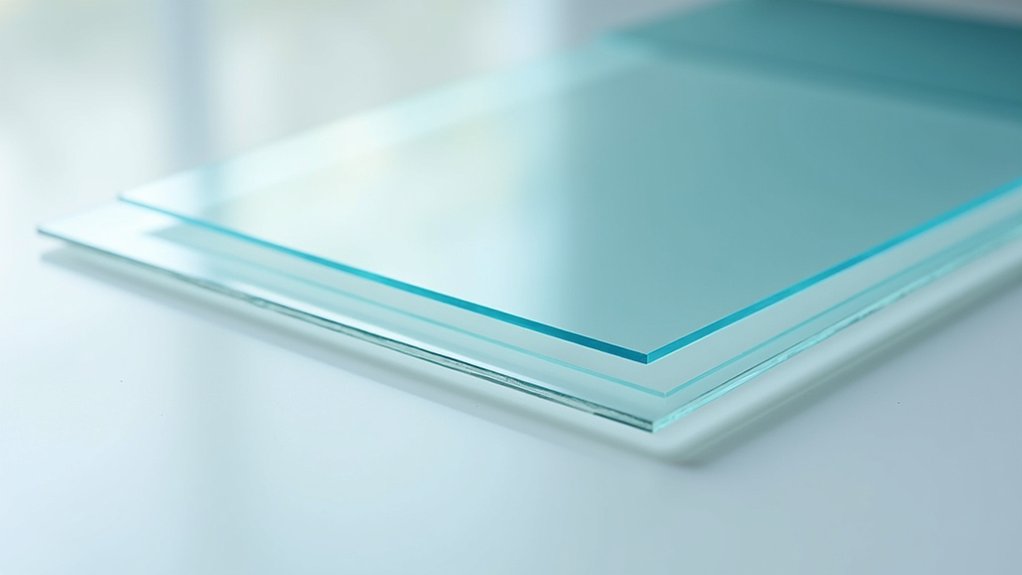
Safeguard films range from 4 to 15 mil, with each level serving distinct purposes. You’ll find 4 mil handles basic scratch and graffiti protection, while 7-8 mil holds shattered glass together and slows forced entry attempts. For serious burglary deterrence, you need minimum 8 mil thickness, this provides meaningful resistance against handheld tools and rocks.
Is safeguard film the same as tint? No. Safeguard film uses multiple polyester layers fused with specialized adhesives, engineered specifically for impact resistance rather than light reduction.
When selecting thickness, assess your specific threats: residential properties in moderate-crime areas typically require 6-8 mil, while commercial locations protecting valuable assets benefit from 10-14 mil. Always verify third-party certifications to ANSI Z97.1 standards before purchasing.
Security Film vs. Bars, Shutters, and Laminated Glass
When comparing window safeguard options, you’ll encounter four primary solutions: defense film, burglar bars, rolling shutters, and laminated glass. Each addresses break-in prevention differently.
Defense film holds shattered glass together, slowing forced entry while remaining virtually invisible. You’ll find installation quick and maintenance minimal. Burglar bars create a solid physical barrier with high protection but obstruct natural light and pose emergency escape hazards without quick-release mechanisms.
Defense film delivers invisible protection while burglar bars trade natural light and escape routes for maximum security.
Rolling shutters offer retractable barriers you can deploy when needed, combining well with film for layered protection. Laminated glass integrates reinforcement directly into the pane but requires complete window replacement.
For existing windows, film provides the most cost-effective upgrade. You’ll preserve aesthetics while gaining UV protection and shatter resistance, ideal for front-facing windows where bars would compromise curb appeal.
Realistic Limits of Security Window Film
Protective film offers real benefits, but it won’t turn your windows into impenetrable barriers. Standard films range from 2-14 mil thickness and hold shattered glass together, they don’t strengthen the glass itself. Your windows remain breakable under forceful impacts.
Defensive film delays forced entry rather than preventing it. A determined intruder with tools and time will eventually breach the barrier. You’re buying extra minutes, not absolute protection.
Don’t believe ballistic claims for standard products. No market defensive film achieves true bulletproof status against high-powered firearms. Those claims require specialized glass systems entirely different from residential applications.
Performance depends heavily on proper installation. Without professional frame anchoring and edge attachment systems, the film can detach during impacts, substantially reducing its effectiveness.
Bonus Benefits: UV Blocking and Energy Efficiency
Beyond its primary safeguard function, window film delivers measurable UV protection and energy efficiency gains that justify installation costs.
UV Protection Performance
Quality protective films block 99-99.9% of harmful UV rays entering your windows. This protection prevents fading of interior furnishings, flooring, and artwork while reducing occupant skin damage risk. You’ll extend the lifespan of your décor considerably.
Energy Efficiency Metrics
The Department of Energy confirms properly applied window films reduce cooling costs by up to 7%. Films reflect and absorb solar rays before they penetrate your space, decreasing air conditioning workload. Key performance indicators include Total Solar Energy Rejection (TSER) and Solar Heat Gain Coefficient (SHGC), lower SHGC values indicate superior heat blocking.
Year-Round Thermal Benefits
Protective film stabilizes indoor temperatures by regulating thermal transfer, reducing reliance on both heating and cooling systems.
Professional vs. DIY Installation
Capturing those UV and energy benefits depends entirely on proper film application, which brings you to a critical choice between professional installation and DIY methods.
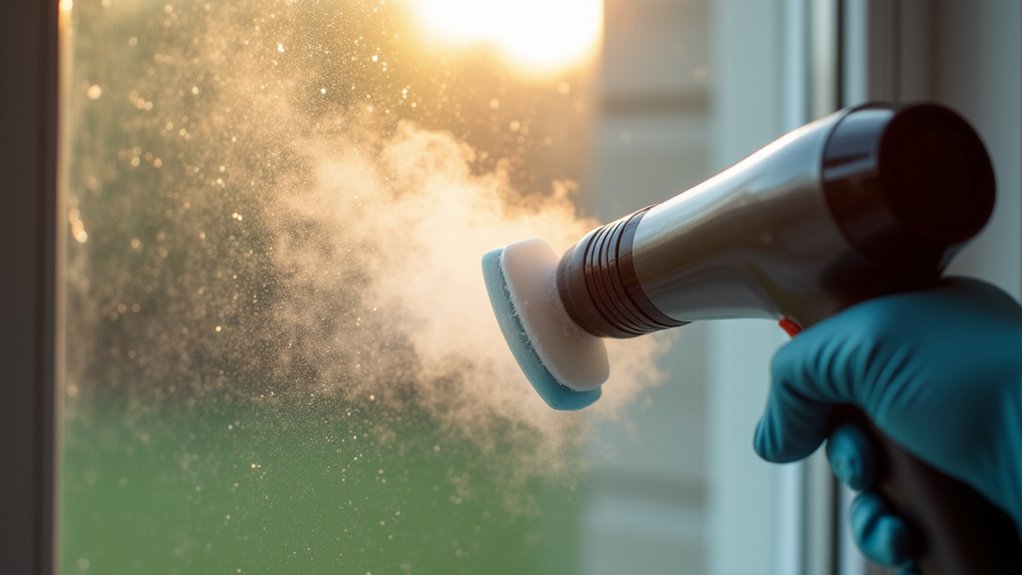
DIY kits offer cost savings and flexible timing. You’ll use basic tools, a utility knife and squeegee, following straightforward instructions. However, expect risks: bubbles, creases, and peeling that compromise both appearance and performance.
Professional installers bring specialized equipment including heat guns and precision cutters. They guarantee proper cleaning, exact alignment, and complete air removal. The result? Flawless application with superior durability and extensive warranties covering both film and labor.
Consider your priorities carefully. DIY failures mean wasted materials and removal headaches. Professional installation costs more upfront, potentially hundreds to thousands, but delivers long-lasting protective performance. For safety-critical applications, expert installation typically proves worth the investment.
Security film is only as good as the team installing it. At Ecovision Window Films, we don’t just apply film, we deliver peace of mind. Our experienced team assesses your property, recommends the right solution, and installs it with precision, whether it’s for a family home, storefront, healthcare facility, or government building. Because when it comes to protecting what matters most, you deserve more than just a quick fix. Call (236) 862-0052 today and let our experts handle the rest.
Frequently Asked Questions
How Long Does Security Window Film Typically Last Before Needing Replacement?
You can expect quality protective window film to last 15 to 20 years before you’ll need replacement. However, you’ll want to watch for warning signs like peeling edges, bubbling, yellowing, or visible adhesion failure. Climate exposure, UV intensity, and installation quality directly impact your film’s lifespan. You should inspect your film’s edges periodically and schedule replacement if you notice performance degradation or physical damage that compromises its safeguarding function.
Can Security Film Be Applied to Windows With Existing Tint or Coatings?
Yes, you can apply protective film to windows with existing tint or coatings, but you’ll need to verify compatibility first. You should consult manufacturer specifications, as darker tints and Low-E coatings create thermal stress risks that can cause glass breakage. Don’t layer films if combined VLT becomes excessively dark. Always hire certified installers who’ll evaluate your specific glass type, incorrect application voids both window and film warranties.
Does Security Window Film Void My Window Manufacturer’s Warranty?
Yes, safeguard film likely voids your window warranty, 71% of manufacturers exclude coverage once you apply any film. They’ll cite seal failure risks and surface treatment modifications as grounds for voidance.
However, you’re not left unprotected. Top film producers offer replacement warranties covering both glass and film for seal failures, matching your original coverage up to 19 years. You’ll need professional installation and enrollment in programs like VRGW to qualify.
How Do I Clean Windows After Security Film Has Been Installed?
Wait at least 30 days after installation before cleaning to let the film fully cure. Once cured, you’ll want to use a soft microfiber cloth or synthetic sponge with standard glass cleaner, Windex or diluted dish soap works well. Apply light pressure and wipe in one direction along any splices. Avoid abrasive tools, razor blades, or heavy scrubbing, as these can scratch or damage the film’s surface.
Will Security Film Trigger False Alarms With Glass-Break Detection Sensors?
Protection film can affect glass-break sensor performance, but it won’t necessarily cause false alarms. The bigger concern is *missed* detections, film can distort breaking glass sounds, reducing sensor accuracy. Some detectors, like Intellisense FG-16xx models, maintain 99.5% detection with 14-mil film, while others (Ajax GlassProtect) won’t respond at all to film-covered glass. You’ll need to verify your specific detector’s compatibility and consider testing or upgrading sensors after installation.