
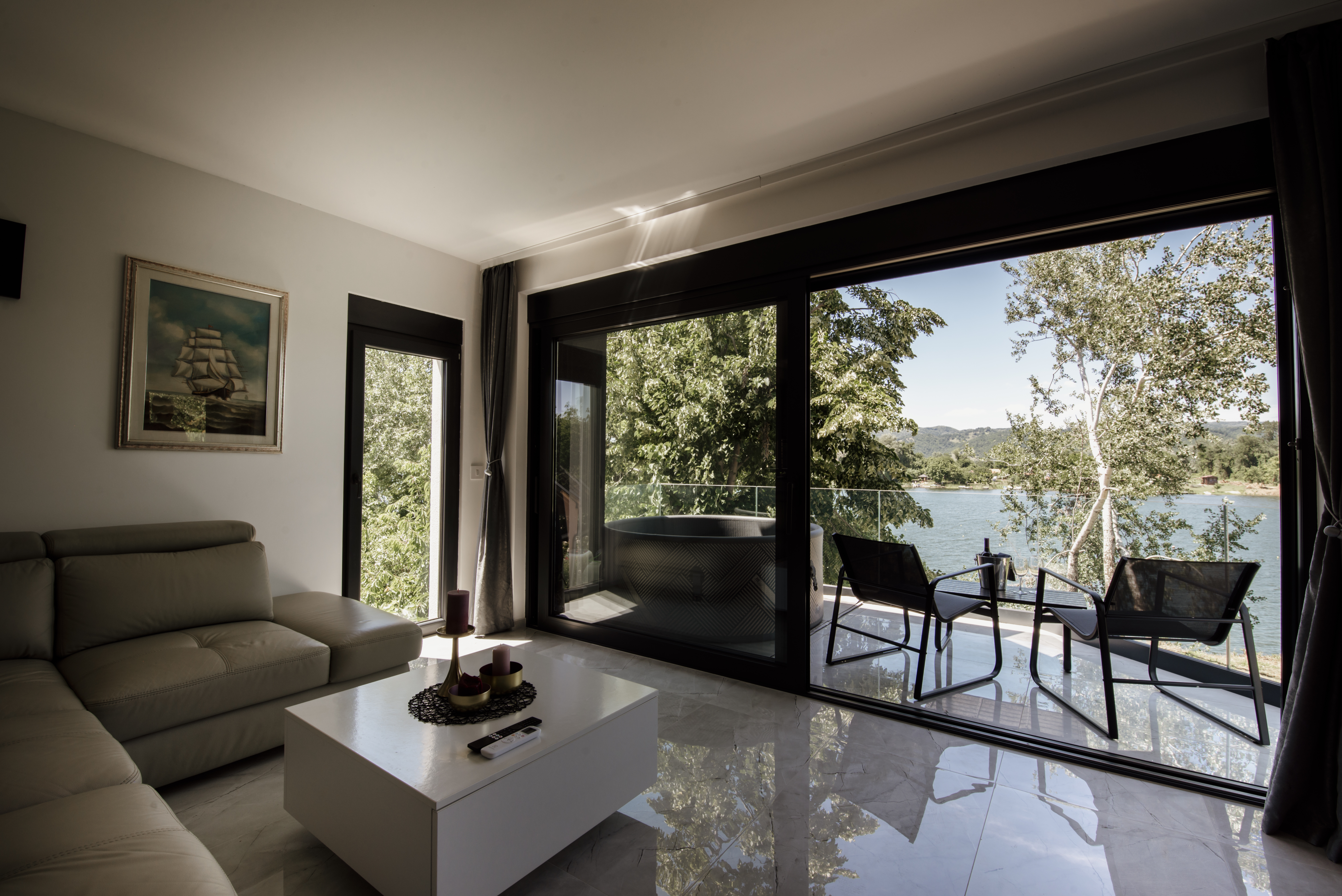
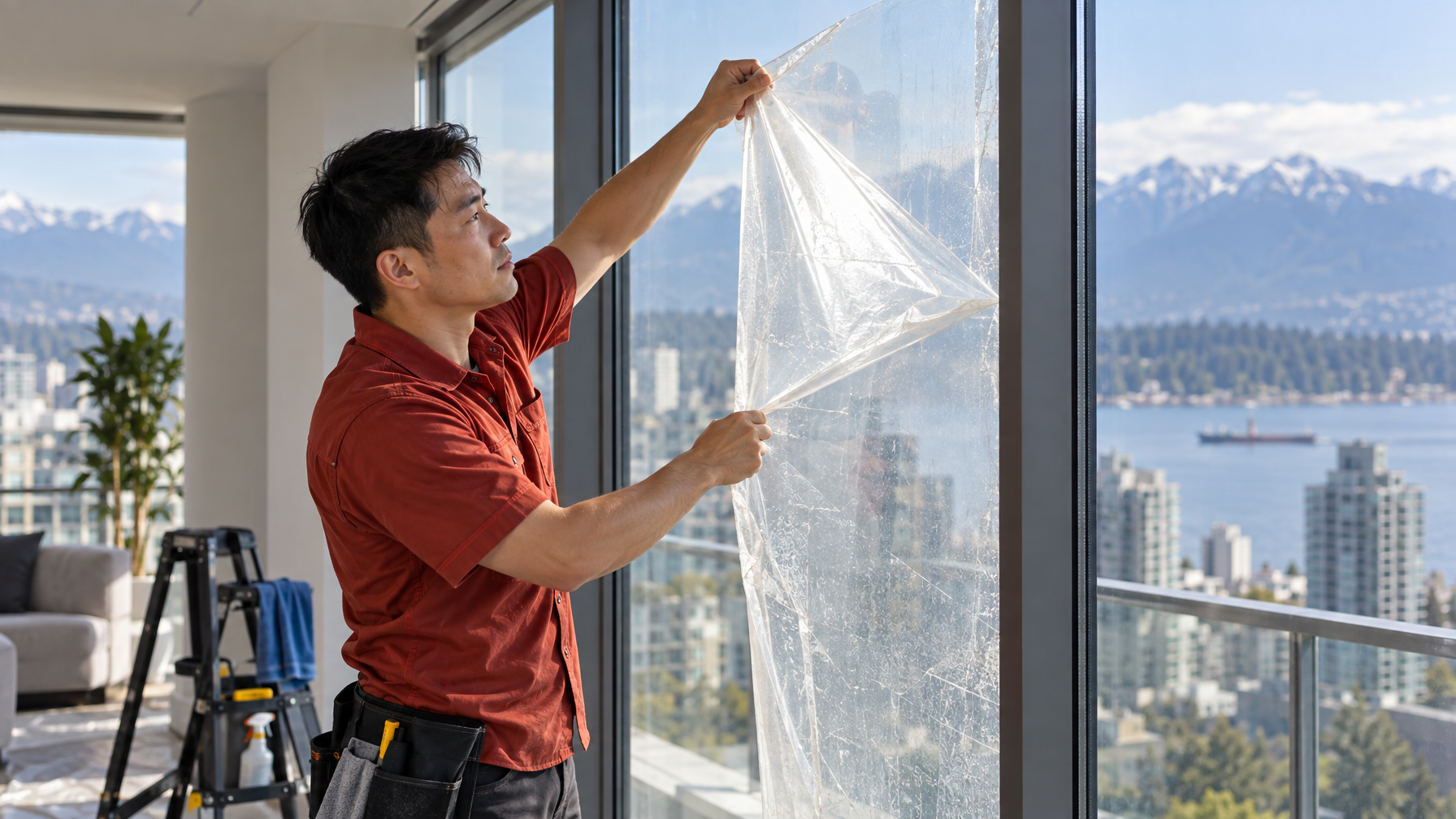
Clear glass looks harmless, but it passes a large share of ultraviolet radiation that fades hardwood, upholstery, and artwork year-round. In Metro Vancouver, south and west exposures stack that load from spring through early fall even on cooler days. For the UVA-specific answer, see whether does window film block UVA rays compared with clear glass alone.
Yes. Professionally installed architectural window film typically blocks up to 99% of UV-A and UV-B on the treated lite. Ecovision Window Films specifies LLumar and Vista UV and solar grades for homes and buildings across Vancouver and the Lower Mainland, with installed pricing quoted from our BC window film cost guide for clear UV and high-VLT solar film.
This guide covers window tinting for homes and buildings. Ecovision does not tint vehicles, for architectural glass only.
How Much UV Does Ordinary Window Glass Still Let Through?
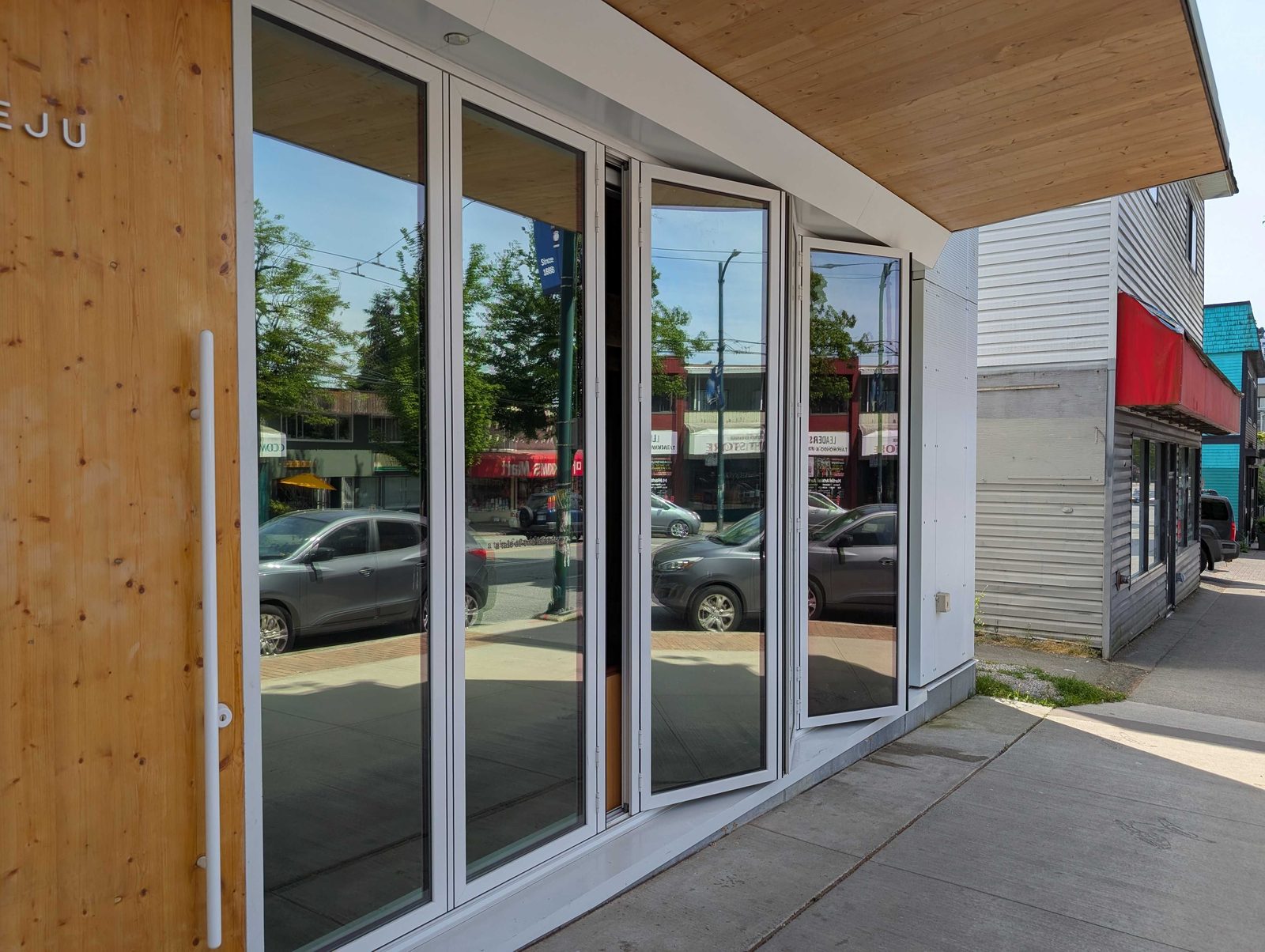
Most residential dual-pane units cut a portion of UV-B but still transmit a meaningful amount of UV-A, the longer-wave band that drives fabric fade and skin exposure indoors near glass. Industry guidance commonly notes that untreated architectural glass can still allow a large share of UVA into the room. That is why a bright Kitsilano living room can bleach a sofa arm in two to three summers even when the glass feels “modern.”
Low-E coatings help with heat and some solar control, but they are not a substitute for a dedicated UV absorber layer on every problem lite. Ecovision checks glass type first, then matches film absorption so the unit stays inside manufacturer comfort ranges. If your building already has Low-E, read our guide on window film on Low-E glass in BC before you order a dark solar grade.
Does Window Film Block UV Rays on Clear, Almost Invisible Film?
Yes. UV rejection is built into the film chemistry, not into how dark the glass looks. LLumar AU85UV (clear UV class) keeps about 78% visible light while still listing greater than 99% UV rejection on 6 mm dual clear test glass. High-VLT solar grades such as LLumar VS60 (59% VLT, 50% total solar energy rejected) and VS70 (62% VLT, 49% TSER) also list greater than 99% UV rejection while cutting heat and glare.
That matters for strata buildings that ban mirror-look exteriors. You can specify a near-clear film for fade control on heritage sashes or a light solar grade when the same room also overheats. Dark dyed films are the wrong first answer when the only complaint is fading.
What Is the Difference Between UV Blocking and Heat Rejection?
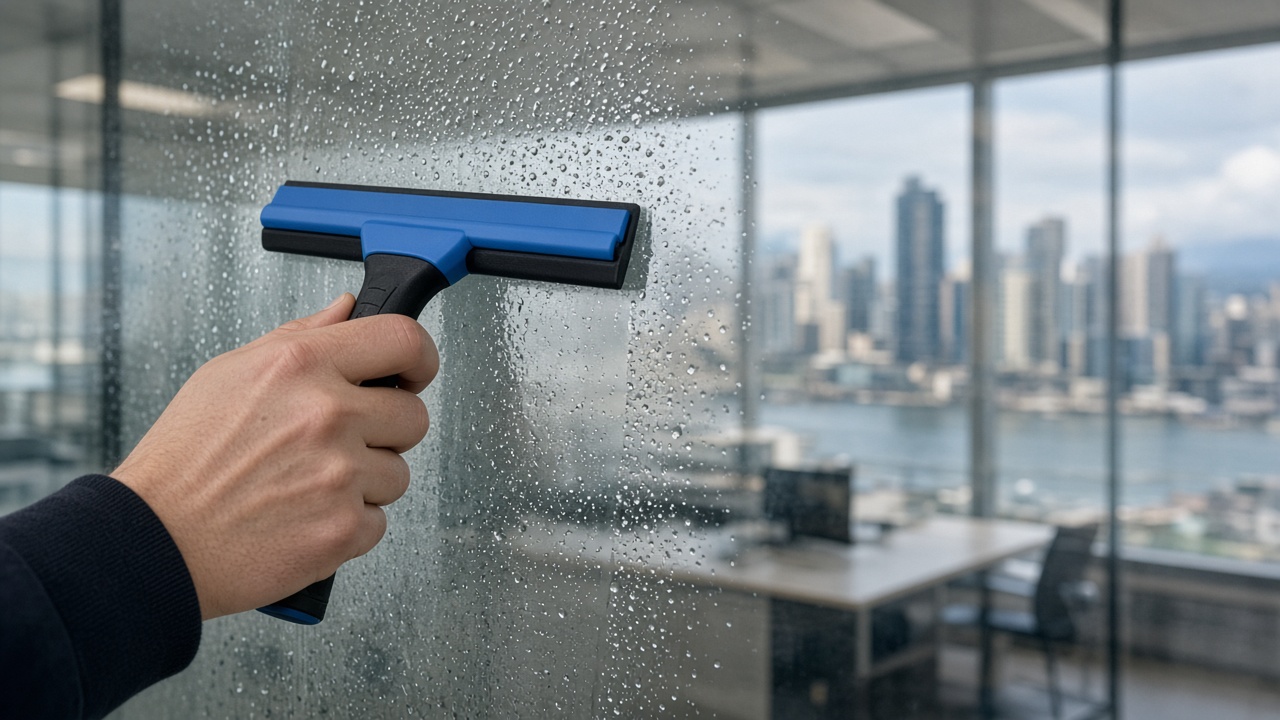
UV blocking and heat rejection solve different problems. UV is measured as the share of ultraviolet radiation stopped. Heat performance is usually reported as TSER (total solar energy rejected) or SHGC (solar heat gain coefficient). A clear UV film can stop nearly all UV while rejecting only about 30% of total solar energy. A stronger solar film still stops UV near 99% and may reject about 49 to 50% of solar energy on VS60 or VS70.
| Film role | Example grade | VLT (approx.) | UV rejection | Heat role | Installed range |
|---|---|---|---|---|---|
| Clear UV priority | LLumar AU85UV | ~78% | >99% | Light TSER (~31%) | See cost guide |
| High-VLT solar + UV | VS60 / VS70 | ~59 to 62% | >99% | ~49 to 50% TSER | See cost guide |
| Stronger heat + UV | Ceramic 35 / 45 | ~31 to 42% | >99% | Higher glare cut | See cost guide |
| Safety hold + UV | SCL SR PS series | High (clear) | >99% typical | Not a solar film | See cost guide |
If your main pain is a hot west wall in July, start with solar performance and treat UV as included. If the main pain is a museum-quality rug under a skylight, start with clear UV or VS70 and only step darker if heat samples fail. For furniture specifically, see does window film prevent furniture fade. Overhead glass is a special case. See our skylight solar film guide when the UV beam hits from the ceiling.
How Much Does UV Window Film Cost in BC?
Professionally installed UV and solar film for BC homes and commercial interiors is quoted from our BC window film cost guide for clear UV and high-VLT solar work. Security film on the same openings is quoted separately from that same guide. A living-room and hallway package is quoted on site from glass area and access, see the BC window film cost guide.
Price moves with divided lites, ladder or scaffold access, tempered or Low-E identification time, and whether you mix safety film on ground-floor glass. There is no City of Vancouver permit for interior architectural film on a normal condo suite. Ecovision prices after a site measure, not from a phone photo of one window.
Will UV Film Stop Furniture Fade Completely?
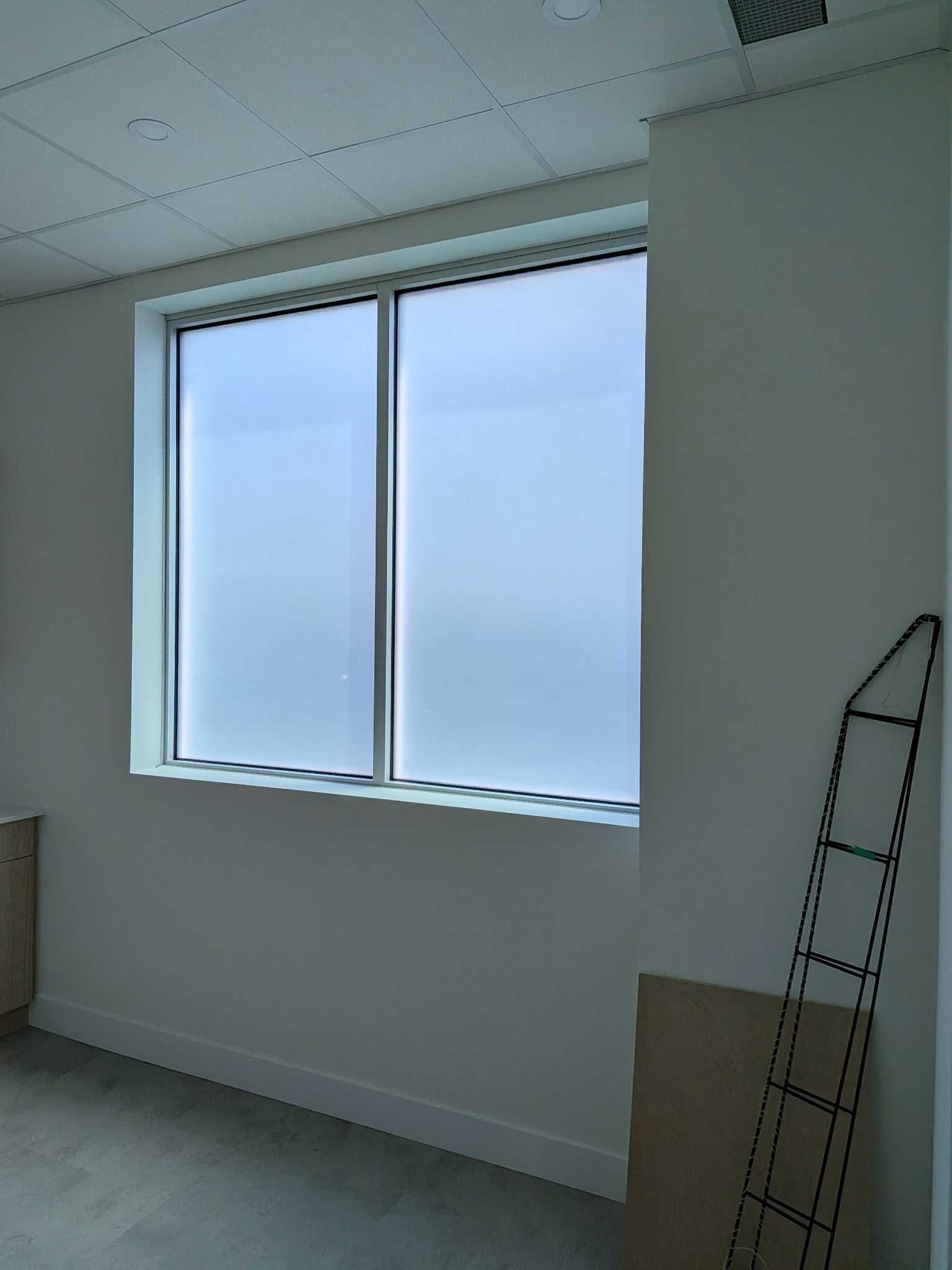
No honest installer promises zero fade forever. Fade is a mix of UV, visible light, heat, and material chemistry. Cutting UV by about 99% removes the most aggressive driver, which is why care homes and design-forward condos treat film as standard envelope work. At Rosemary Heights, solar film on sun-exposed suites was specified to slow furnishing fade and cut summer heat in the same pass. Guildford Seniors Village and Windermere Care Centre projects follow the same logic: protect interiors without locking residents into dark rooms.
On commercial towers such as Bentall 4, high-performance solar film is specified for comfort and envelope performance. UV rejection still travels with those grades. Rocky Mountaineer glass packages show how aggressive solar control and UV control can sit on the same commercial program when heat is the primary driver.
How Long Does UV Protection Last After Installation?
Manufacturer-backed architectural film from LLumar and Vista is built for multi-year exterior sun exposure on the glass face that receives the film (almost always the interior surface in BC). Residential warranties commonly run in the 10 to 15 year band depending on product and exposure. Commercial terms are often 5 to 10 years. The adhesive cures over 30 to 60 days. Fine moisture haze during that window is normal and is not a UV failure.
DIY static-cling sheets rarely match certified UV data sheets or edge workmanship on large lites. When a property manager needs documented performance for a strata package, Ecovision installs only LLumar and Vista architectural lines and leaves a product schedule on file.
What Should BC Homeowners Check Before Booking UV Film?
Walk the house at 11 a.m. and 4 p.m. Mark every lite that hits fabric, art, or a desk. Note Low-E stamps, cracked seals, and strata exterior rules. Decide whether you need UV-only clarity, UV plus heat cut, or UV plus safety hold on patio doors. For broader heat and glare context, see our heat and glare services page.
BC Energy Step Code and CleanBC conversations often focus on heating and cooling loads. UV film is not a full envelope retrofit by itself, but solar grades that also reject heat support comfort upgrades without replacing every sash. City of Vancouver bird-friendly rules are a separate specification when patterned bird film is required on exterior-facing glass.
Related Articles
- Window Film for Skylights in BC: Heat Control Without Darkening the Room
- Can You Put Window Film on Low-E Glass in BC?
- Solar Window Film for Vancouver Homes
- Window Film for Heritage Windows in BC
- Does Window Film Stop Sun Glare Without Darkening Your Glass?
- does window film block infrared heat
FAQ
Does window film block UV rays completely?
Quality architectural film from LLumar and Vista typically rejects greater than 99% of UV-A and UV-B on the treated glass. That is near-complete UV control, not a claim that visible light or heat disappear. Ecovision specifies the grade after measuring your BC glass and exposure.
Can clear window film still block UV in Vancouver homes?
Yes. Clear UV grades such as LLumar AU85UV keep high visible light (about 78% VLT on test glass) while listing greater than 99% UV rejection. Many Vancouver and Lower Mainland suites choose clear UV or VS70 when strata rules limit exterior tint appearance.
How much does UV blocking window film cost in BC?
Clear UV and high-VLT solar film, and security film when added, are quoted from our BC window film cost guide. Final price depends on glass area, access, and Low-E coatings, not a fixed list price on this page.
Does UV film also reduce heat and glare?
Only if you choose a solar control grade. Clear UV film prioritizes ultraviolet rejection. VS60 and VS70 add about 49 to 50% total solar energy rejection with high daylight. Ceramic 35 or 45 step further on glare when VS samples still feel bright.
How long after installation does UV film finish curing?
Plan on a 30 to 60 day cure. Small water pockets or haze during that period are normal. UV performance is present once the film is applied; the cure period is about adhesive clarity and edge stability, not a delayed UV switch.
About the Author: This article was written by the Ecovision Window Films team, led by Xander, Co-Founder and Director of Operations at Ecovision. Xander brings over 10 years of hands-on installation experience, backed by a family with over 50 years in the installation trades, including window film. His military background reinforces the precision and discipline Ecovision applies to every project. Ecovision is a certified installer for leading film brands with completed projects for healthcare facilities, government buildings, and commercial properties throughout the Lower Mainland. For a free site assessment, call (236) 862-0052 or visit ecovisioncanada.com/contact/.
Ready to stop UV fade on your BC glass? Call Ecovision Window Films at (236) 862-0052 or book a free assessment at ecovisioncanada.com/contact/.