
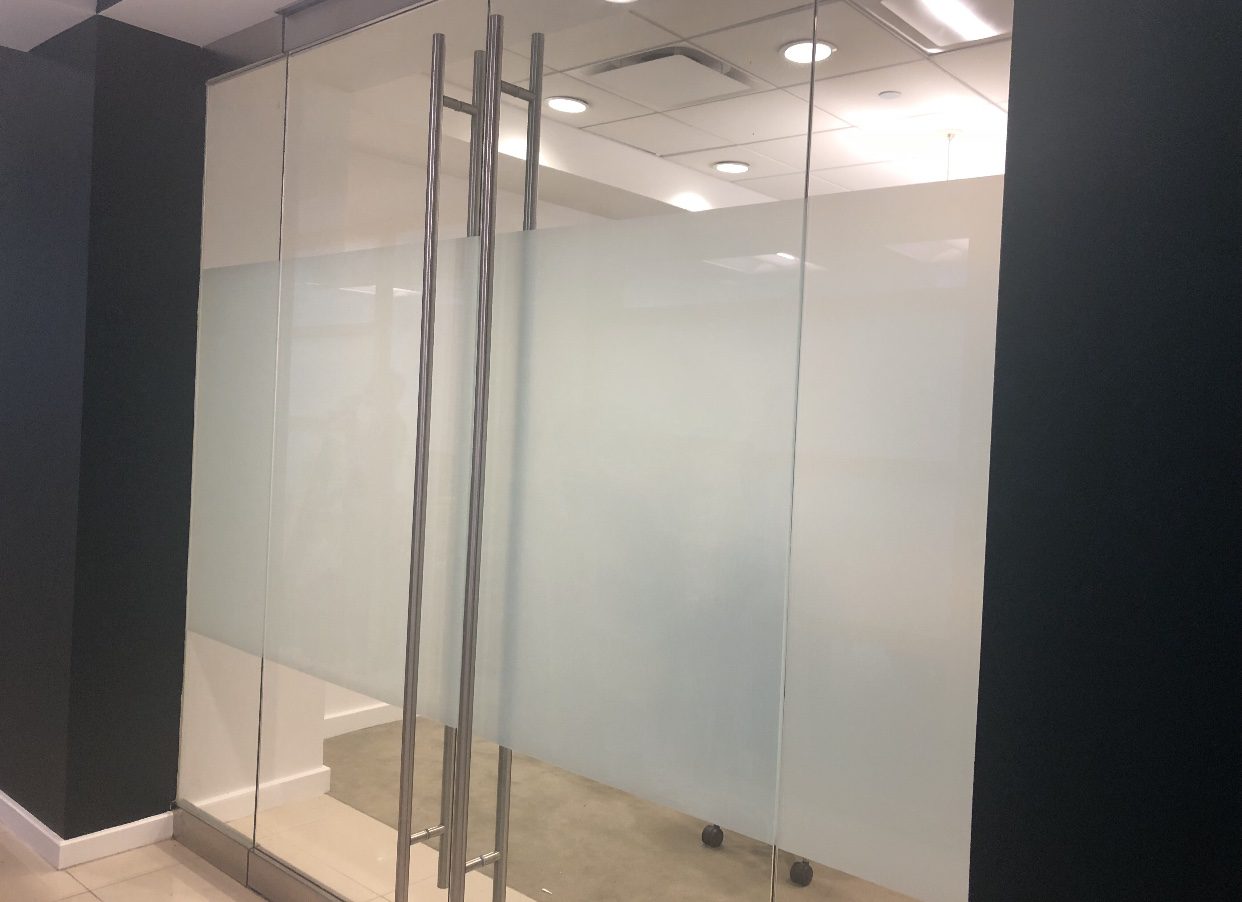
Small water pockets and haze under freshly installed architectural window film are common during the cure window. Ecovision Window Films explains what is normal on Vancouver and Lower Mainland glass, when bubbles need a callback, and how LLumar and Vista professional installs dry over 30 to 60 days.
Direct Answer: Temporary water pockets and fine moisture bubbles under new window film are usually normal while installation solution evaporates. Most clear within days to a few weeks; full adhesive cure takes 30 to 60 days in BC climate. Hard, dirty, or edge-lifted bubbles that do not improve after that window need a professional check, not a fingernail or razor DIY fix.
This guide covers window tinting for homes and buildings. Ecovision does not tint vehicles, for architectural glass only.
What Are Water Pockets Under New Window Film?
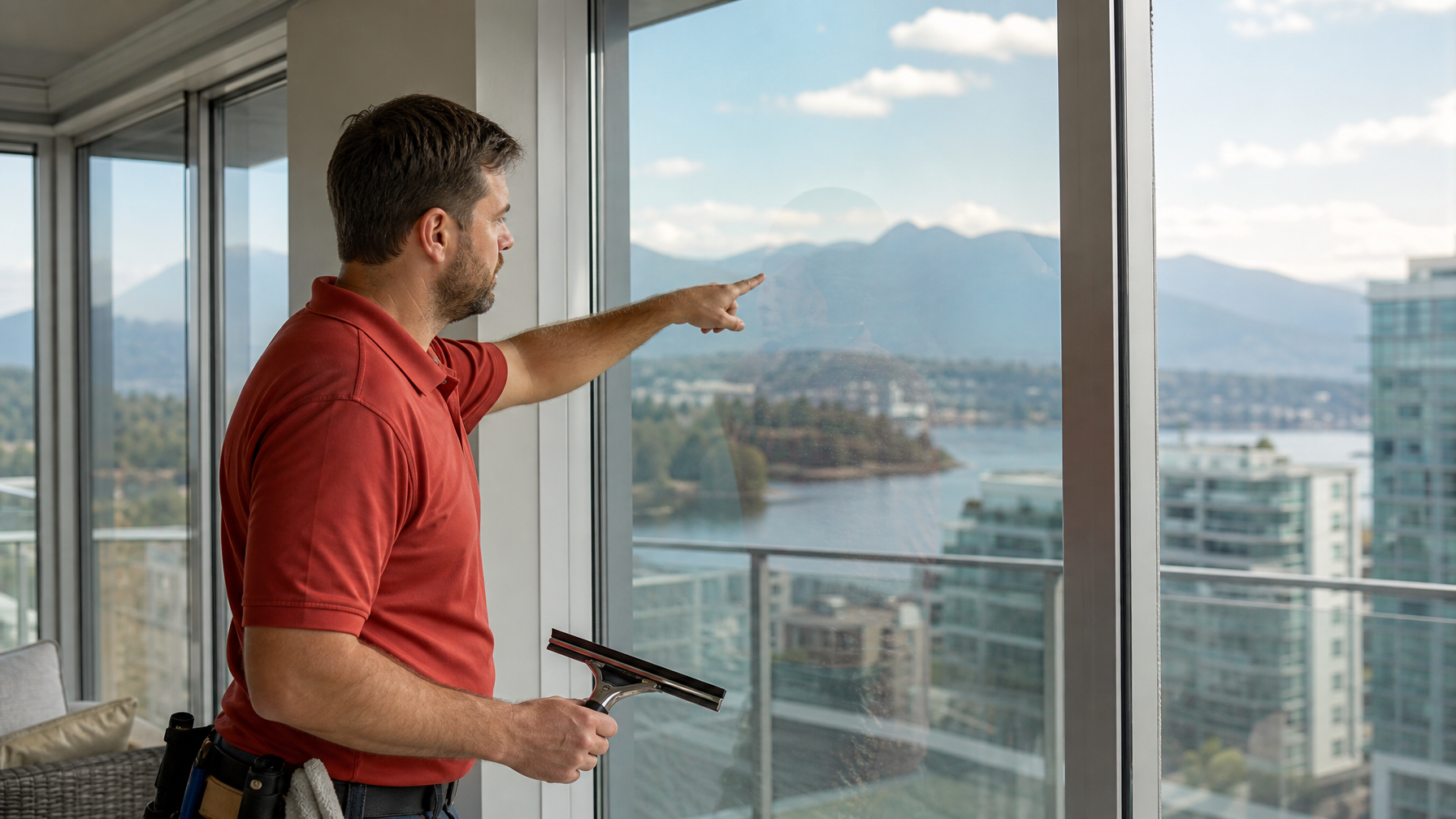
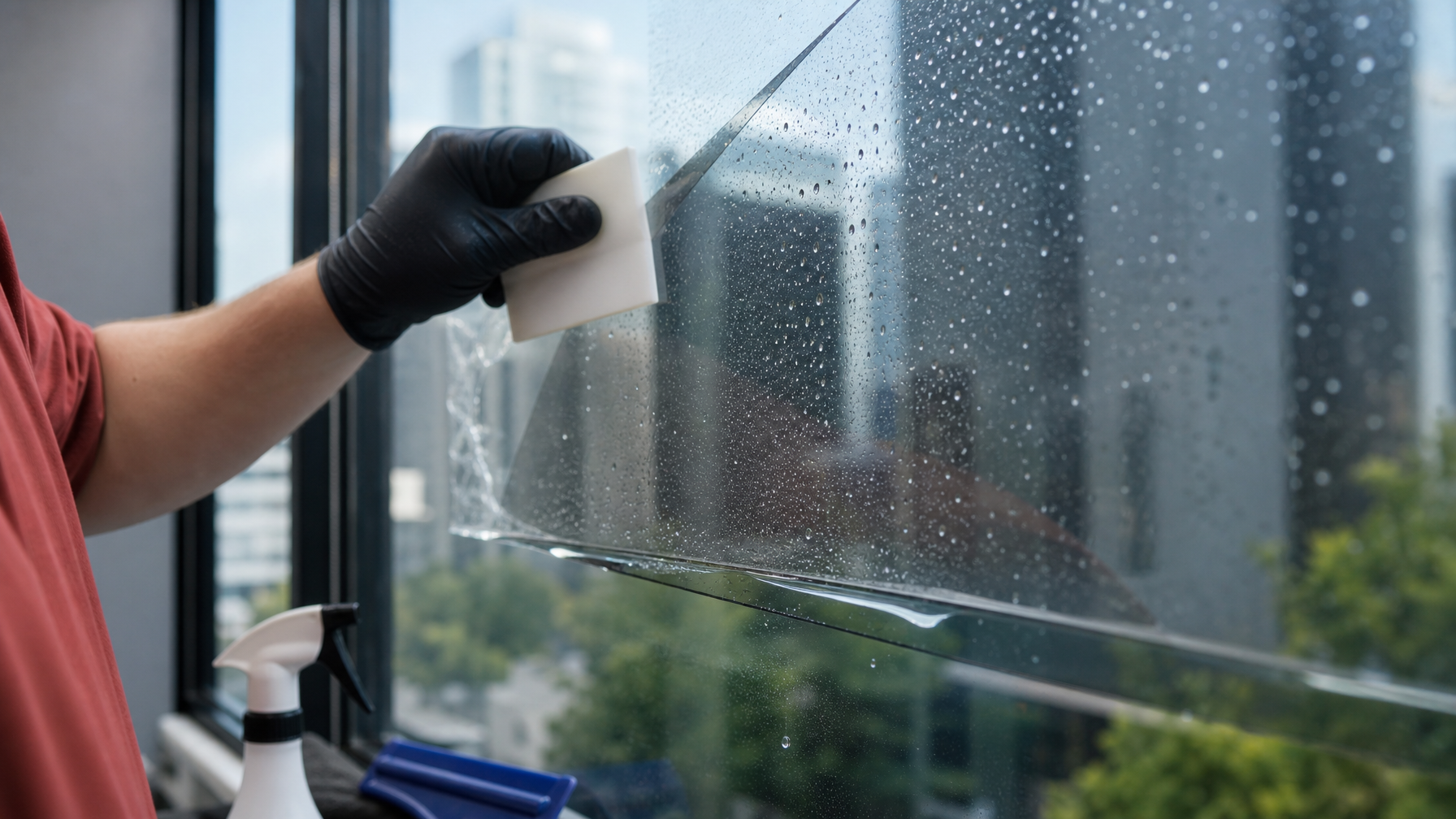
Water pockets are small volumes of install solution trapped between the film adhesive and the glass after squeegeeing. They look like clear or slightly cloudy blisters, often larger than a pinhead and sometimes the size of a coin on big commercial lites. Fine orange peel haze is related: microscopic moisture still sitting in the adhesive layer. Both are part of wet-mount installation on solar, privacy, safety, and security film, not a sign that LLumar or Vista film was defective out of the box.
Ecovision Window Films installs architectural film across Metro Vancouver, from west-facing condo glass to multi-lite commercial elevations similar in scale to projects around Bentall 4 and glazed commercial hubs. Crews leave clients with a short cure brief because the glass rarely looks showroom perfect on day one, and that is expected.
Why Do Bubbles Appear After Professional Installation?
Professional wet application uses a slip solution so the film can be positioned, trimmed, and squeegeed without scratching the adhesive. Even with firm, overlapping squeegee passes, some solution remains under the film. As water migrates to the edges and evaporates through the film layers, the adhesive bonds to the glass. Cooler BC weather, north elevations, dual-pane insulated glass, and thicker security film slow that migration compared with a hot, dry climate.
DIY static-cling and low-cost retail film often show more permanent bubbles because the glass was not cleaned to commercial standards, edges were dry-fitted poorly, or the product lacks the adhesive system used on certified architectural lines. A professional install still can show temporary pockets; the difference is that those pockets should shrink on a predictable schedule when the glass was properly prepared.
How Long Do Water Pockets Take to Clear in BC?
Most small water pockets on residential solar and frosted film improve within 3 to 14 days in summer and 1 to 4 weeks in cooler shoulder seasons. Full manufacturer cure for professionally installed architectural film is 30 to 60 days. During that period the adhesive reaches design bond strength. Security film at 8 mil and above and multi-layer stacks can look hazy longer because more solution starts under a thicker laminate.
At senior living sites such as Rosemary Heights and Windermere Care Centre style facilities, Ecovision schedules post-install walkthroughs after the early cure window so facility managers can separate normal haze from anything that needs rework. Coastal humidity in Vancouver and Surrey does not ruin the install; it simply lengthens drying compared with interior BC summer heat.
| Observation | Typical timeline (BC) | Action |
|---|---|---|
| Fine haze / orange peel | Days to 2-3 weeks | Wait; avoid cleaning pressure |
| Clear water pockets under 1-2 cm | Often gone inside 2-4 weeks | Monitor; photo log if large |
| Thicker security film haze | Up to full 30 to 60 day cure | Expected; recheck at end of cure |
| Dirty, gritty, or sharp-edged bubbles | Do not clear | Call installer; do not poke |
| Edge lift or peeling | Anytime | Immediate professional inspection |
When Are Bubbles a Real Problem?
Call your installer when bubbles contain grit or hair, when the film edge lifts, when a large pocket grows instead of shrinking after two weeks of stable indoor temperature, or when the film looks wrinkled or stretched. Contamination bubbles will not cure out. Adhesive failure or dry spots from rushed DIY work also stay. Normal cure pockets are clear or milky moisture without debris and sit fully under sealed edges.
Never press hard with fingernails, credit cards with grit, or razor blades on tempered or Low-E glass during cure. You can crease the film, scratch the lite, or force dirty water into a larger blister. Ecovision prefers a scheduled revisit over owner attempts that void a clean warranty path on LLumar and Vista products.
What Should You Avoid During the 30 to 60 Day Cure?
Do not roll windows if any operable sash received film until your installer clears them. Avoid ammonia glass cleaners and abrasive pads. Skip high-pressure washer spray on exterior of dual-pane units near fresh interior film edges. Do not apply vinyl graphics, stickers, or suction-cup devices on the film until cure is complete. Wait the full 30 to 60 days before secondary graphics, matching the same rule Ecovision uses when coordinating brand vinyl after solar film on commercial glass.
Soft microfibre and film-safe cleaner after the first few days is usually fine for light dust on the room-side surface. If you are unsure, wait until the haze has cleared. Interior temperatures that swing hard (doors propped open in winter rain, then heat cranked) slow adhesive set on large elevations.
How Does Film Type Change Cure Appearance?
High-VLT solar films such as LLumar VS60 and VS70 show water pockets clearly because you can see through them. Darker ceramic grades (Ceramic 35 / 45) hide haze better from outside but still need the same cure patience from the room side. Frosted and decorative films can look patchy until moisture equalizes. Safety and security film holds more solution under the stack, so patience is part of the specification conversation before install day.
On retail and station-scale glass similar to Rocky Mountaineer project environments, Ecovision stages elevations so tenants see progressive improvement bay by bay rather than judging the whole facade on day one. Property managers who photograph the same lite weekly usually see the story better than a single anxious glance under raking afternoon sun.
Does Cure Affect Heat Rejection or Warranty?
Solar performance begins as soon as the film is on the glass, but optical clarity and full adhesive bond continue through the 30 to 60 day cure. Manufacturer warranties on professional LLumar and Vista architectural film assume correct surface prep, approved install methods, and no premature owner damage. Temporary water pockets alone do not void coverage. Unauthorized razor work, third-party peel attempts, or layering vinyl too early can.
Professionally installed architectural film in BC typically ranges from $9 – $22 per square foot depending on type: residential solar $10 – $18, commercial solar $9 – $18, frosted privacy $9 – $14, safety $12 – $18, security $16 – $22. Cure support and a callback policy are part of what that installed price covers versus a box-store roll.
What Should BC Homeowners and Property Managers Do Next?
Photograph concerning areas in natural light on day 1, day 7, and day 21. Compare size and clarity. Share the set with your installer if pockets grow, fill with debris, or remain unchanged after the full cure window. For new projects, ask Ecovision during the site assessment how your glass type (annealed, tempered, dual Low-E) and film thickness will affect the look of the first month. That conversation prevents surprise tickets to facilities desks across Burnaby, Richmond, Surrey, and downtown Vancouver strata buildings.
If film was installed years ago and new bubbles appear with purple dye fade or edge peel, that is aging failure, not cure. See our guides on signs film needs replacing and professional removal before re-film. For heat-control product choices after a clean re-install, review how much window film costs in BC.
Related Articles
- 5 Signs Your Window Film Needs Replacing: What BC Homeowners and Property Managers Need to Know
- How to Remove Window Film Without Damaging Your Windows
- Solar Control Window Film Removal in BC: Cost, Process, and What Property Owners Need to Know
- How Long Does Professionally Installed Window Film Last in BC?
- Can Vinyl Decals and Graphics Be Applied Over Window Film? What BC Property Owners Need to Know
Frequently Asked Questions
Are water bubbles normal after window film installation in Vancouver?
Yes. Clear or milky water pockets under new architectural film are common while install solution evaporates. In Metro Vancouver coastal climate, small pockets often take days to a few weeks to clear, with full adhesive cure over 30 to 60 days. Debris-filled or edge-lifted bubbles are not normal cure and need a professional look.
How long should I wait before cleaning new window film?
Use only a soft cloth and film-safe cleaner after the first few days for light dust. Avoid ammonia, abrasives, and hard squeegee pressure on the film face during the early cure. Wait the full 30 to 60 days before vinyl graphics, suction cups, or aggressive cleaning near edges.
Can I pop a water pocket under window film myself?
No. Piercing film traps dirt, can crease the laminate, and may scratch tempered or coated glass. Document the pocket with photos and contact your installer. Professional crews can often work a clean pocket or schedule a warranty-minded rework without DIY damage.
Do thicker security films take longer to cure?
Yes. Multi-mil safety and security stacks hold more solution and often show haze longer than thin solar film. Plan on the full 30 to 60 day cure before judging optical quality on 8 mil and thicker products installed on BC commercial glass.
How much does professional window film cost if I need a re-install after bad DIY bubbles?
After proper removal and glass prep, new architectural film in BC typically runs $9 – $22 per square foot installed depending on type. Removal of failed DIY film is quoted separately. Ecovision provides on-site assessments across the Lower Mainland at (236) 862-0052.
About the Author: This article was written by the Ecovision Window Films team. Edward, Director at Ecovision, brings a distinctive perspective to the window film industry, with over a decade in real estate development, including roles as Executive Director at a real estate development firm and Director of Strategic Partnerships, before joining Ecovision. That background gives the company a sharp edge in serving BC property managers and building owners. Ecovision is a certified installer for leading film brands with completed projects for healthcare facilities, government buildings, and commercial properties throughout the Lower Mainland. For a free site assessment, call (236) 862-0052 or visit ecovisioncanada.com/contact/.