
This guide covers window tinting for homes and buildings. Ecovision does not tint vehicles, for architectural glass only.
Quick Answer
Direct Answer: Yes. Architectural solar film blocks a large share of near-infrared energy that you feel as heat. On 6 mm dual-clear test glass, LLumar VS60 lists about 50% TSER at 59% VLT, and VS70 lists about 49% TSER at 62% VLT. Ecovision Window Films specifies these grades across Vancouver and the Lower Mainland when you want heat control without a dark look.
Does Window Film Block Infrared Heat on Vancouver Glass?
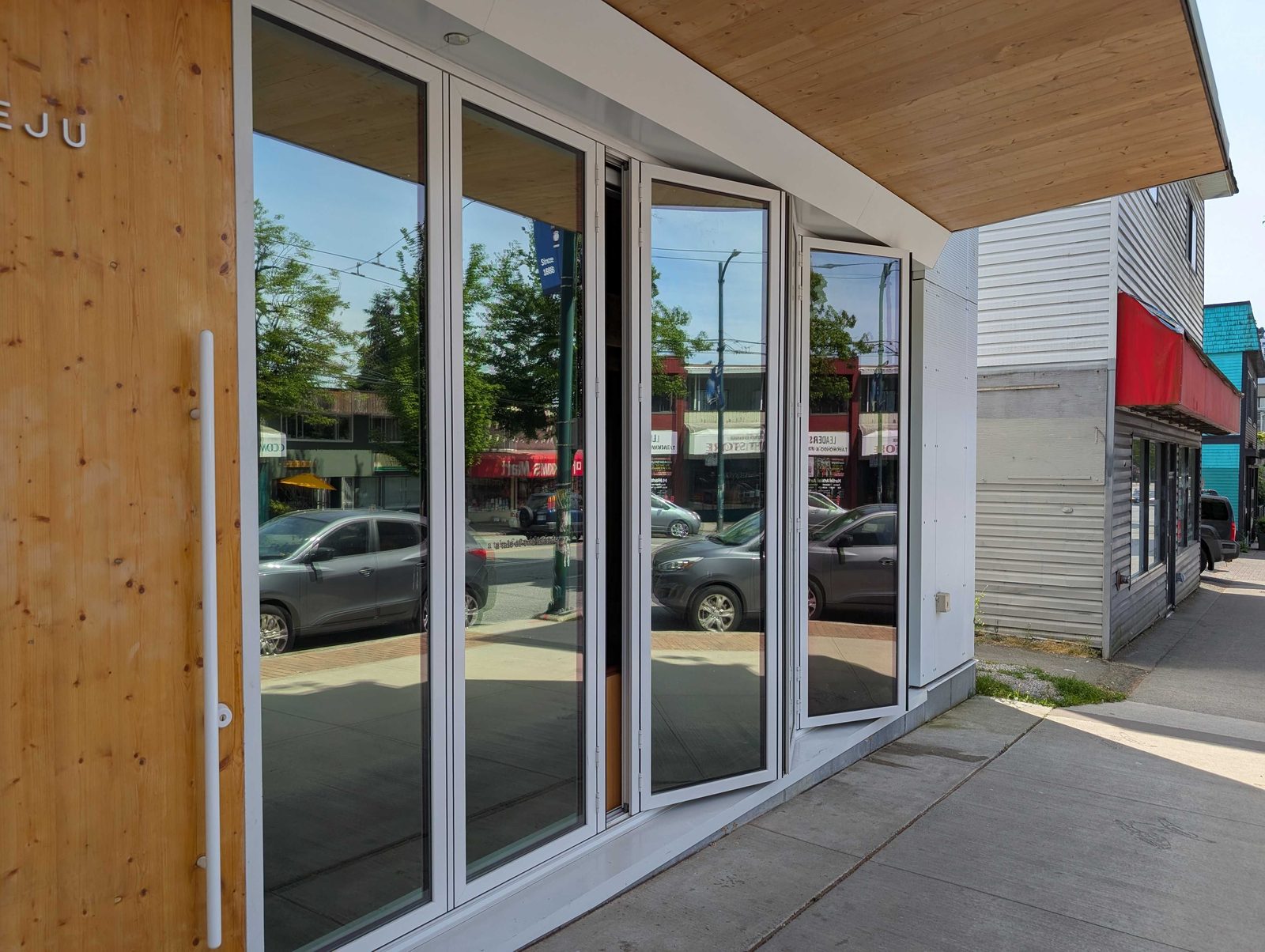
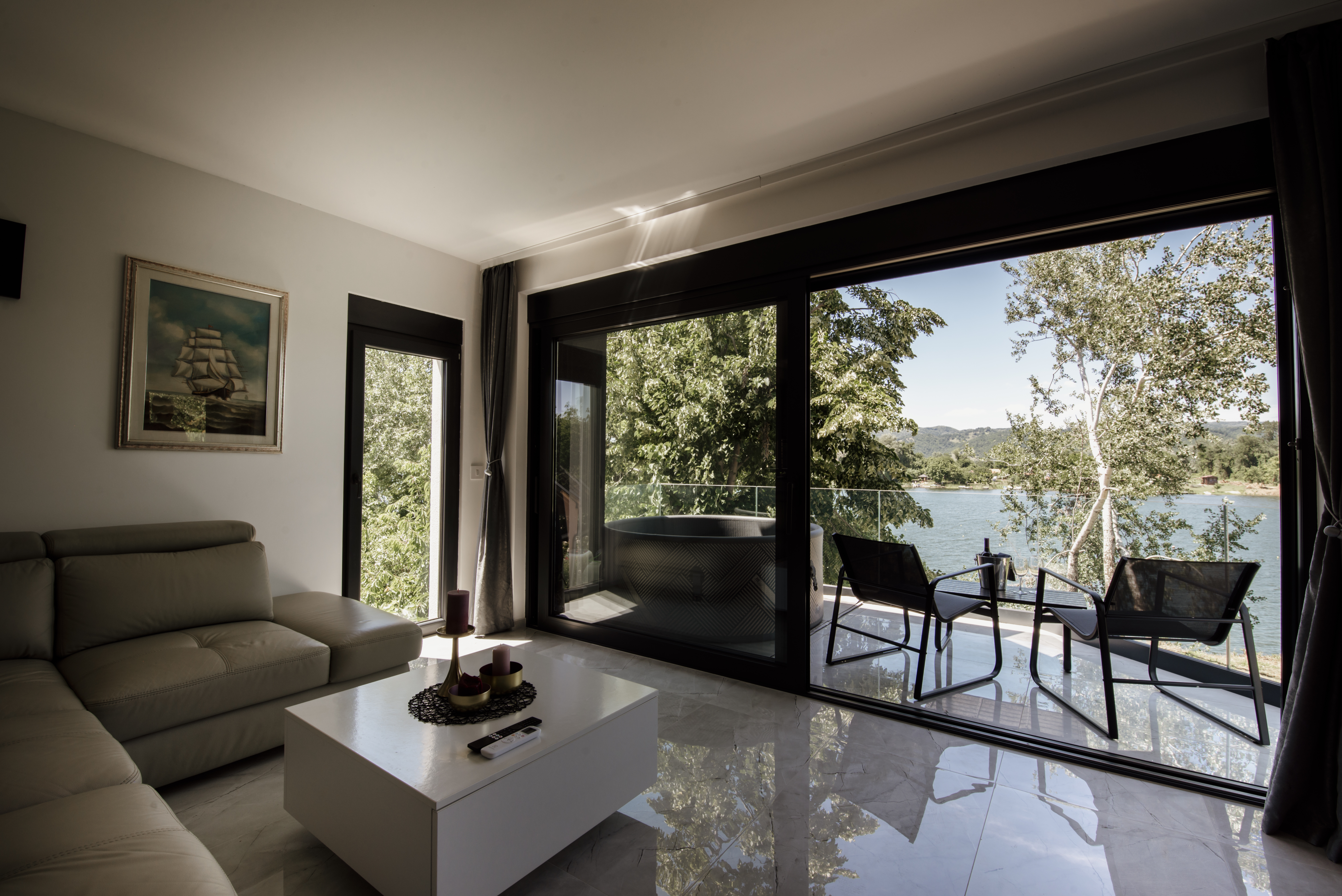
Yes, when you specify a solar-control grade, not a decorative frost. Sunlight hitting a west wall in Kitsilano or a south tower at Bentall 4 carries ultraviolet, visible light, and infrared. Infrared is the band that warms desks, floors, and people. Spectrally selective film such as LLumar VS60 and VS70 is built to cut that heat while leaving most of the view. Pair this with our primer on does window film block UV rays if fade is also a concern.
Clear dual-pane glass still transmits a large share of near-infrared. That is why a Port Moody living room can feel 5 to 10°C hotter than the shaded hallway on the same floor. Film does not replace HVAC. It reduces the solar load at the lite so rooms stay closer to the thermostat setpoint.
What Share of Heat Is Infrared Versus Visible Light?
Roughly half of the solar energy that reaches indoor glass is infrared. Visible light still carries heat, which is why a dark dyed film can feel cooler even when it looks gloomy. Spectrally selective grades target infrared first so you keep daylight. On 6 mm dual clear, VS60 keeps about 59% visible light with 50% total solar energy rejected. VS70 keeps about 62% VLT with 49% TSER. Both list greater than 99% UV rejection.
If glare is the complaint, Ceramic 35 (31% VLT, 46% TSER) or Ceramic 45 (42% VLT, 41% TSER) is the step-down after VS grades fail the glare test. Do not start with a mirror film on a strata elevation that already banned reflective looks. See how heat-blocking window film handles south and southwest-facing Vancouver glass for exposure-specific notes.
Is Clear Solar Film Enough, or Do You Need Dark Tint?
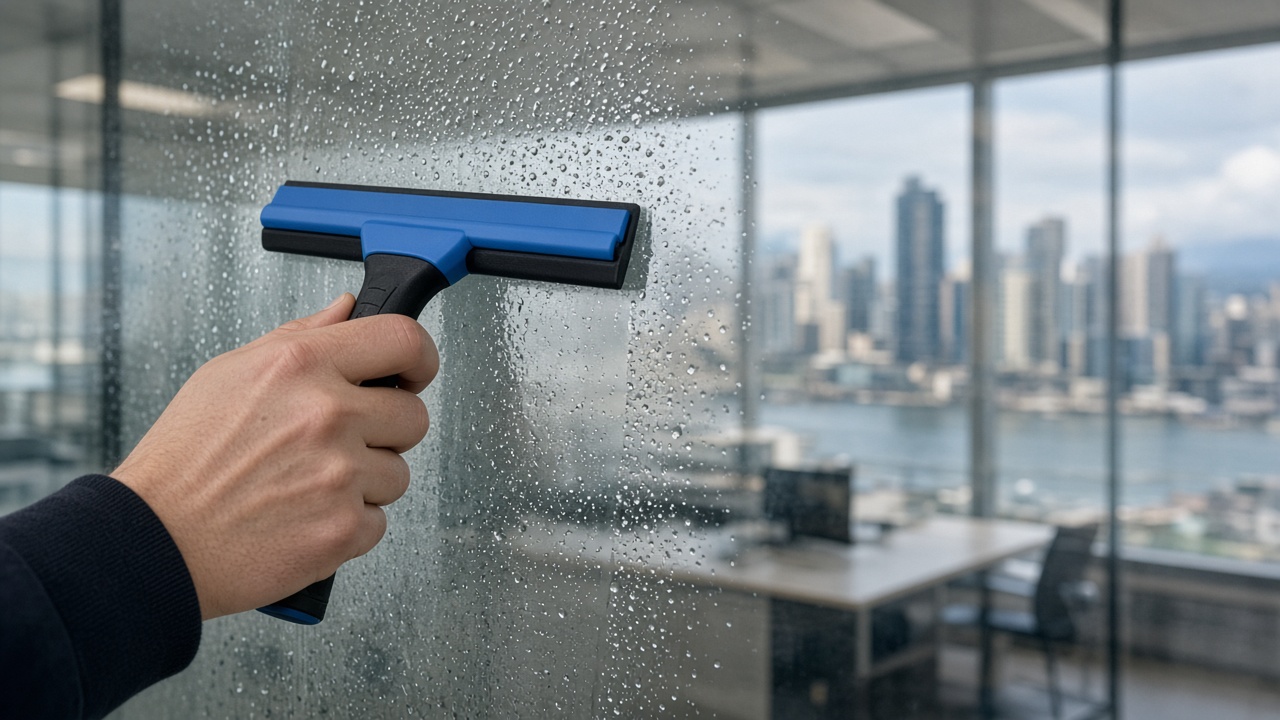
Clear UV-only film such as AU85UV (about 78% VLT, 31% TSER) is not an infrared solution. It protects furnishings. It does little for afternoon heat. If the room overheats, specify VS60 or VS70 first. Rocky Mountaineer-style large lites and Bentall 4 office glass usually need that solar step, not a privacy dye. Dual-reflective DR grades drop VLT to 5 to 25% and raise TSER, but they change the exterior look and often fail strata review.
How Much Does Infrared-Control Film Cost in BC?
| Film role | Example grade | VLT (approx.) | TSER (approx.) | Installed range |
|---|---|---|---|---|
| Clear UV only | LLumar AU85UV | 78% | 31% | See pricing guide |
| High-VLT solar (default) | LLumar VS60 / VS70 | 59 to 62% | 49 to 50% | See pricing guide |
| Stronger glare control | Ceramic 35 / 45 | 31 to 42% | 41 to 46% | See pricing guide |
| Commercial solar | Same grades | 31 to 62% | 41 to 50% | See pricing guide |
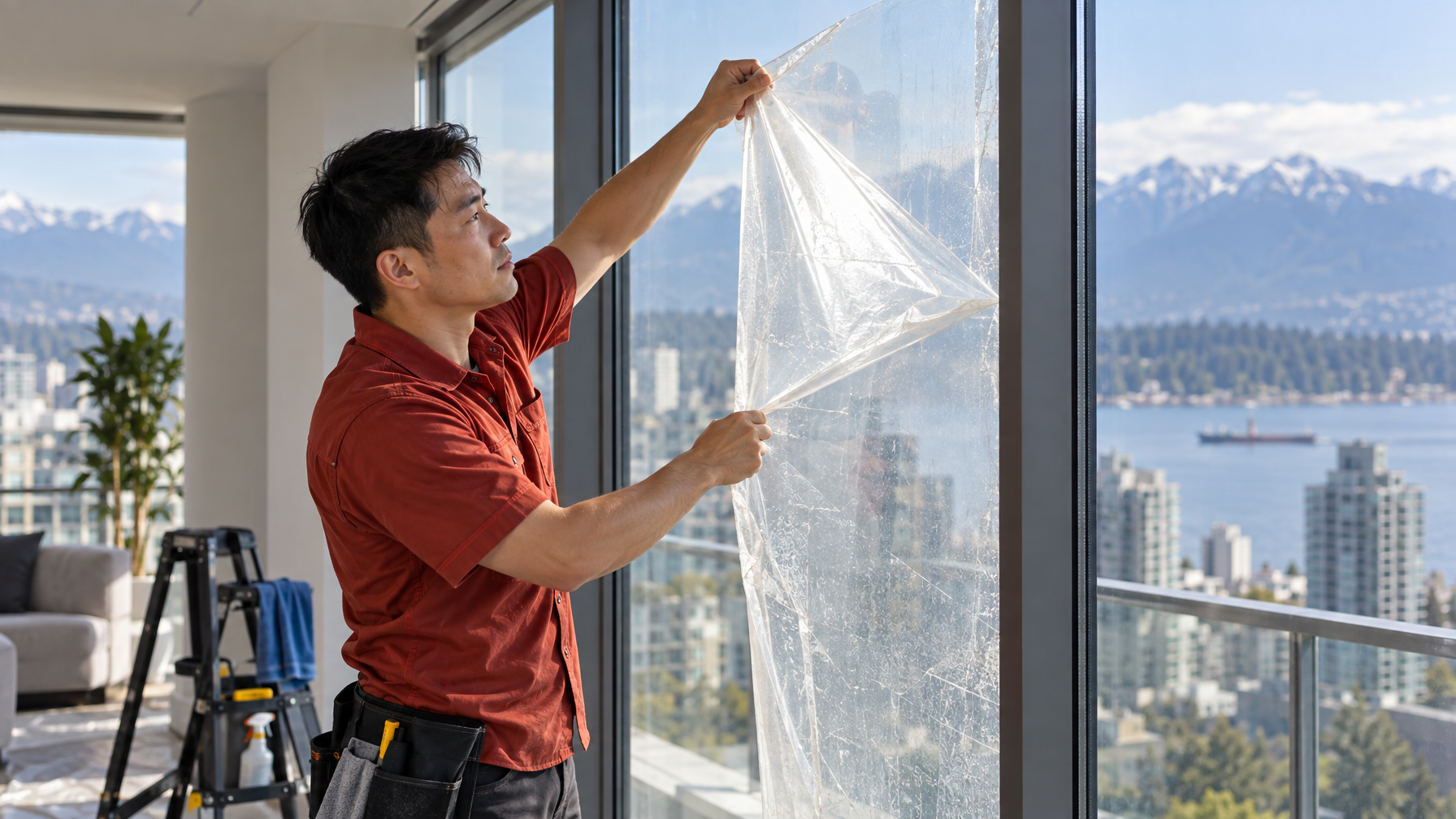
Residential and commercial solar work in Metro Vancouver is priced after a site measure. Security laminates are quoted separately. Published ranges live in our how much does window film cost in BC 2026 pricing guide. Cure time after a wet install is 30 to 60 days. Haze during that window is moisture, not a failed infrared coat.
Will Infrared Film Work on Double-Pane and Low-E Units?
Fog trapped between dual-pane lites is a failed IGU seal, not solar film. Read does window film cause condensation between double pane windows before you book heat-control film on a cloudy unit. 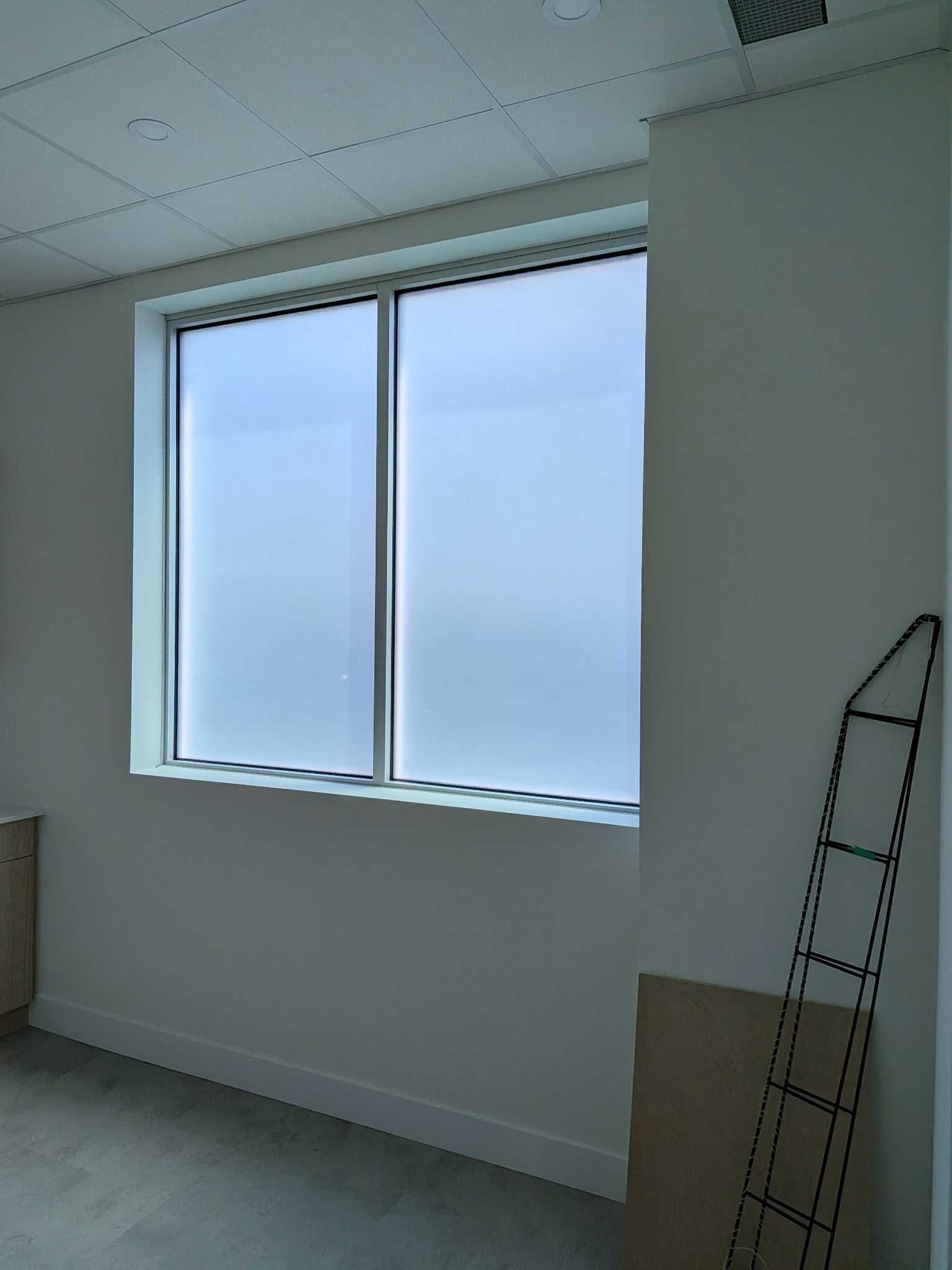
Yes, on most dual-pane units, if the glass and existing Low-E coating stay inside manufacturer heat-absorption limits. Ecovision checks lite type before specifying a dark ceramic. VS60 and VS70 are the default on Low-E IGUs because they keep visible light high and absorption moderate. Dark films on already-coated glass can raise the risk of thermal stress. That survey is part of a site visit, not a catalogue guess.
Healthcare and senior sites such as Rosemary Heights and Windermere Care Centre often choose high-VLT solar so rooms stay bright for residents while west glass stops cooking the interior. Guildford Seniors Village and MacLean Park follow the same logic: treat the hot elevation, leave north lites alone if they do not overheat.
How Does Infrared Film Fit BC Energy Step Code and CleanBC?
BC Energy Step Code and CleanBC both push envelope measures that cut cooling load without adding equipment. Spectrally selective film is a retrofit that does not replace glazing. City of Vancouver Bird-Friendly Guidelines still apply on large glass; solar film does not replace bird-safe patterning. WorkSafeBC access rules govern boom and swing-stage commercial installs. Certified product lines on Ecovision jobs are LLumar and Vista only.
Related Articles
- Does Window Film Block UV Rays? What BC Homeowners Need to Know
- Heat Blocking Window Film for Vancouver Homes and Offices
- Solar Window Film for Vancouver Homes: What It Does, What It Costs, and What to Install
- Energy Efficient Window Film in Vancouver: What It Saves, What It Costs, and What to Install
- Does Window Film Work on Double Pane Windows? What BC Owners Need to Know
FAQ
Does window film block infrared heat in Vancouver homes?
Yes. Spectrally selective architectural film such as LLumar VS60 and VS70 rejects about 49 to 50% of total solar energy on 6 mm dual-clear test glass while keeping about 59 to 62% visible light. Ecovision Window Films specifies these grades on Lower Mainland homes and offices when heat is the complaint and a dark tint is not allowed.
Is infrared rejection the same as TSER?
No. Infrared rejection describes one band. TSER is total solar energy rejected across ultraviolet, visible, and infrared. VS60 lists about 50% TSER. A film can claim high IR numbers and still let a lot of visible-light heat through. Ask for TSER and VLT on the same glass type.
How much does infrared-control window film cost in BC?
Residential and commercial solar film is priced after a site measure. See our BC window film pricing guide for published ranges. Security laminates are quoted separately. Cure time is 30 to 60 days after a professional wet install.
Will clear UV film stop afternoon heat in a Surrey condo?
No. AU85UV is a fade product (about 31% TSER). West glass in Surrey and Burnaby needs VS60, VS70, or a ceramic step if glare remains. Treat the hot elevation. Leave north lites if they stay comfortable.
Can Ecovision install infrared solar film on Low-E glass?
Usually yes, after a glass check. High-VLT solar is the default on Low-E IGUs. Dark ceramics need extra review for thermal stress. Call (236) 862-0052 for a site assessment across Vancouver and the Lower Mainland.
About the Author: This article was written by the Ecovision Window Films team. Edward, Director at Ecovision, brings a distinctive perspective to the window film industry, with over a decade in real estate development, including roles as Executive Director at a real estate development firm and Director of Strategic Partnerships, before joining Ecovision. That background gives the company a sharp edge in serving BC property managers and building owners. Ecovision is a certified installer for leading film brands with completed projects for healthcare facilities, government buildings, and commercial properties throughout the Lower Mainland. For a free site assessment, call (236) 862-0052 or visit ecovisioncanada.com/contact/.