
Vancouver strata councils often approve solar film only when the street elevation stays consistent. Dual-reflective window film can meet that rule if you specify a low-mirror, grey-neutral grade instead of a gold or silver mirror. Ecovision Window Films specifies LLumar architectural film for condos and townhouses across Vancouver and the Lower Mainland.
This guide covers window tinting for homes and buildings. Ecovision does not tint vehicles, for architectural glass only.
What Dual-Reflective Window Film Looks Like on a Strata Exterior
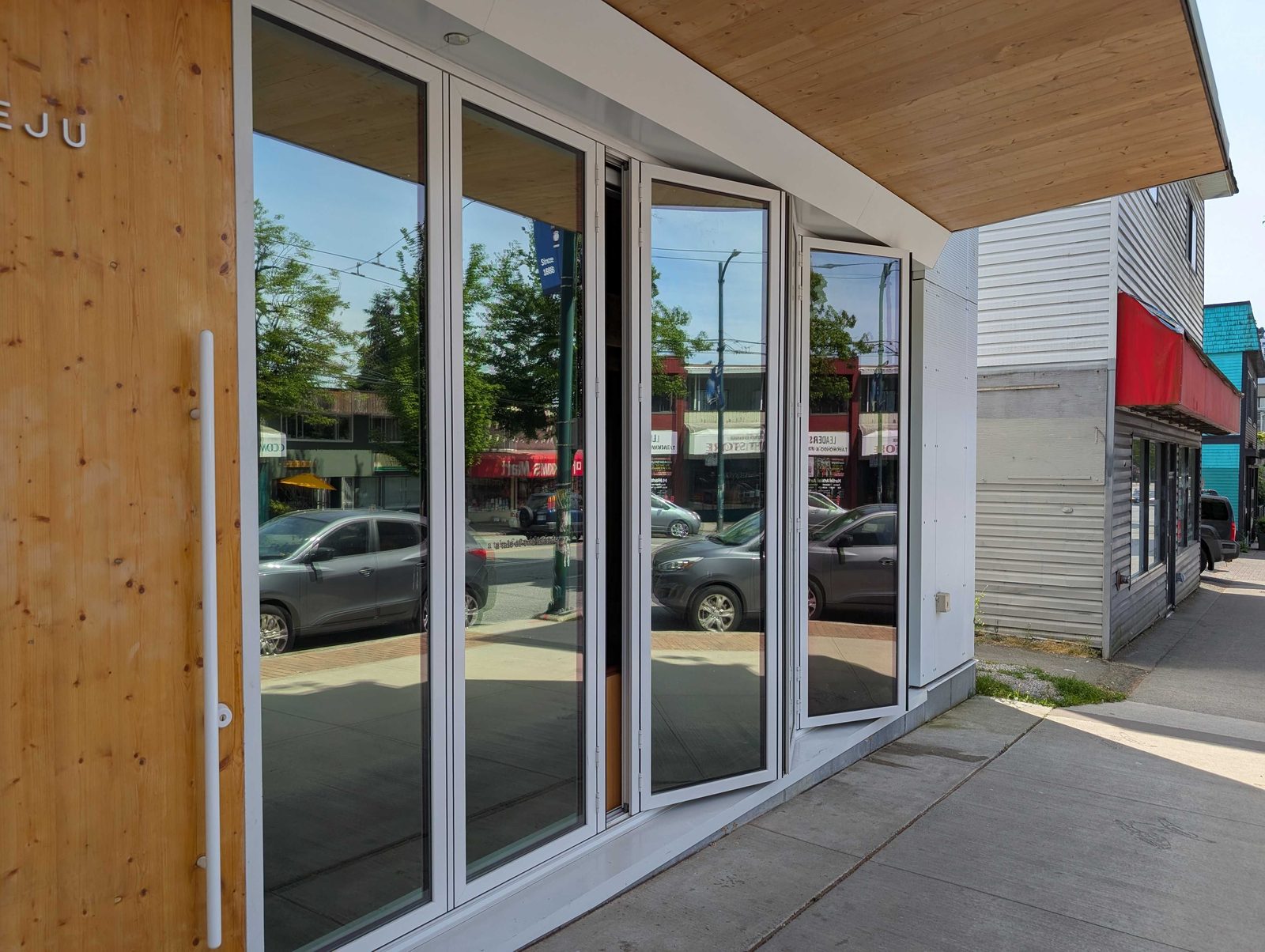
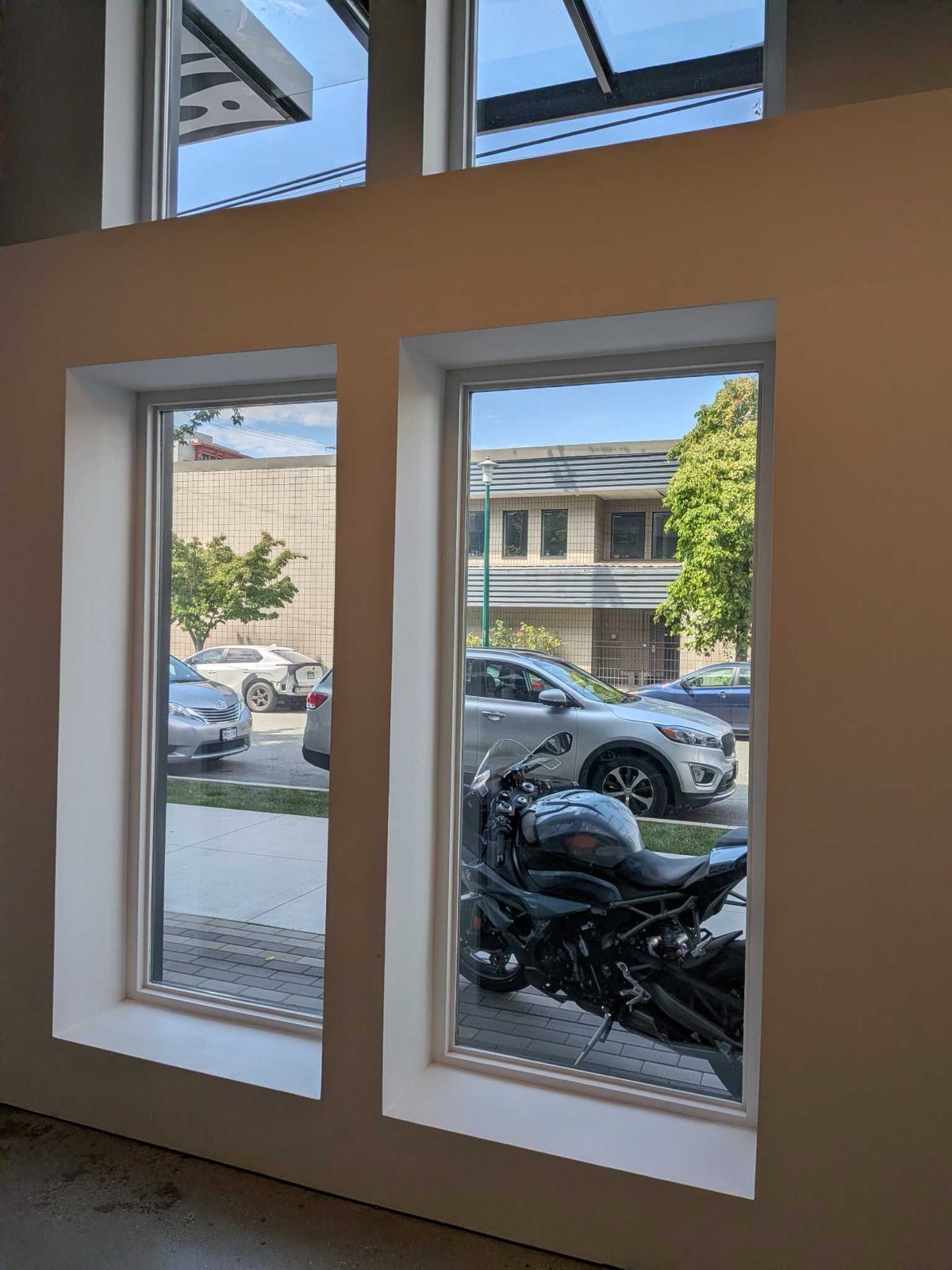
Dual-reflective film uses a brighter exterior face and a darker, lower-glare interior face. From the sidewalk at midday, a well-chosen grade reads as a soft grey or bronze shift, not a chrome wall. Harsh silver or gold mirrors are the products most Vancouver bylaws reject because they break the elevation next to untreated suites.
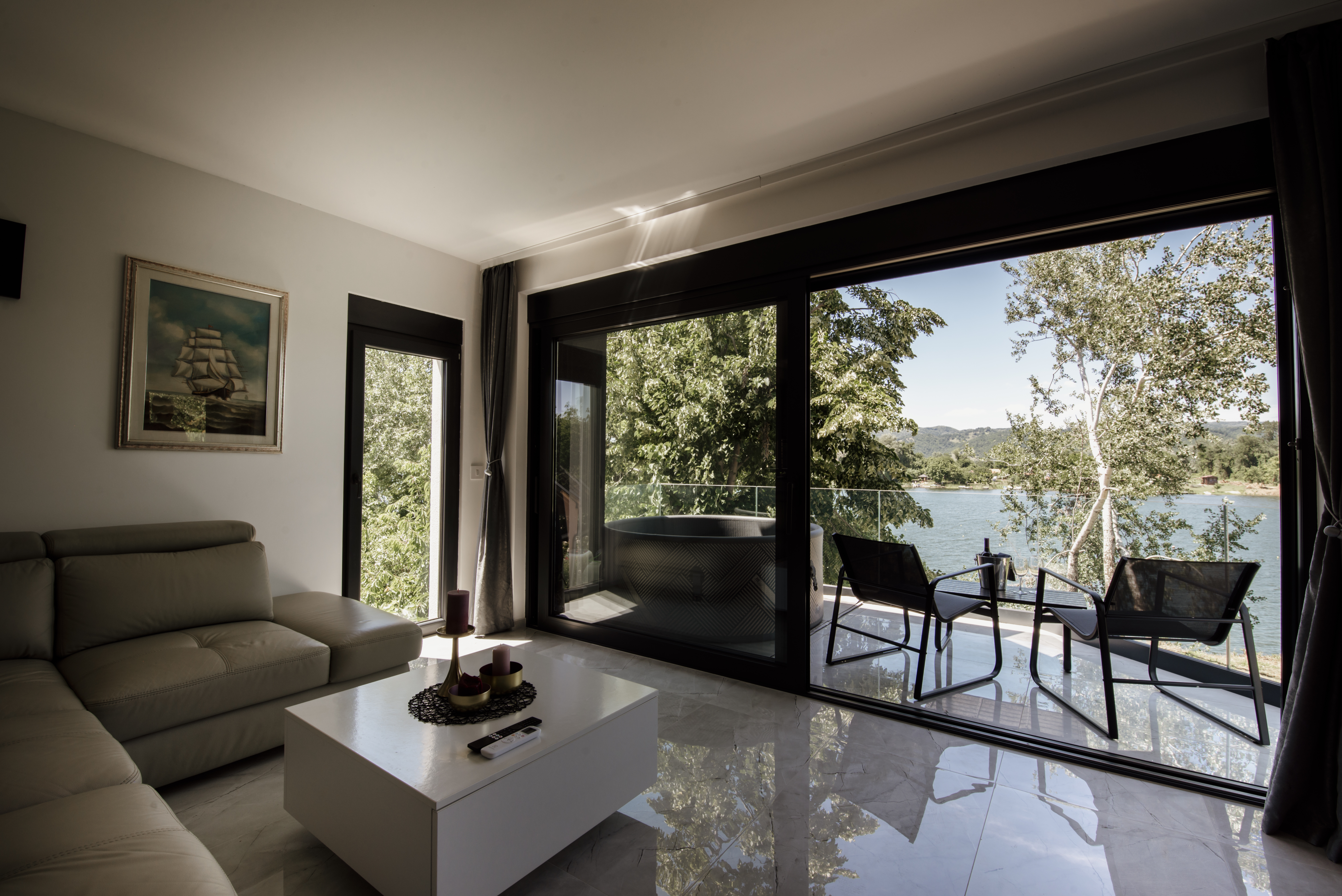
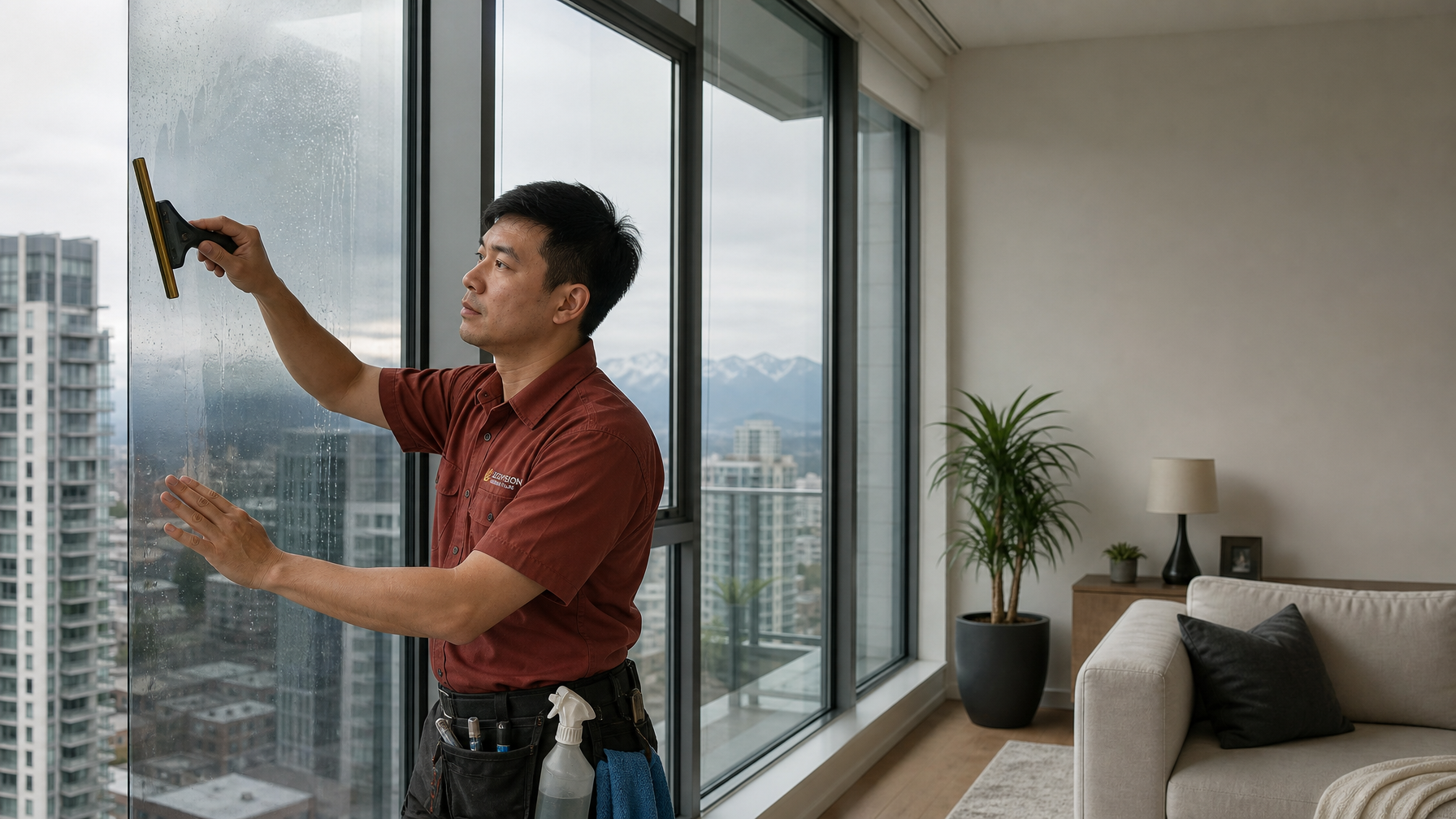 how does one sided glass work
Ecovision Window Films starts most strata-sensitive living rooms on high-VLT solar grades such as LLumar VS60 (about 59% visible light, about 50% total solar energy rejected on 6 mm dual clear) or VS70 (about 62% VLT, about 49% TSER). Those films keep the tower looking closer to factory glass. Dual-reflective DR grades (DR15, DR25) enter the spec only when the owner needs stronger daytime privacy and council has already signed a sample.
Does Dual-Reflective Film Stay Neutral Enough for Strata Approval?
Yes, if the sample board matches neighbouring lites. Councils usually ask for a 300 mm sample on the same glass type, viewed from the courtyard at 10 a.m. and 3 p.m. Neutral dual-reflective and VS-series solar films typically shift exterior reflectance by a few percentage points. High-mirror R20-style products can jump well above 20% exterior reflectance and fail the same review.
At Bentall 4-style downtown glass, property teams already reject patchwork mirror suites. The same logic applies to West End and Burnaby strata. Bring the film code, VLT, and a photo of the existing elevation. Ecovision attends many of those walk-throughs so the council sees one consistent specification, not three DIY kits.
How Much Does Dual-Reflective Window Film Cost in BC?
Professionally installed dual-reflective and strata-neutral solar film in Metro Vancouver typically runs $10 – $18 per square foot for residential solar work and $9 – $18 on straightforward commercial access. Security-grade stacks sit at $16 – $22. A 180 sq ft living-room elevation often lands between $1,800 and $3,240 installed.
| Spec goal | Typical film path | Installed range (per sq ft) |
|---|---|---|
| Neutral exterior, heat only | LLumar VS60 / VS70 | $10 – $18 |
| Daytime privacy + heat | Dual-reflective DR15 / DR25 | $12 – $18 |
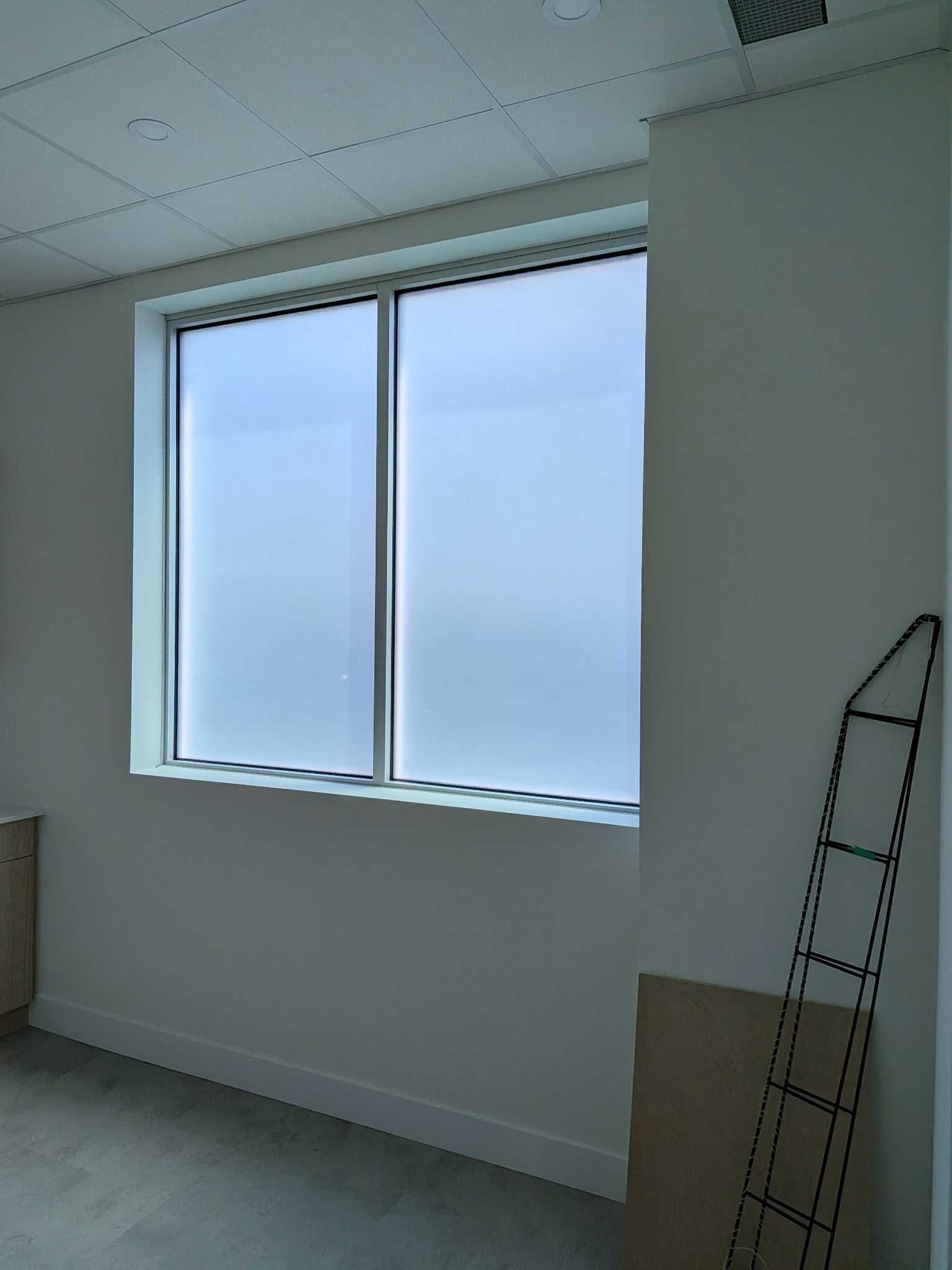
| Bedroom all-hours privacy | Frosted / decorative, not dual-reflective | $10 – $16 |
| Sidelights needing hold-together glass | Safety/security film | $16 – $22 |
Does Dual-Reflective Film Give Privacy at Night?
No. When interior lamps are brighter than the street, the mirror reverses and people can see in. Dual-reflective film is a daytime privacy and glare tool. Bedrooms that need 24-hour privacy should use frosted or decorative film on those lites, then keep VS or dual-reflective film on the living-room glass. That split spec is what many Vancouver owners already request after a site visit.
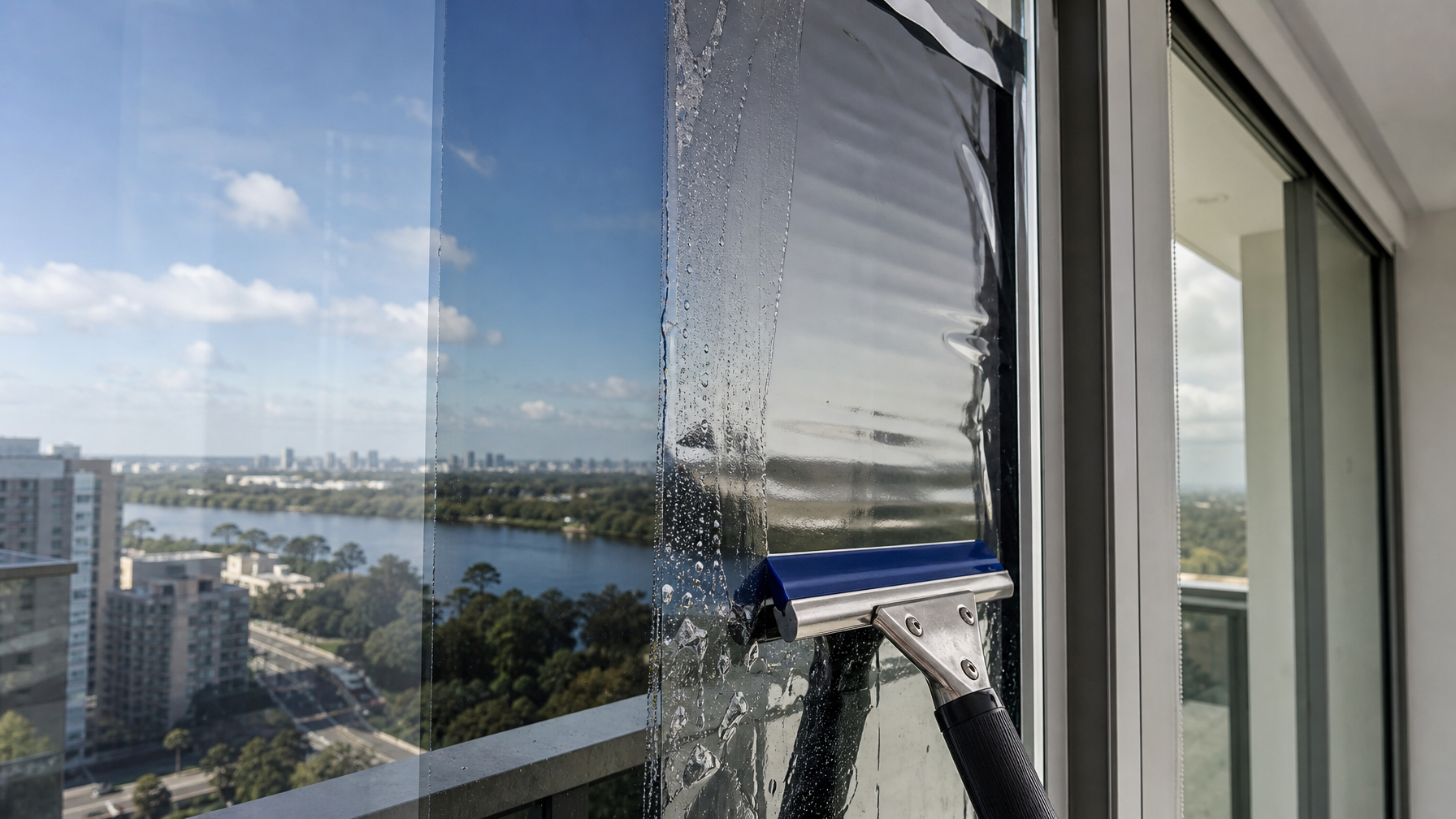
How Do You Get Strata Approval for Dual-Reflective Film in Vancouver?
- Photograph the elevation and neighbouring untreated suites.
- Ask council for the written appearance rule (neutral, no mirror, matching VLT).
- Install a removable sample of VS60/VS70 or the proposed DR grade on the actual glass.
- Submit film data (VLT, TSER, colour) plus Ecovision’s contractor name and liability certificate.
- Schedule install after written approval. Cure time is 30 to 60 days.
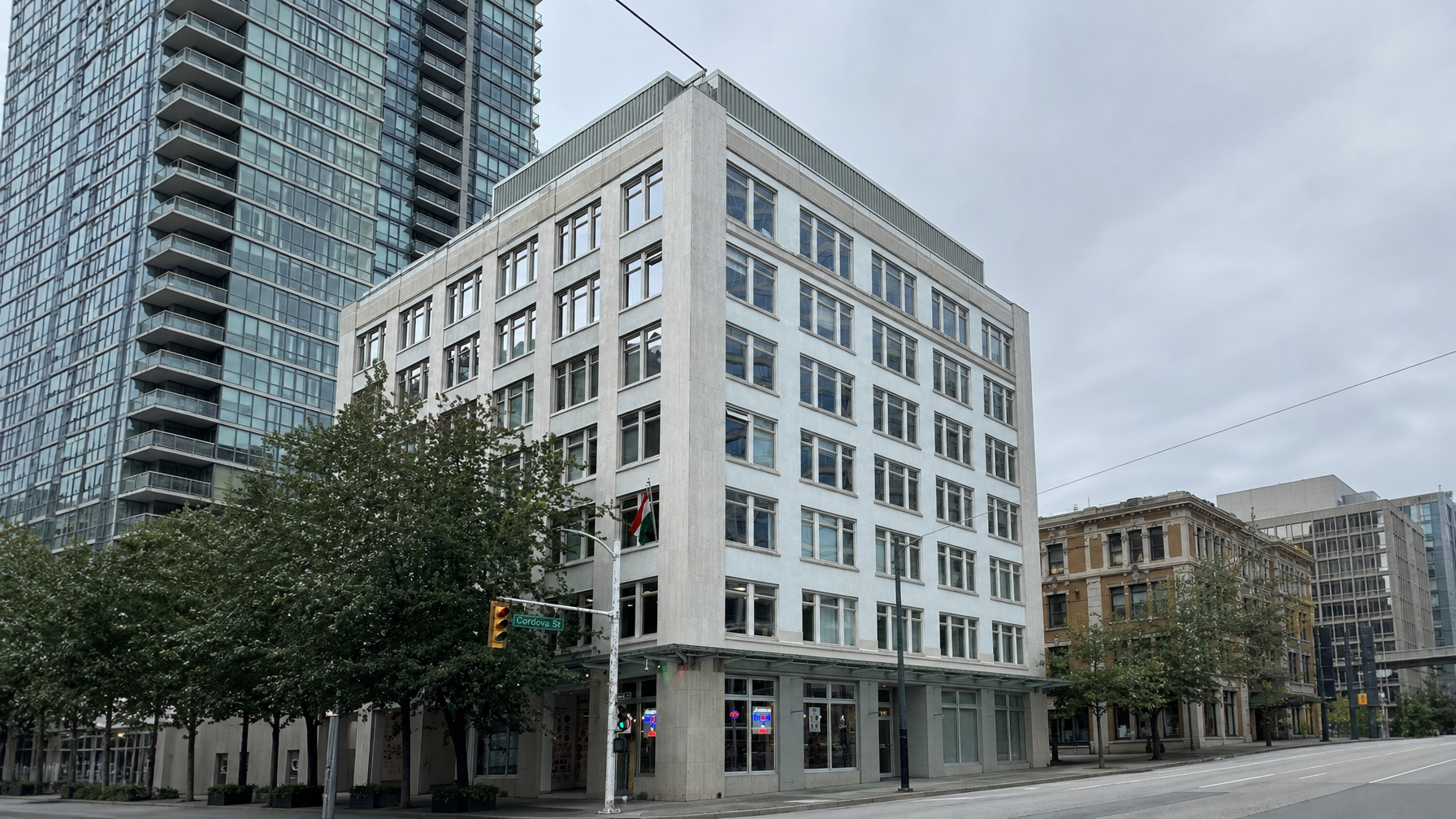
This process is the same pattern Ecovision uses on strata-approved heat-rejection film and on condo building window film scopes. Healthcare campuses such as Rosemary Heights Seniors Village follow a similar sample-first rule when elevations must stay consistent.
Which Film Should You Choose Instead of a Mirror Dual-Reflective?
If council language says “no reflective film,” start with VS60 or VS70. They reject about half of solar energy while keeping most of the view. Step to Ceramic 35 or Ceramic 45 only on west and southwest glass that still overheats after a VS install. Use dual-reflective when the owner wants more daytime one-way effect and the sample already passed. Never specify automotive grades on building glass.
For heat-first living rooms, pair this page with our south and southwest-facing condo heat guide. For a site assessment, call (236) 862-0052 or visit ecovisioncanada.com/contact/.
Related Articles
- Best Strata-Approved Window Film for Heat Rejection in Vancouver Condos
- Window Film for Condo Buildings in Vancouver
- Window Film for Strata Buildings in Vancouver
- Window Tinting for Privacy in BC Homes
- How Window Film Stops Heat in South and Southwest-Facing Vancouver Condos
Is dual-reflective window film allowed in Vancouver strata buildings?
Often yes, when the exterior stays neutral. Councils typically approve VS60, VS70, or a sampled dual-reflective DR grade and reject high-mirror silver or gold film. Submit a sample on the actual glass plus contractor insurance.
How much does dual-reflective window film cost in BC?
Most residential dual-reflective and strata-neutral solar installs run $10 – $18 per square foot. Commercial solar is $9 – $18. Security stacks are $16 – $22. A typical 180 sq ft living-room elevation is about $1,800 – $3,240.
Does dual-reflective film work for privacy at night in Vancouver condos?
No. When interior lights are brighter than the street, people can see in. Use frosted film on bedrooms if you need 24-hour privacy, and keep dual-reflective or VS solar film on living rooms for daytime glare and heat.
What film looks most neutral from the street?
LLumar VS60 and VS70 are Ecovision’s default strata-friendly solar grades. They keep roughly 59 to 62% visible light and reject about 49 to 50% of solar energy on 6 mm dual clear glass, with a low-mirror exterior.
How long does dual-reflective film take to cure in BC?
Plan on 30 to 60 days. Small water pockets can appear in the first weeks and usually clear as moisture evaporates. Avoid scraping or ammonia cleaners during that window.
About the Author: This article was written by the Ecovision Window Films team. Edward, Director at Ecovision, brings a distinctive perspective to the window film industry, with over a decade in real estate development, including roles as Executive Director at a real estate development firm and Director of Strategic Partnerships, before joining Ecovision. That background gives the company a sharp edge in serving BC property managers and building owners. Ecovision is a certified installer for leading film brands with completed projects for healthcare facilities, government buildings, and commercial properties throughout the Lower Mainland. For a free site assessment, call (236) 862-0052 or visit ecovisioncanada.com/contact/.