
A childcare property has a daily purpose that matters more than the building work happening around it. For Métis Nation British Columbia (MNBC) in Terrace, BC, the brief was to address glass safety and security while coordinating with a facility that had already begun operating.
Ecovision completed the Terrace security-film project after working through the scope, existing roller-blind questions and a contractor-warranty concern with the client. The project offers a practical example of the decisions that sit behind a film installation: identifying the right glass, making room for review and bringing the operator into scheduling.
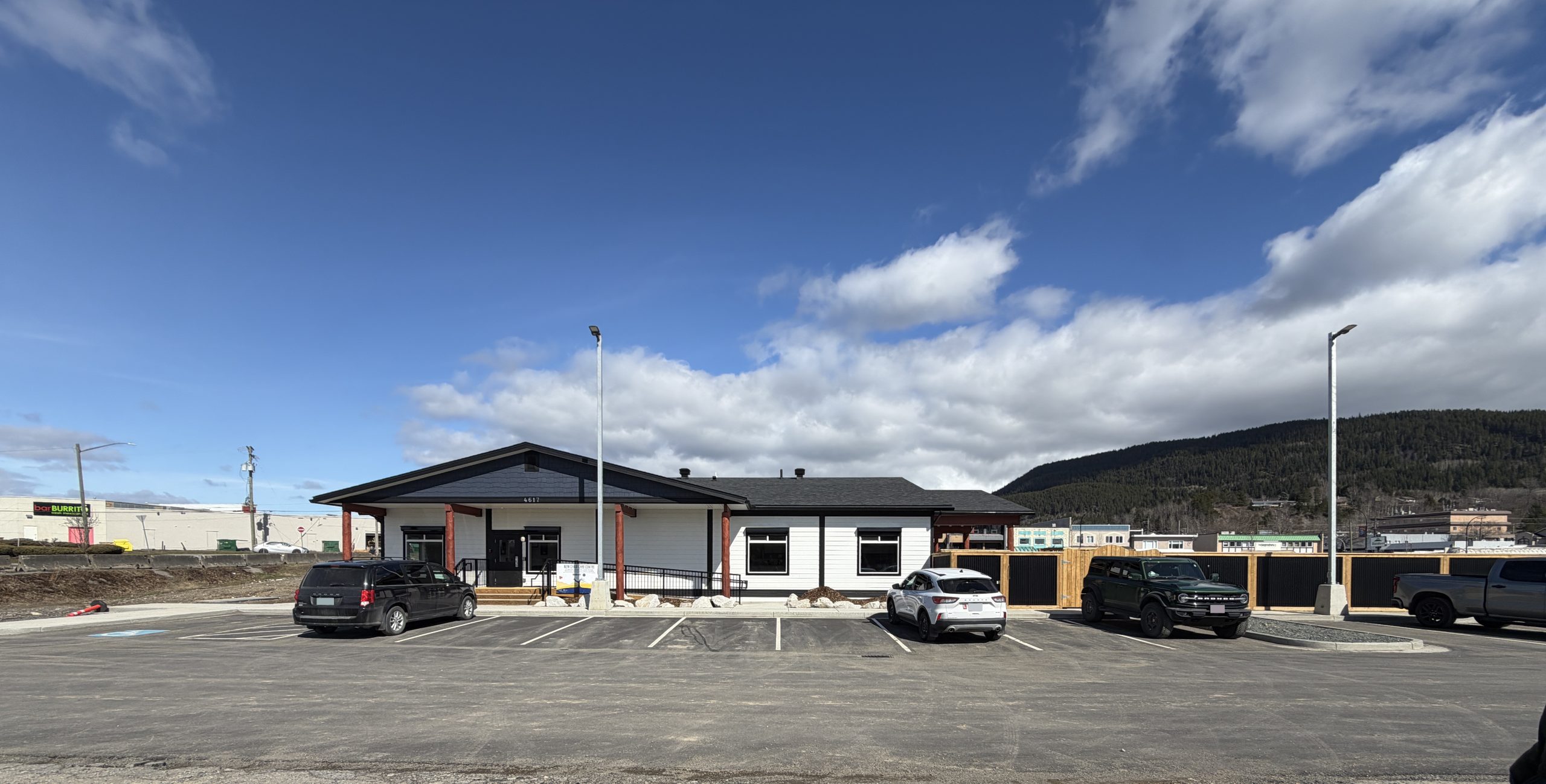
MNBC approached the project with both safety and security in mind. The setting made coordination important from the start. This was a childcare property with activity already underway, so the client needed the proposed work and schedule to be considered alongside the operator’s requirements.
Ecovision’s early questions focused on the size of the project, the client’s objectives and the timing. MNBC supplied property information, photographs and dimensions to help establish the scope. That exchange gave the discussion a concrete starting point rather than treating security film as a one-size-fits-all purchase.
For a property manager considering similar work, this is a useful first step: describe what the building is used for and what you want the project to address. A request for “window film” alone leaves important questions open. A brief that identifies the purpose, the glass under consideration and the people responsible for access makes the next conversation more productive.
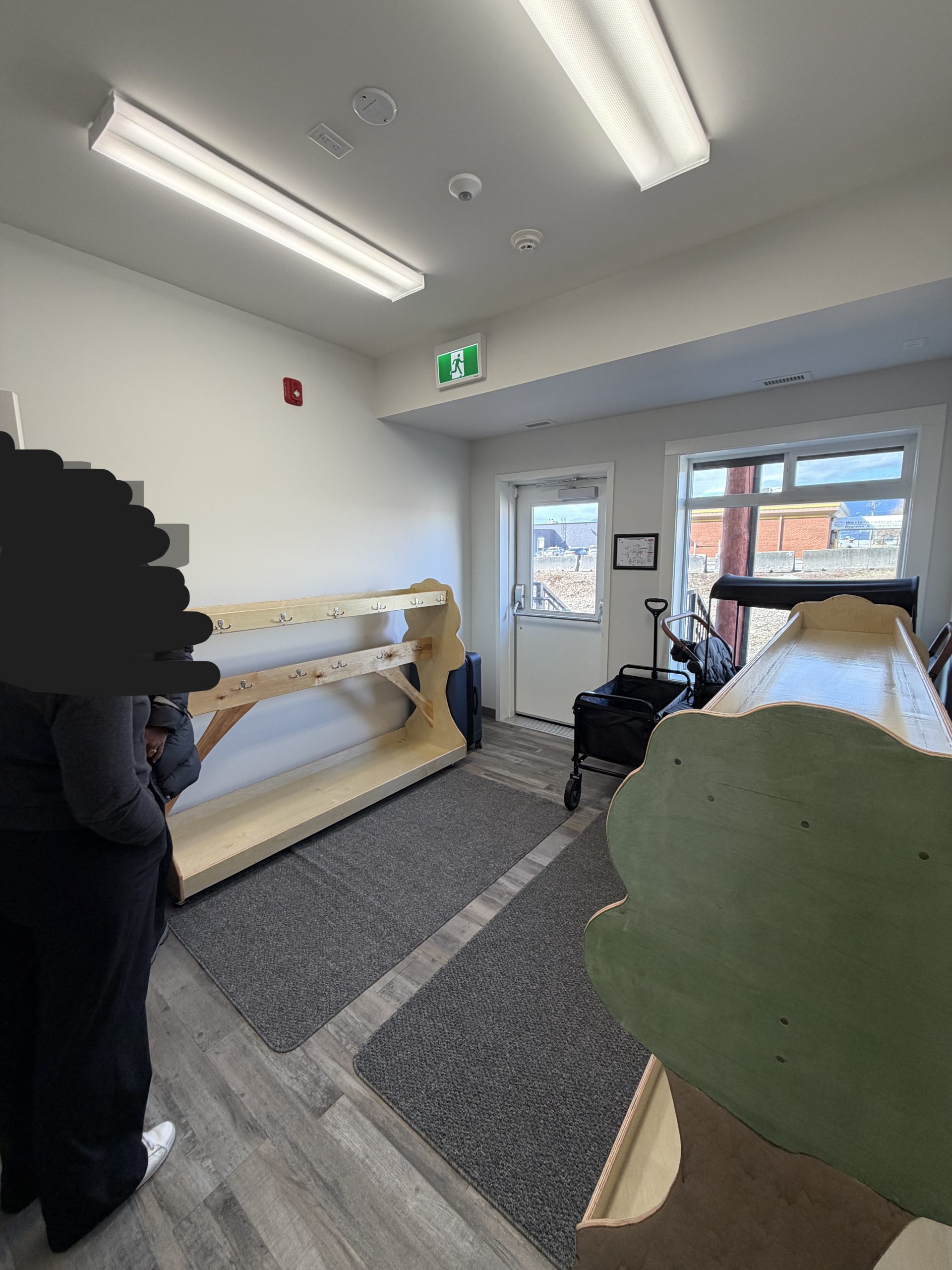
Door glass is easy to overlook in a broader discussion of windows. People often use “windows” as shorthand for the glazing they want reviewed, even when doors also contain glass. A useful scope conversation names these elements separately and confirms which are included in the proposal.
The practical lesson is to review the estimate against the actual areas being considered before approval. Ask the installer to explain how the proposal corresponds to your photographs or marked-up plan. If something changes, request a revised document so the team approving the work and the team arranging access are working from the same version.
The Terrace discussion also included exterior roller blinds. MNBC raised the question, and Ecovision discussed how the film application might relate to the existing frame and blinds. The application approach remained something to assess in person.
That is a useful distinction for anyone planning a glazing project. An early conversation can identify an issue without settling every installation detail. Photographs help explain the question, but the proposed approach still needs to be checked against the conditions at the property.
If your building has blinds or other components near the glass, include them in the initial information you provide. Ask what the installer needs to see, which details can be confirmed remotely and which require a site assessment. An answer that clearly identifies the remaining check is more useful than a broad promise that every existing component will work unchanged.
For MNBC, the blinds were part of the planning conversation. They illustrate why the surrounding building details deserve attention alongside the glass itself.
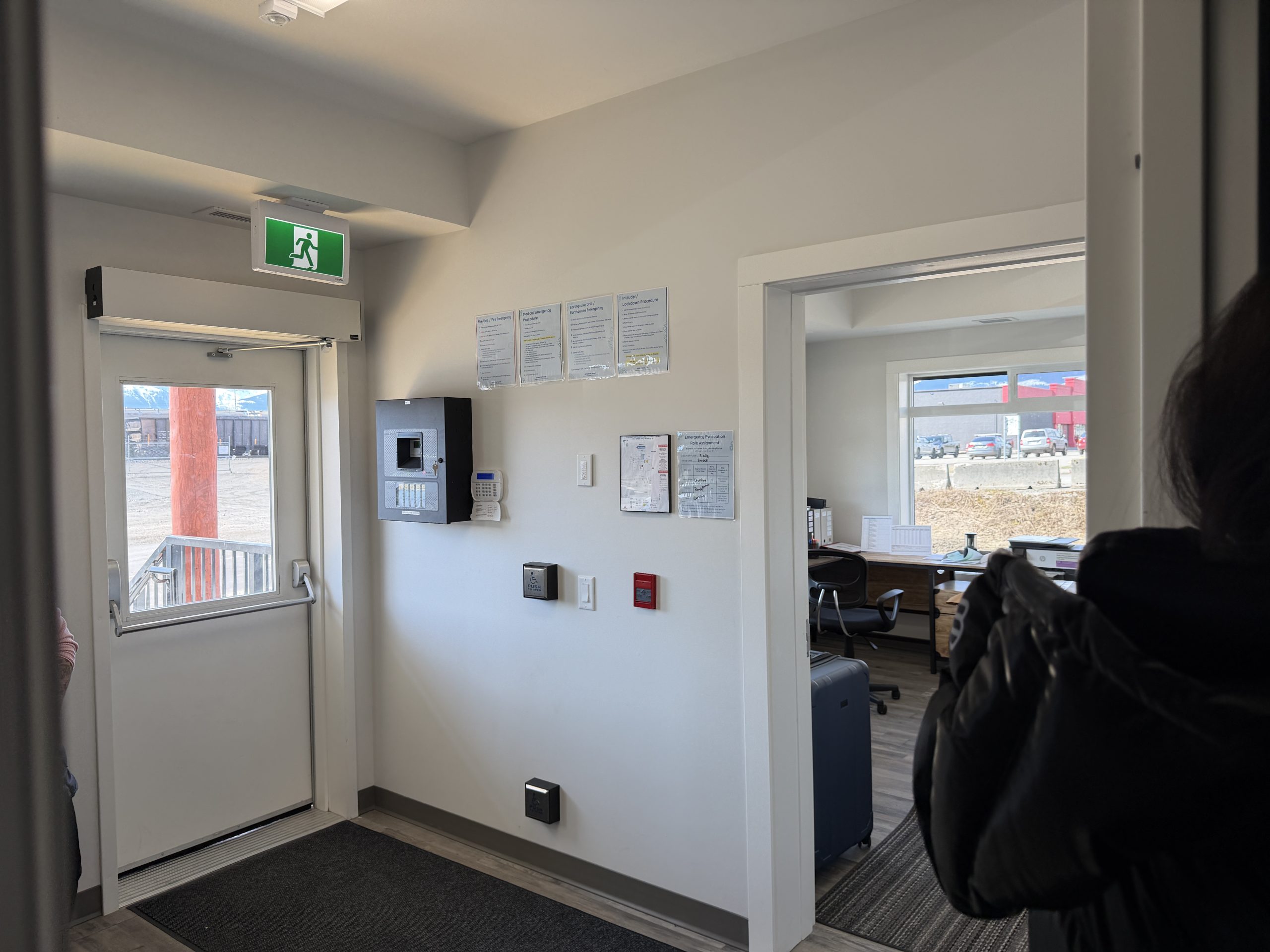
The project paused when MNBC raised a concern about the effect of installing security film on its contractor warranty. Ecovision supplied manufacturer documentation and specifications for the client’s review before scheduling continued. MNBC subsequently confirmed that the project could proceed.
A warranty question is a decision point worth treating directly. The parties responsible for the existing building and the proposed installation may hold different information. Providing the relevant documents gives the client something specific to review and share with the appropriate parties.
For other property teams, a practical approach is to identify existing warranty obligations early and ask who should review the proposed work. Keep the product information, questions and written responses together. Clarify whether an answer relates to the film, the glazing, the contractor’s work or another part of the building.
Proceeding with a project should not be described as a blanket guarantee about every warranty. The useful lesson from Terrace is the sequence: the client raised a concern, the schedule paused, information was supplied and the client made a decision about moving forward.
After confirming the decision to proceed, MNBC requested proposed installation dates and times so the schedule could be reviewed with the childcare operator. The client also asked Ecovision to wait for confirmation before making travel arrangements.
Planning therefore had more than one participant. The property contact could move the project through approval, while the operator needed a say in when work would take place. Ecovision’s planning included travel and installation logistics, with the operator’s confirmation forming part of the scheduling process.
For a facility that is already in use, it helps to distinguish a proposed date from a confirmed appointment. Identify who can approve access, who should receive scheduling updates and what information the operator needs before accepting a time. If travel is involved, make the booking dependencies clear to everyone.
These are useful planning questions for a future project, rather than promises about a particular installation’s duration or effect on operations. The schedule should reflect the site and the people using it.
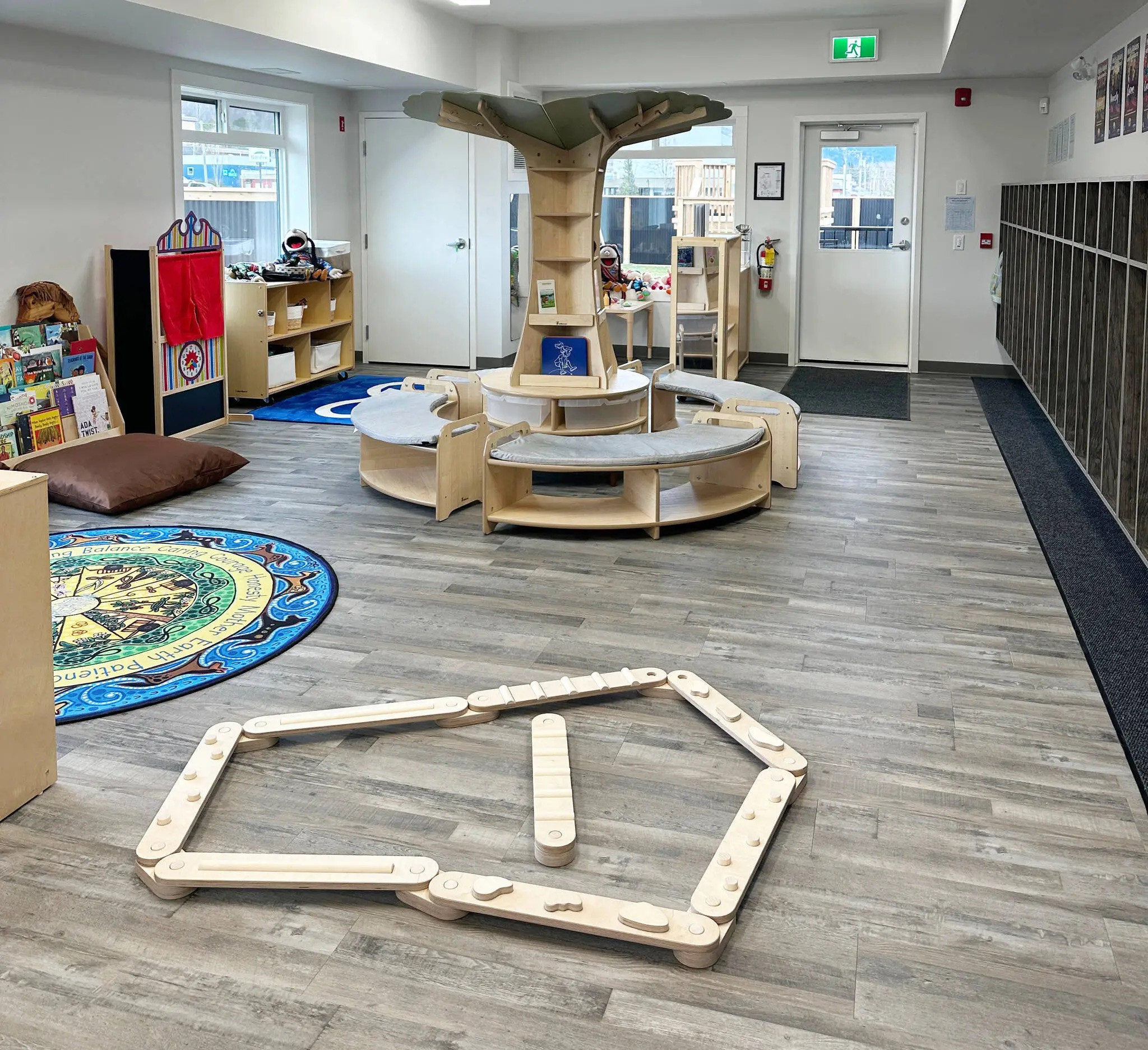
Ecovision completed the security-film project at MNBC’s Terrace childcare property. The approved scope covered facility windows and glazed doors, following the client’s scope clarification and review of the warranty question.
The value of this case is in the completed work and the decisions that helped the project move forward. MNBC brought its knowledge of the property and operating requirements. Ecovision revised the proposal, provided supporting product information and worked through the scheduling discussion with the client.
A finished installation is a useful milestone. Any separate claim about security performance, operating savings or a specific protective result needs its own evidence. For a property team reading this case, the transferable example is a clearly defined film project taken through review and completion.
Before requesting a proposal, bring together a short description of the property, the purpose of the work and the glazing you would like assessed. Include windows and glazed doors as separate items. Share relevant photographs securely with the project team and note any existing blinds or other nearby components that may need review.
Then identify the approval path. Who reviews the estimate? Who can answer questions about the building’s existing warranties? Who operates the space and confirms access? These roles may belong to different people, even on a relatively contained project.
Ask for a proposal that makes the included work understandable. Keep the current version easy to identify and resolve material scope changes before the team books travel or installation. Where a product or application question remains open, name the person responsible for answering it and the information needed.
Finally, agree on what you want to receive at completion. For your own project, useful requests may include the installed product details, care instructions, applicable warranty information and a record of any changes from the approved scope. These are sensible handover questions to ask, not a claim that every item was provided in the Terrace project.
MNBC wanted to address glass safety and security at its childcare property in Terrace. Ecovision completed a security-film project after reviewing the scope and coordinating the proposed work with the client. The brief was specific to this property.
A building’s glass can include more than windows. In this project, MNBC asked about the glazed doors and Ecovision revised the estimate accordingly. For your own proposal, identify the glass you want considered and check that the written scope reflects it.
Existing blinds should be part of the assessment. At Terrace, the client raised the exterior roller blinds and Ecovision discussed checking the application approach on site. Ask for advice about your particular combination of glass, frames and blinds rather than assuming a universal answer.
Identify the existing warranties that may be relevant and ask the responsible parties to review the proposed product and installation. At Terrace, a contractor-warranty concern paused scheduling while Ecovision supplied supporting documentation. A project decision does not replace the wording of an applicable warranty.
Involve the operator before confirming installation or travel. Establish who approves access and which dates are proposals rather than bookings. MNBC asked to review the schedule with its childcare operator. The appropriate arrangement for another property will depend on its own activities and requirements.
This case describes a completed security-film project and its planning process. It does not establish a measured protective result. If your project requires a specific performance standard, raise that requirement during assessment and request evidence relevant to the proposed system and application.
Start with the building’s use, your objective, photographs of the glazing under consideration and available dimensions. Mention relevant building components, warranty questions and operating constraints. Keep detailed site information within the authorised project team and ask what else is needed before a proposal can be finalised.
If you are considering security film for a childcare, community or commercial property, start with the questions that shaped this project: which glass is included, what existing building details need review and who must confirm the work can proceed?
Talk with Ecovision about your property’s requirements. A clear brief gives the assessment a useful starting point and helps everyone understand the next decision.








I had Sean install Reflective window film in my home, and I’m thrilled with the results! It’s made my home more comfortable by reducing heat, blocking UV rays, and adding privacy without sacrificing natural light.
Installation was quick and professional, and I’ve noticed lower energy bills and a sleek look for my windows. Highly recommend!

We recently installed frosted film in our office, and the transformation has been remarkable! The film adds a sleek, modern touch to our workspace while providing much-needed privacy for our meeting rooms and collaborative areas.
Not only does it create a professional atmosphere, but it also allows natural light to flow through, brightening up the entire space without compromising confidentiality. Our team loves the aesthetic appeal it brings.