

At Hotel Willo in downtown Vancouver, Ecovision completed window-film work within an established hospitality setting. The project brings attention to a part of a building that people use without necessarily thinking about it: the glass between one space and the next.
Hotel Willo is a social enterprise hotel at 733 Beatty Street, formerly known as YWCA Hotel Vancouver. Its purpose reaches beyond a place to stay: hotel revenue helps support YWCA BC programs. Within that setting, this case follows a window-film installation and the practical questions that make similar work easier to plan, communicate and maintain.
A hotel is both a destination and a working building. Visitors find their way through entrances and shared spaces, while the property team looks after the details that keep those spaces usable. Glass belongs to both sides of that experience. It can define a boundary and still let people understand what lies beyond it.
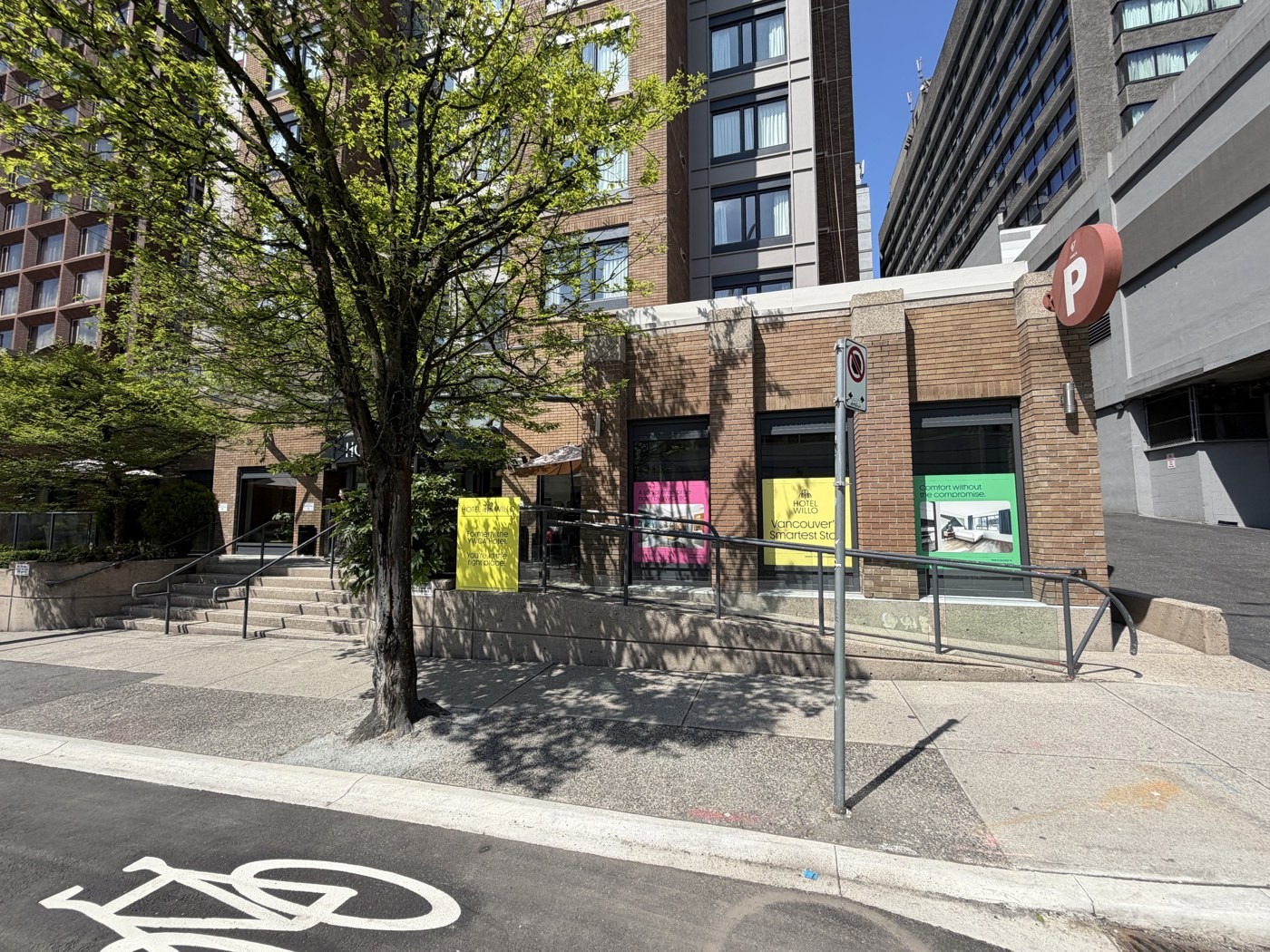
At Hotel Willo, a brick entrance, steps and an accessible ramp lead into the property. Inside, the installation sits within an existing framed opening. The surrounding architecture remains the setting for the work: the treatment belongs to a place people already know and use, rather than an isolated glass sample.
For another hospitality property, that distinction is useful from the first enquiry. A building-wide photograph gives an installer context, but the treatment decision belongs to the actual glass under consideration. The property and the installation should be understood together, without treating them as interchangeable.
Window film is a material applied to glass, but the reason for considering it should come first. A team might be investigating visibility through a glazed boundary, the appearance of an opening, sunlight at particular times or another requirement. Those questions lead to different assessments. They should not be collapsed into a single request for a darker window.
For a new project, describe what happens at the glass and what you want to change. Explain when the issue arises, from which side it is noticed and what needs to stay useful. A view through the opening, the amount of light in the adjoining space and the appearance from a corridor may all deserve discussion.
For your next project, make that brief specific enough for another person to understand. Describe the current condition and the intended change separately. A useful conversation should leave the installer with a question to investigate, rather than an assumption about which material will answer it.
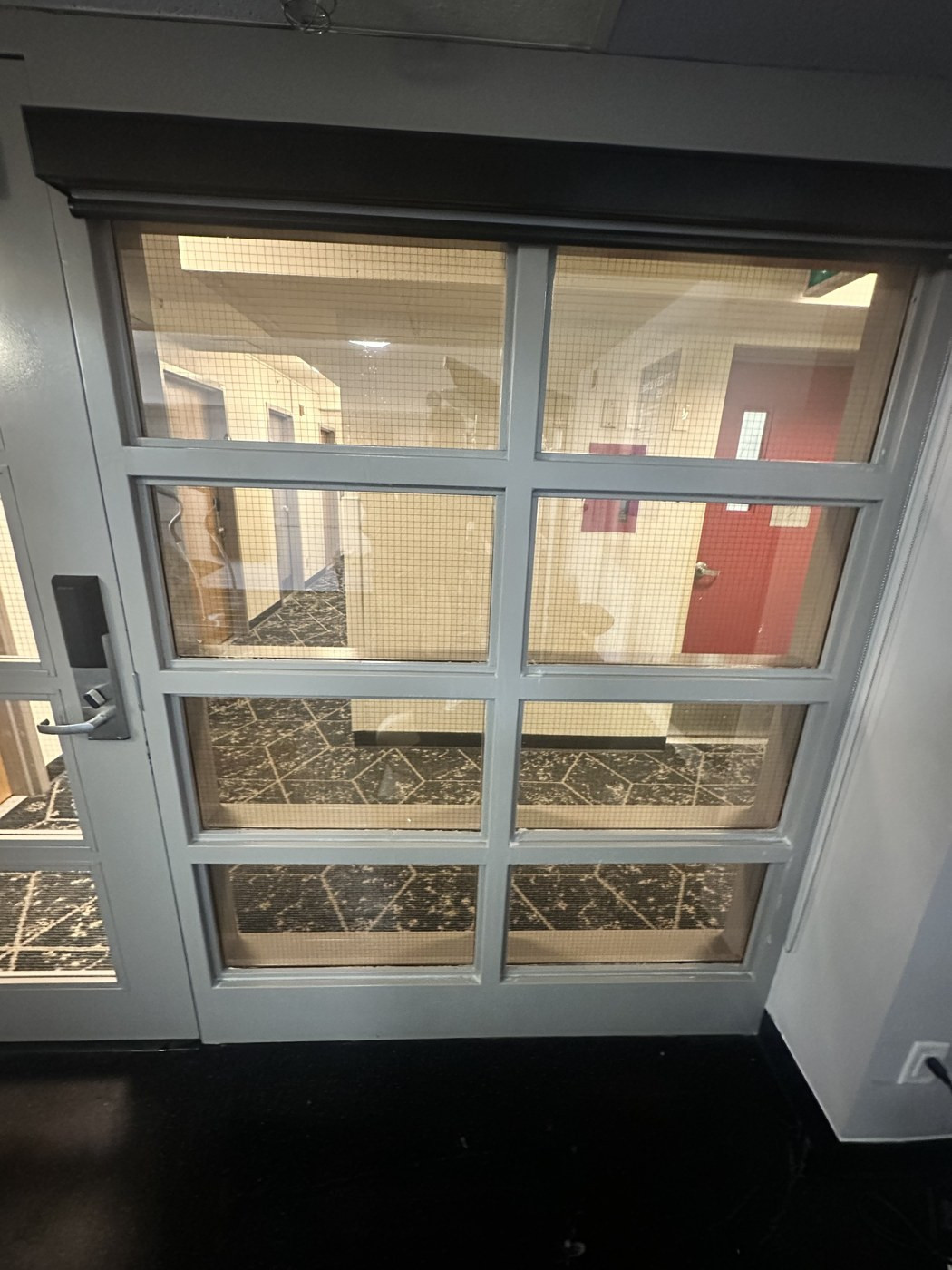
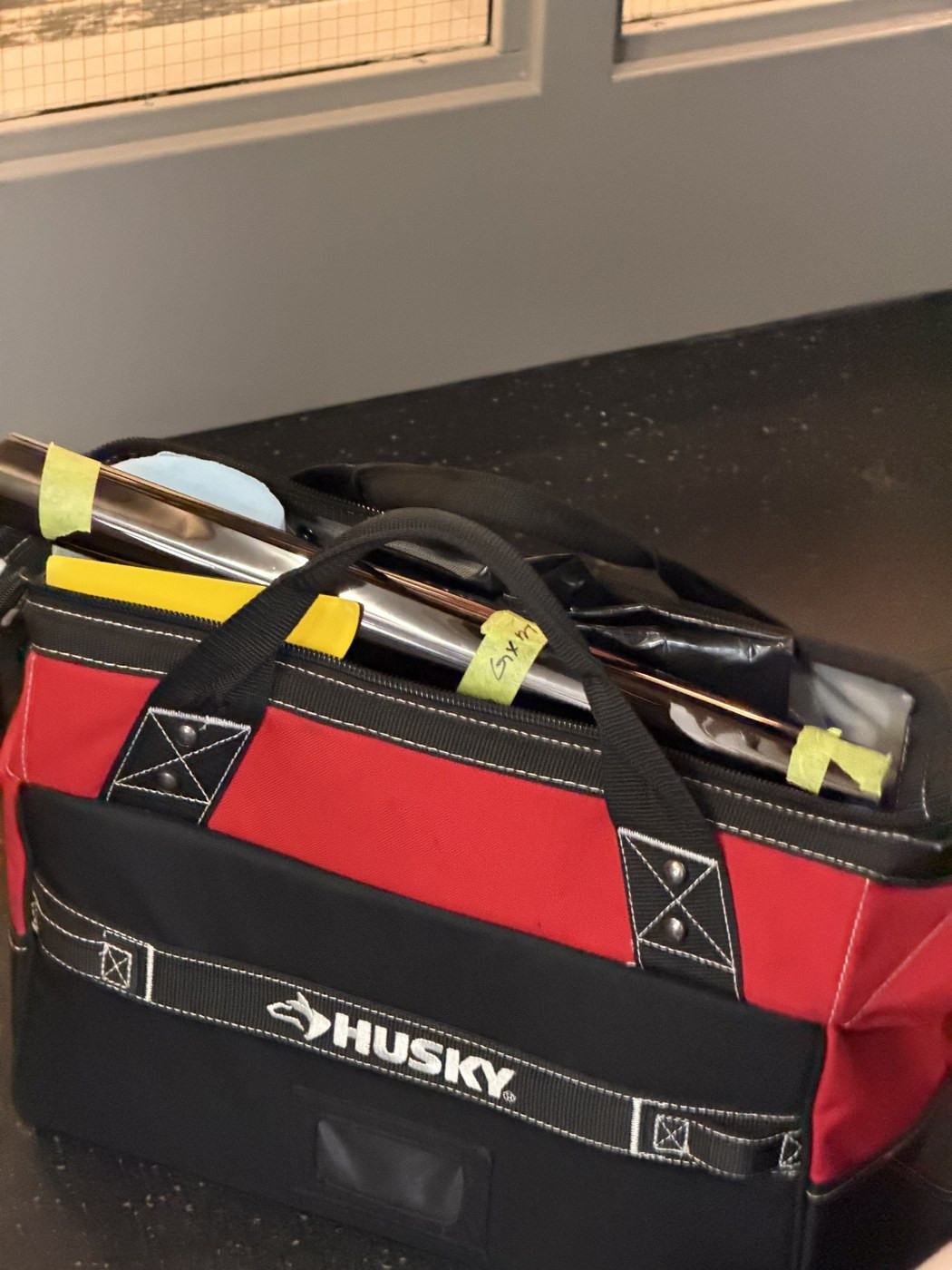
The Hotel Willo installation involved an existing glazed doorway with a framed arrangement of panes. Ecovision’s project record includes the opening from both sides, close views of the glass and on-site working context. The installation is complete, and the follow-up correspondence includes care information for the treated surface.
An existing opening brings its own details to the job. Frames divide the glass, handles and other hardware occupy space around it, and adjacent walls and floor finishes remain part of the working environment. For another site, those details are worth capturing before an installer arrives. They help turn a general conversation about film into a practical discussion about access and the surface to be treated.
A film project should also have a clear physical boundary. Marking the relevant panes on a photograph or drawing helps the property contact and installer work from the same reference. It gives the building team something useful to retain after the conversation moves on from the initial quotation.
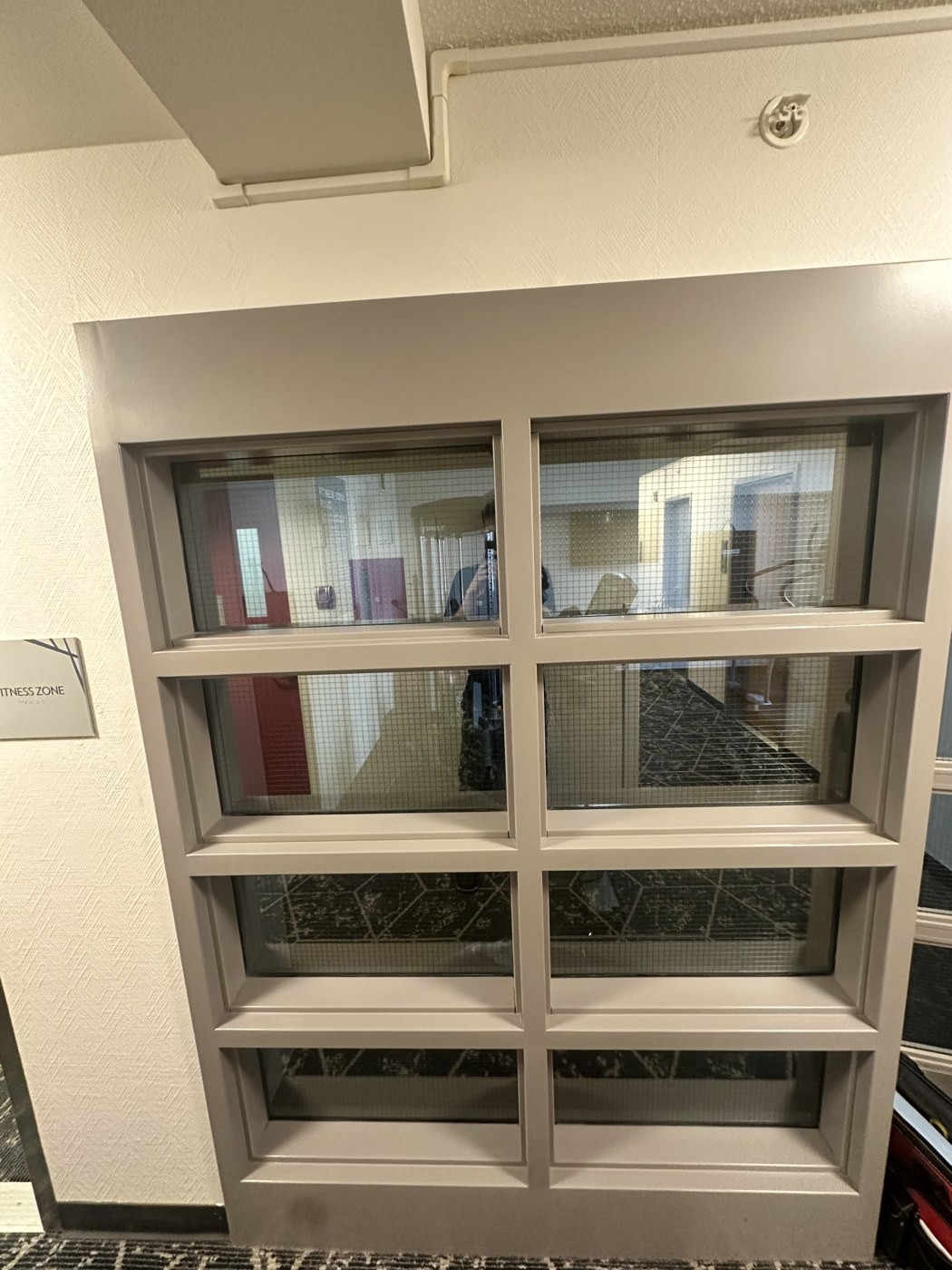
The two sides of a glazed boundary can feel like different environments. One may face a brighter space; the other may be viewed from a corridor or an adjoining room. A treatment should therefore be discussed from the positions in which people actually encounter it, rather than only from a convenient photography angle.
For a new assessment, stand where a person approaches the opening, then look from the other side. Record the lighting conditions and note whether they change during operating hours. If visibility or reflection is part of the question, ask the installer how the proposed option should be reviewed in those conditions.
The practical point is not to assume that a photograph describes every viewing condition. Camera exposure, reflections and the position of the viewer can change what a photograph seems to show. A clear on-site comparison is more useful than promising that one image will represent the appearance at all times.
Before settling on a treatment, gather whatever is already known about the glazing. This can include available glass specifications, existing films or coatings, previous work and relevant building requirements. Unknown details should remain questions to resolve, rather than being filled in from the appearance of the glass.
Ask the installer what must be confirmed for the proposed product and application. That discussion may include suitability for the glass, where the film will be applied and how the final scope will be recorded. It is a separate decision from choosing a pleasing sample or selecting a product because it was used elsewhere.
Once an option is agreed, keep its identification with the treated location. A record that says only “window film installed” leaves a future property contact with little to work from. A record that connects the product, the opening and the care instructions is more useful when cleaning arrangements change or glass needs attention later.
An occupied property needs a practical installation plan as well as a material choice. Before a new job, identify who will provide access, how the work area can be reached and who can answer questions about the agreed scope. Discuss any operating constraints with the installer early enough to make them part of the plan.
Consider the immediate surroundings of the opening. Furniture, equipment or stored items may affect access, and the relevant property team should agree how those items will be handled. Where other people use an adjoining space, discuss how the work area and any temporary access arrangements will be communicated.
Discuss these arrangements before making promises to occupants about timing or access. If the property has particular quiet periods, cleaning routines or room-booking commitments, bring them into the conversation early. The useful standard is a plan that fits the actual building, with responsibilities clear on both sides.
The Hotel Willo record includes post-installation care correspondence. That matters because the treated glass will continue to be cleaned and used after the installation team has left. Care information belongs with the people responsible for the surface, not only in the inbox of the person who arranged the work.
For another property, request the product-specific instructions and share them with the cleaning or facilities team. Confirm when the surface can be cleaned, which products and tools are suitable and who to contact with questions. Do not substitute a general internet cleaning tip for the instructions supplied for the actual installation.
Keep the contact route easy to find. If a mark, edge or change in appearance needs attention, identify the location and send a clear photograph with a description of the concern. That gives the installer a better starting point for advice than an unlocated image or a conclusion about the cause.
A handover is a good time to confirm which glass was treated, retain the final product information and check that the property team has received the care guidance. Review the agreed scope against the actual opening. If something needs follow-up, record the location and the next step so it is not lost between different contacts.
It is also the right moment to separate completion from performance evidence. A completed installation is a tangible result. Claims about energy use, temperature, comfort or privacy need their own appropriate basis. If a future project is intended to achieve a measurable change, discuss how that change will be evaluated before work begins.
Hotel Willo offers a straightforward starting point: completed window-film work at a real hospitality property, with an identifiable opening and a continuing care relationship. Its value for another building team is in the questions it raises before specification and in the information worth retaining afterwards.
Ecovision completed window-film work at an existing glazed opening inside Hotel Willo in Vancouver. The exterior photographs identify the hotel and provide location context; they do not imply treatment of the whole property.
Use photographs to explain the appearance or question that interests you, then arrange an assessment of your own glass. A photo is helpful context, but it does not establish product suitability or identical results at another building.
Start with the location, a wider view of the opening, closer glass details and a clear description of the desired change. Add any available glazing records, access requirements and the contact who will coordinate the work.
Retain the final product identification, treated locations, supplied care instructions and installer contact details. Keep any agreed follow-up with that record so the next facilities contact can understand what was done and what remains to be checked.
If you are considering window film for a hotel or another managed property, bring Ecovision the building context and the question at the glass. Tell us what you want to change, what you want to preserve and what is already known about the opening.
A useful assessment starts there: with the actual space, a clear brief and the details that will matter long after installation.













I had Sean install Reflective window film in my home, and I’m thrilled with the results! It’s made my home more comfortable by reducing heat, blocking UV rays, and adding privacy without sacrificing natural light.
Installation was quick and professional, and I’ve noticed lower energy bills and a sleek look for my windows. Highly recommend!

We recently installed frosted film in our office, and the transformation has been remarkable! The film adds a sleek, modern touch to our workspace while providing much-needed privacy for our meeting rooms and collaborative areas.
Not only does it create a professional atmosphere, but it also allows natural light to flow through, brightening up the entire space without compromising confidentiality. Our team loves the aesthetic appeal it brings.