Solar-control film for Yaletown condos, offices and storefronts
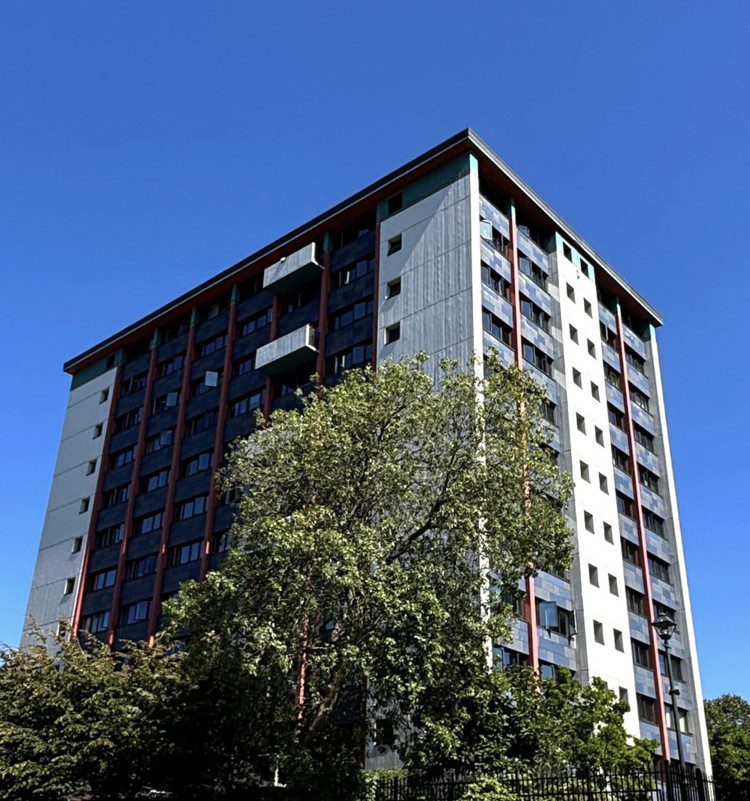
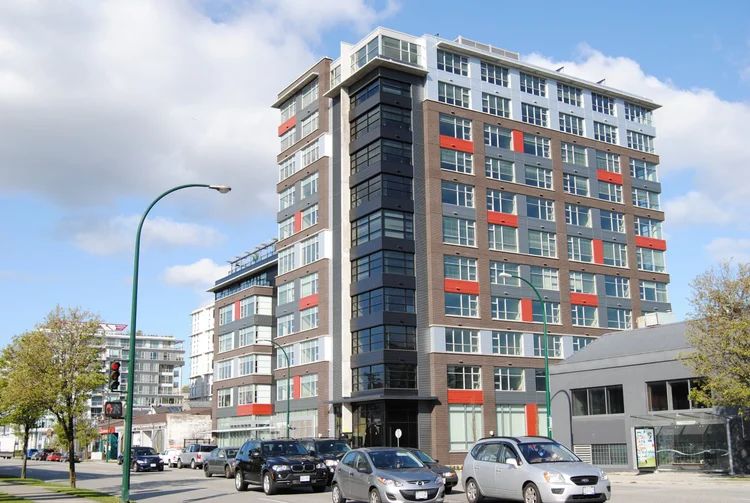
Ecovision installs solar-control window film for Yaletown condos, offices and storefronts that need less heat and glare without replacing otherwise serviceable glass. We assess the glass and window system first, then compare compatible films using manufacturer-published VLT, TSER and SHGC data. Actual comfort and energy results vary by glazing, orientation and building operation.
Nearby project shown: Maclean Park Residence, a real Ecovision project at 705 Jackson Ave in Vancouver.
We identify glass type, coating, pane construction, edge condition and existing damage before matching a film to the manufacturer's film-to-glass guidance.
We document when and where discomfort occurs so the recommendation addresses solar heat, glare, UV exposure, privacy or a combination of needs.
We compare visible light transmission and exterior reflectivity with samples viewed in the actual space. No film is assumed to be visually neutral.
Options are compared using manufacturer-published VLT, TSER and, where available, SHGC or shading-coefficient data for the relevant glazing.
For managed buildings, we confirm alteration approvals, exterior-appearance constraints, access, installation hours and occupant coordination before scheduling work.
The proposal identifies preparation, installation limits, cure expectations and the product-specific manufacturer warranty rather than promising one universal lifespan.
Solar-control film can reduce solar heat gain and glare while preserving a selected level of daylight, but performance is product- and glass-specific. VLT describes visible light transmission; TSER describes the share of total solar energy rejected by the film-and-glass system; SHGC describes the fraction of solar energy admitted through the assembly.
| Film | VLT | TSER | SHGC | Glare reduction | Best fit |
|---|---|---|---|---|---|
| Vista VS70 | 70% | 53% | 0.47 | 22% | Maximum daylight with meaningful solar control |
| Vista VS50 | 51% | 62% | 0.38 | 43% | Balanced heat control, glare reduction and daylight |
| Vista VS30 | 29% | 75% | 0.25 | 68% | Stronger heat and glare control with a medium tint |
| LLumar DR25 / DRN25 | 22% | 65% | 0.35 | 76% | High heat and glare control with a neutral interior appearance |
| LLumar R20 | 15% | 80% | 0.20 | 83% | Maximum heat and glare control where a reflective appearance is acceptable |
Source: Vista/LLumar manufacturer performance data, cross-checked against Ecovision’s Film Selection Catalogue in Drive. Values shown are manufacturer examples for clear single-pane reference glass, not guarantees for every window. Product availability, glass compatibility, warranties and current technical data are verified before a recommendation.
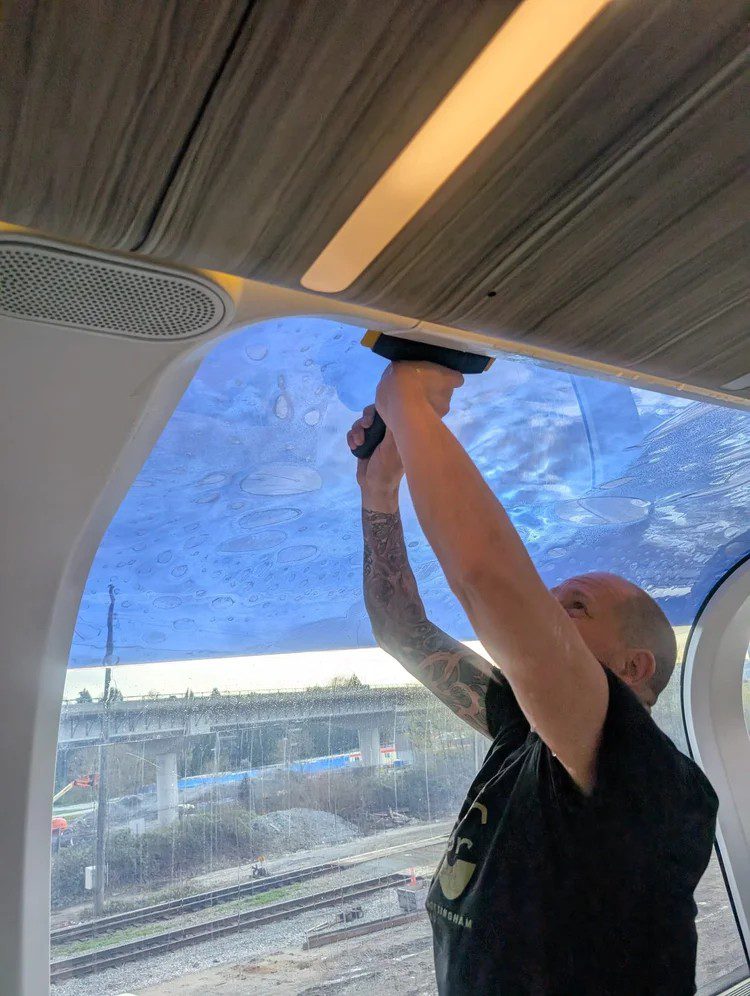
Large windows and limited cooling contributed to summer heat discomfort. Ecovision installed window film to reduce solar heat gain and improve occupant comfort. This is a nearby Vancouver project, not a claim that the work occurred in Yaletown. Read the Sanford case study.
A dual-reflective film was used to address heat, glare and privacy while preserving usable daylight across two residential buildings. Read the Maclean Park case study.
Transparent film was selected for large sky-dome windows to address solar heat and glare while keeping panoramic daylight. Read the Rocky Mountaineer case study.
The process starts with the problem, not a favourite product. We review the glazing, orientation, room use, existing shading, view priorities and building rules. Shortlisted films are compared using samples and relevant manufacturer data. The final scope identifies what the film is intended to change, what it will not solve, and any compatibility, access or appearance constraints that should be accepted before installation. For budget variables, see our BC window-film pricing guide.
Film selection must match the actual pane construction, coatings, seals and window condition. Some assemblies require different products or no film at all.
We compare VLT, TSER, SHGC or related manufacturer values and view samples in the space instead of relying on vague “maximum heat rejection” claims.
Condo, strata and commercial work may require alteration approval, access coordination and an exterior-appearance review before the installation date is confirmed.
It can reduce solar heat gain, but the result depends on the film, glass construction, orientation, exterior shading and the building’s ventilation or cooling system. We compare manufacturer data for the proposed film-and-glass combination and do not promise one percentage for every window.
Not necessarily. Films are available across a range of visible light transmission and reflectivity levels. Samples should be viewed on the actual glass in daytime and from the exterior before a product is approved.
Only when the specific film is compatible with the specific glazing system and its condition. We identify pane construction and coatings, check manufacturer film-to-glass guidance, and review seals or damage before recommending a product.
Glare reduction and view preservation are a trade-off. Lower-VLT films generally reduce more brightness, while clearer films preserve more daylight. The right balance depends on sun angle, room use, screens and the visible change the owner or strata will accept.
Often, yes. Window appearance and glazing may be common property or subject to alteration bylaws. Owners should confirm the approval process. We can provide product data, samples and an installation scope for review.
Glass area, film type, access, furniture movement, working-hour restrictions and glazing compatibility all affect scope and price. See our BC window-film pricing guide for the factors used in an estimate.
Thanks for signing up! Your download is just one click away.
Tap the button below to access your white paper and start exploring insights that matter.
Unlock expert insights with just one step. Enter your email below to receive the full white paper instantly.